The 2026 California avocado season began slowly due to pricing pressure from Mexico, but improved market conditions and tree readiness supported a steady start by mid-March. CAC now estimates the California crop at 330 million pounds, marking the third consecutive season above 300 million pounds, with current projections of 310 million pounds of Hass, 8 million pounds of Lamb Hass, 11 million pounds of GEM, and 1 million pounds of other varieties.
Market conditions have shifted abruptly in recent weeks. Mexico has sharply reduced harvest activity. Additional volatility is expected as demand builds toward World Cup and July 4th promotions.
As a result, California and Mexico remain the primary suppliers to the U.S. market this summer. California fruit continues to stand out for its quality, consistency, and reliability and remains the preferred option for retailers in many parts of the country. Please stay in close contact with your field representative to help ensure a timely harvest as market conditions continue to evolve.
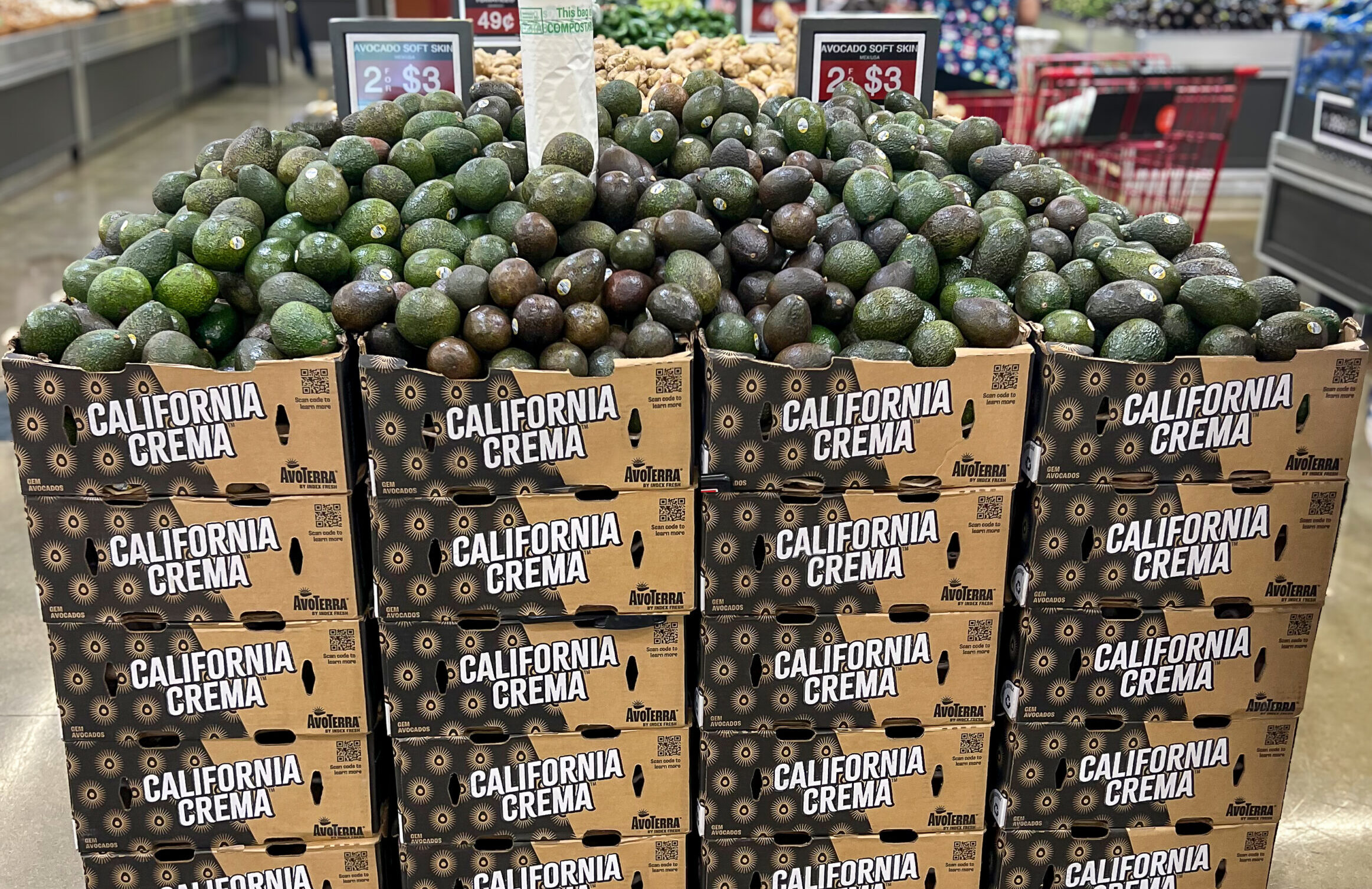
It’s another standout season for California Crema GEM Avocados, as Index Fresh builds on last year’s successful launch with expanded distribution, fresh in-store execution, and growing shopper awareness. From April through June, California Crema GEMs once again showcase a premium California-grown variety known for its golden-flecked, dark skin, rich nutty flavor, and high-density nutritional value.
California Crema was created to shine a spotlight on the GEM variety and the growers behind it, pairing limited-season availability with an elevated, story-driven brand. Now in its second year, the program is gaining traction with retailers who see the opportunity to differentiate their avocado set, feature a seasonal California item, and engage consumers who actively seek out local, sustainable choices.
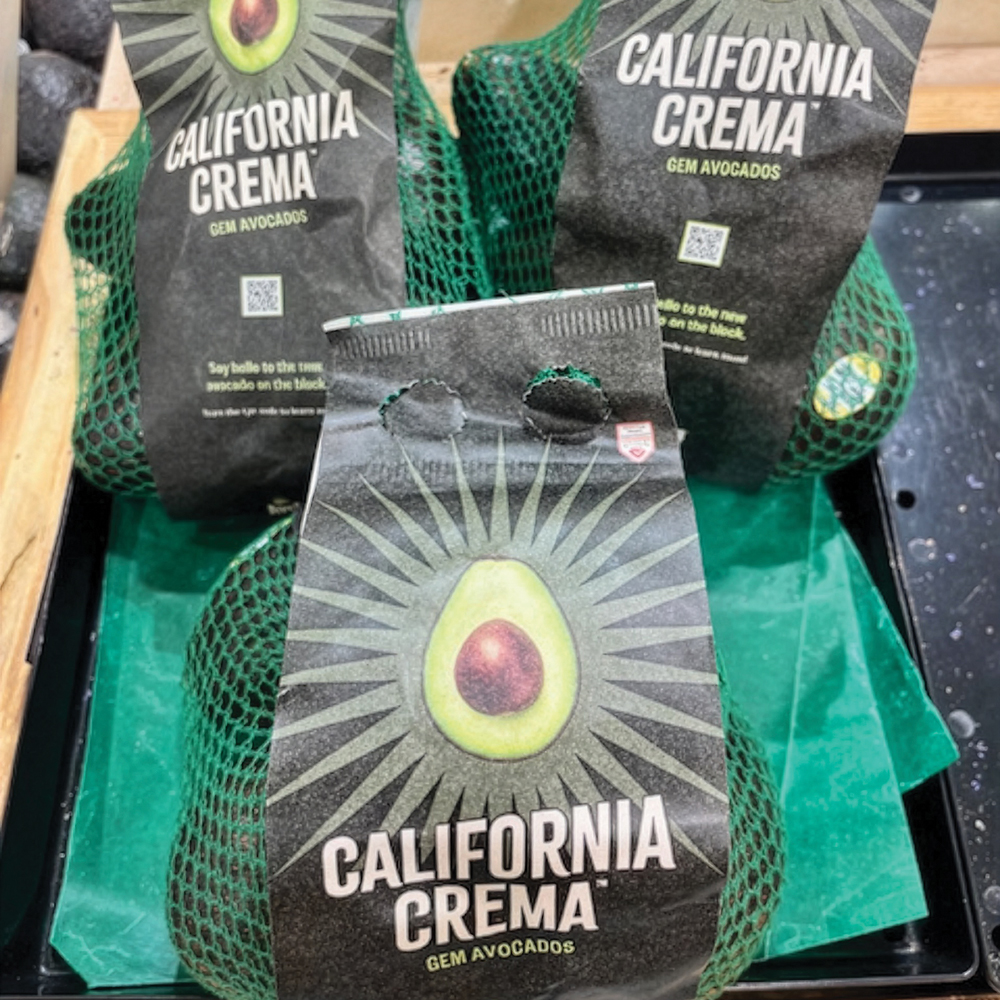
On the shelf, California Crema packaging continues to do a lot of heavy lifting.
The bright, radiant design pops in the produce aisle, while much of the product line uses home-compostable cellulose net bags, recyclable paper film, and certified home-compostable PLUs to keep the brand aligned with environmentally mindful practices.
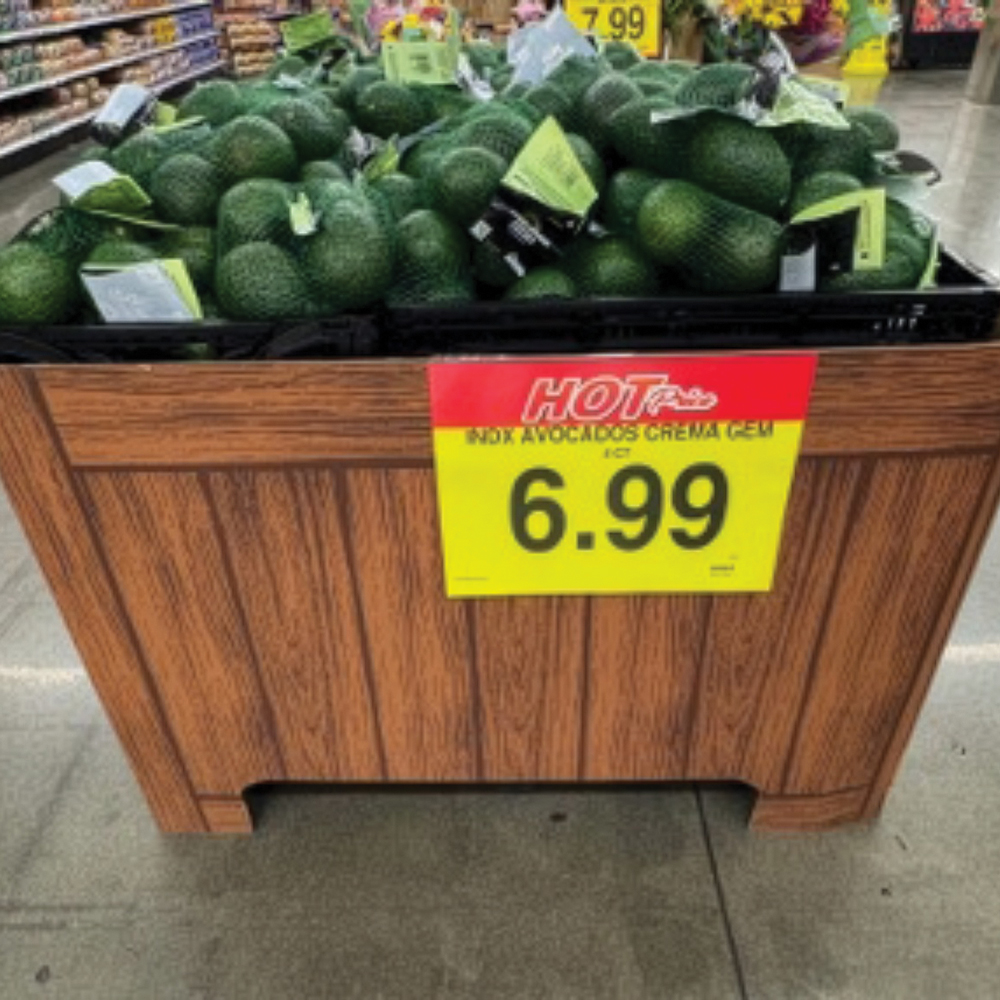
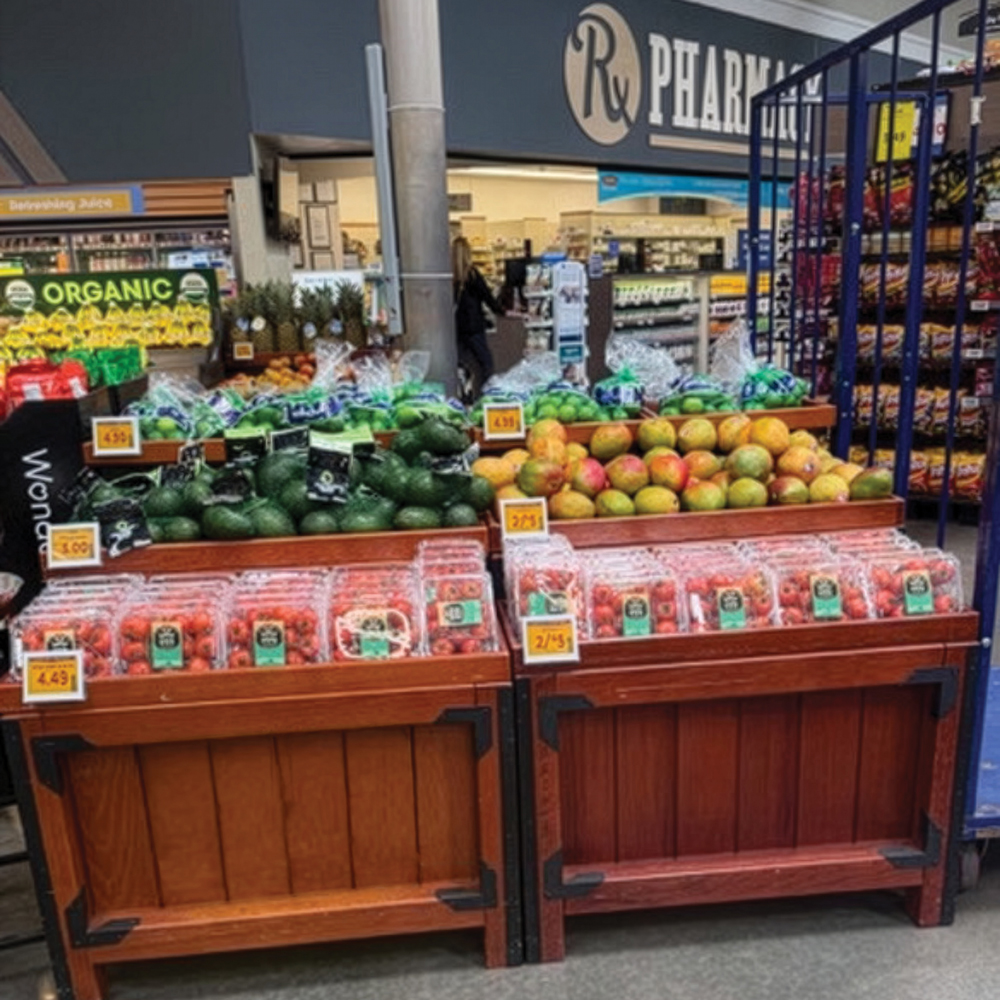
Retail partners are leaning into that story. Many are featuring California Crema GEMs in bagged and bulk sets, building displays, and using point-of-sale materials that highlight variety, flavor, and California origin. Index Fresh is supporting those efforts with promotional kits, a dedicated CaliforniaCremaAvocados.com website that offers recipes and ripeness tips, and seasonal pricing programs designed to help retailers move volume while maintaining a premium position for GEMs.
As you’ll see in the photos in this newsletter of California Crema GEMs showing up in more stores, more prominently, and with stronger storytelling than ever before. That momentum reflects the quality fruit you produce and the shared commitment to grow and pack GEMs in a way that meets the expectations of today’s retail buyers and consumers.
Thank you for your continued partnership in bringing California Crema GEM Avocados to market. We look forward to building on this season’s success and further elevating the GEM variety in the years ahead.
As spring arrives across California’s avocado groves, growers are navigating a critical season marked by earlier and more robust flowering and fruit set compared to last year. In March and April, our team at Index Fresh hosted regional Gather & Grow in-field meetings to address the most frequently asked questions about managing this promising crop. For those who couldn’t attend, we’re sharing the key insights and actionable recommendations below to help your orchard capitalize on this excellent early-season performance.
Understanding This Season’s Phenology
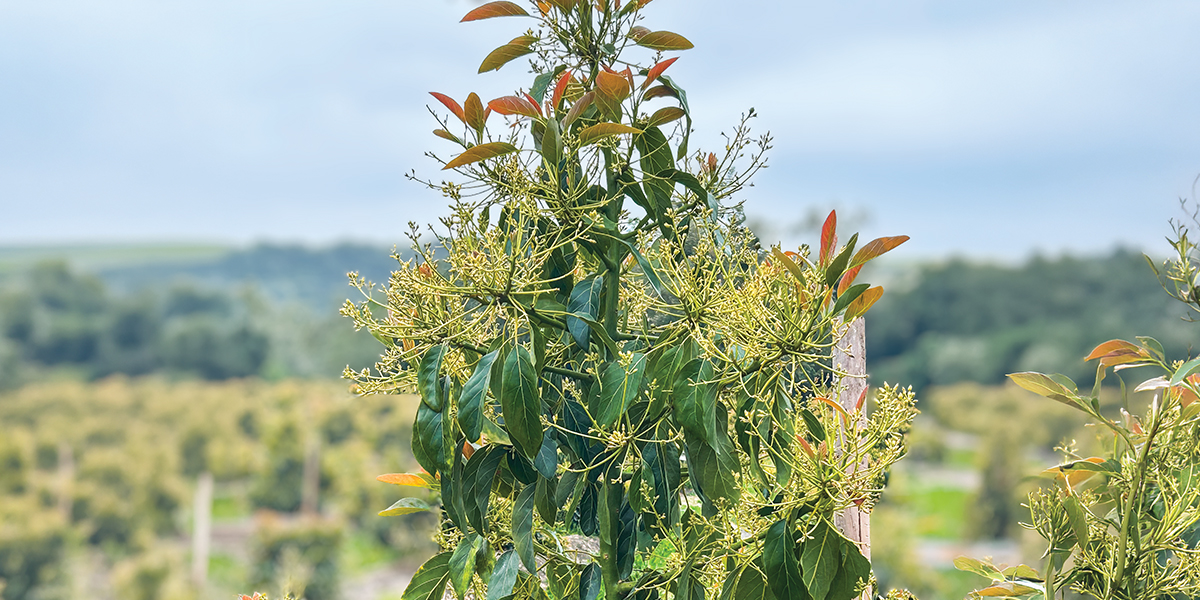
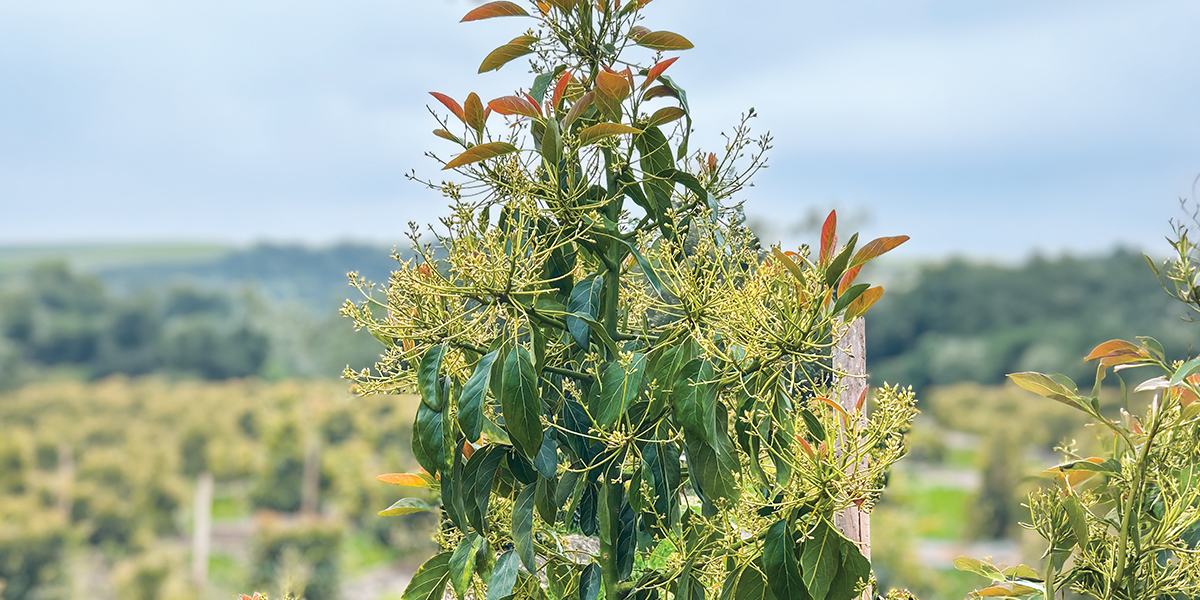
This spring has delivered notably good and early flowering and fruit set compared to 2025. Trees are in the midst of critical flowering, fruit set, and spring flush; all highly demanding phases that require strategic nutrient and water management. The decisions you make now will directly influence yield, fruit size, and tree vigor for the remainder of the season.
The Critical Role of Nitrogen in Fruit Set and Growth
Recent California research with Hass avocados has demonstrated that nitrogen fertilization timing during spring is one of the most important factors influencing annual yield:
Spring applications align with the tree’s peak demand during flowering and fruit set.
The increase in yield is largely attributable to increased mean fruit size rather than just fruit number.
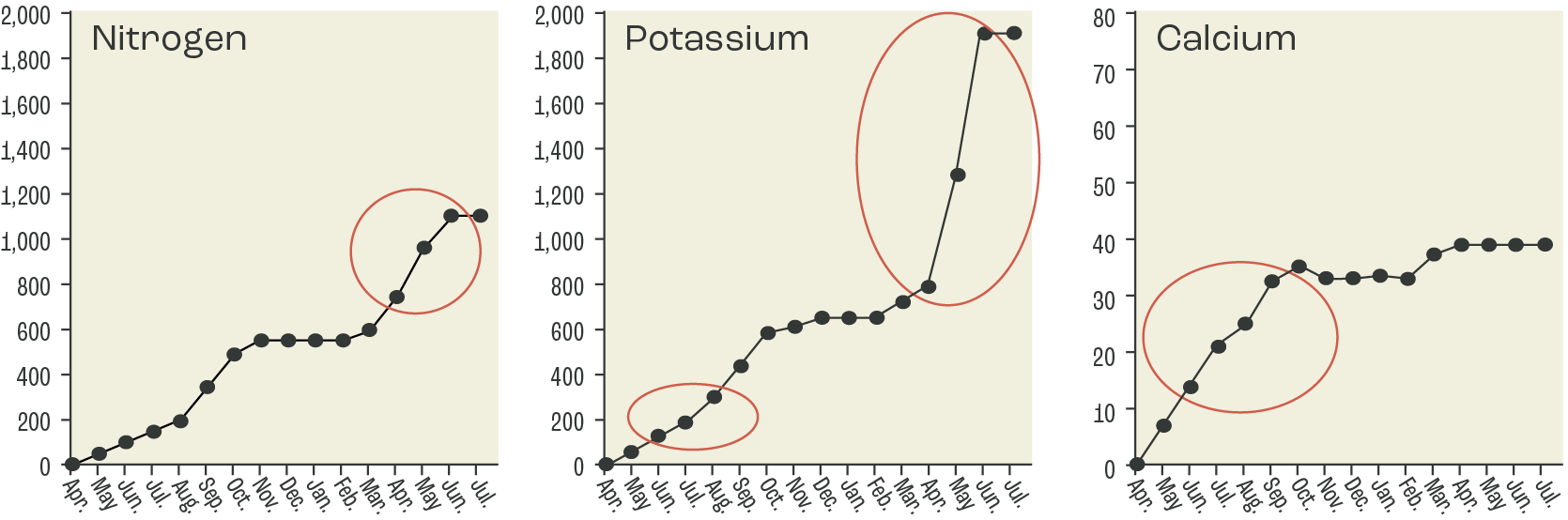
Fruit nitrogen accumulation begins in April and continues through October, with 500 mg N total uptake per fruit—300 mg during the first exponential growth period (July-October) and an additional 200 mg during the second exponential period the following spring as fruit matures (Rosecrance et al., 2012).
Spring Cultural Practices for Success
(Click to expand each section)
Spring is the time of highest nutrient demand as trees simultaneously support flowering, fruit set, and spring flush:
Increase fertilization with emphasis on nitrogen to feed the current crop while supporting vigorous flowering and fruit set.
Nitrogen applied now has a direct effect on avocado yield, research shows that cumulative yield over consecutive years increases significantly when additional nitrogen is applied at specific phenological stages, particularly at anthesis and fruit set (Lovatt, 2001).
Developing fruit accumulates nitrogen steadily from April through October, with 300 mg N per fruit taken up during the exponential fruit growth period from July to October (Rosecrance et al., 2012).
Spring applications capitalize on the tree’s high demand during flowering and fruit set, with benefits extending to increased mean fruit size (Godall et al., 1965).
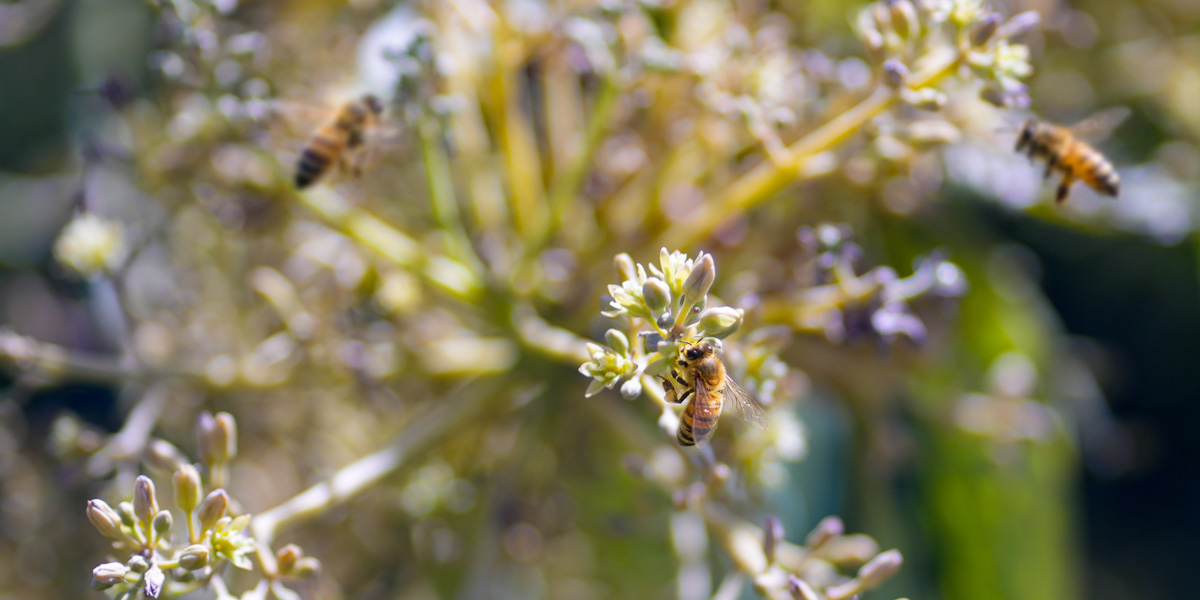
Based on bee activity monitoring data from across our growing regions, we’re recommending adjustments to pollination support:
Increase the number of beehives per acre to ensure adequate pollination during peak bloom.
Diversify bee locations throughout the ranch, with placement adjustments based on ranch size and topography.
Monitor bee activity regularly to confirm adequate coverage during critical flowering periods.
Spring conditions create favorable environments for several key pests and diseases:
Avocado Lace Bug and Thrips: Implement monitoring and control programs now to prevent population buildup.
Root Rot Spring Control: Apply fungicides and/or potassium phosphate as preventive measures during this vulnerable period.
Targeted Treatment: Use spot control with granular fungicide on individual trees showing symptoms rather than blanket applications.
As temperatures rise and trees enter exponential fruit growth, water management becomes critical:
Increase irrigation hours to meet rising tree demands.
Primarily focus on increasing irrigation frequency rather than duration to maintain consistent soil moisture.
Make adjustments based on specific ranch conditions including weather (ETo), soil type, root depth, and tree size.
Adequate spring irrigation reduces fruit drop and supports optimal fruit set.
This season presents an opportunity to combine pruning with harvesting for maximum benefit:
“Picking and Pruning”: Harvest entire branches (removing all fruit) to accomplish later pruning goals while collecting marketable fruit. This technique achieves early pruning benefits while maximizing harvest efficiency.
Focus on pruning branches with flowers but no leaves, as well as new shoots that won’t contribute to current production. This approach improves light penetration, reduces future harvest difficulty, and maintains productive canopy balance.
We encourage you to work with your Field Representative to tailor these practices to your specific orchard conditions. With the promising early flowering and fruit set we’re seeing this season, proper spring management will be key to converting this potential into a strong harvest.
Index Fresh remains available for consultation and in-grove guidance. Reach out if you would like personalized recommendations for your operation.
Happy New Year! Index Fresh is poised for continued growth this upcoming California season, and we are excited to grow alongside you. As a California grower‑owned company that places a high value on California fruit, we have built a strong, dedicated base of growers while welcoming new partners into our program each year. Our network is reinforced by a seasoned field team and an experienced agronomist who work hand in hand with growers to enhance productivity and provide food safety support to meet the requirements of multiple audit schemes. We do this enthusiastically with one clear goal: to help California avocado growers be as successful as possible.
The California Avocado Commission recently published its 2026 crop estimates, with the total crop projected at 330M lbs., roughly the same volume as the 2025 season. Within that, 2026 Hass volume is estimated at 310M lbs. (~1% increase), while the GEM crop is expected to reach an impressive 11M lbs. (~40% increase). Lamb Hass volume estimates are in line with 2025 at 11M lbs. for the season. AMRIC reports also show the 2025 season bleeding into 2026, which will likely create some discrepancies between actual volume and estimates as different reporting groups apply varying season start and end dates.
We are expecting Mexico to deliver over 85M lbs. of volume for the upcoming Big Game weeks. So far, Q1 has been a welcome change from the softer demand seen in late 2025. The year opened with strong demand across the U.S., with particularly impressive movement on sizes 48s and smaller.
Recent ample rainfall in California is setting the stage for good size development on the California crop, and our Field Team is seeing clean fruit across the regions. That said, they have noted the appearance of lace bug in some northern groves in January. Please review the articles linked below for guidance on how to effectively managing this pest.
GEMs are poised for a particularly strong year, and our California Crema GEM campaign continues to build momentum. Retail buyers are scheduling meetings even earlier this season to secure GEM programs for spring. This early demand is both encouraging and well‑timed, as the crop could reach upwards of 14M lbs., exceeding the initial CAC 2026 estimate.
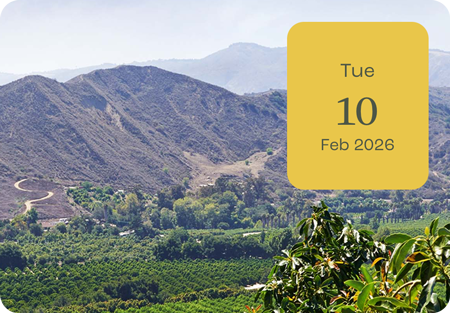
Index Fresh will be hosting in‑person Season Kickoff Meetings in February, with our South Region meeting scheduled in Temecula on Tuesday, February 10, followed by a Ventura meeting on Thursday, February 12. Please RSVP and see the detailed event information in the links below.
Harvest is expected to begin in mid‑February, typically around the 15th, with precise timing ultimately driven by market conditions. It is not too early to reach out to your Field Representative or our Agronomist, Gerardo Aldunate, to begin planning for the season. The Index Fresh team looks forward to partnering with you to make 2026 one of California’s strongest seasons yet.
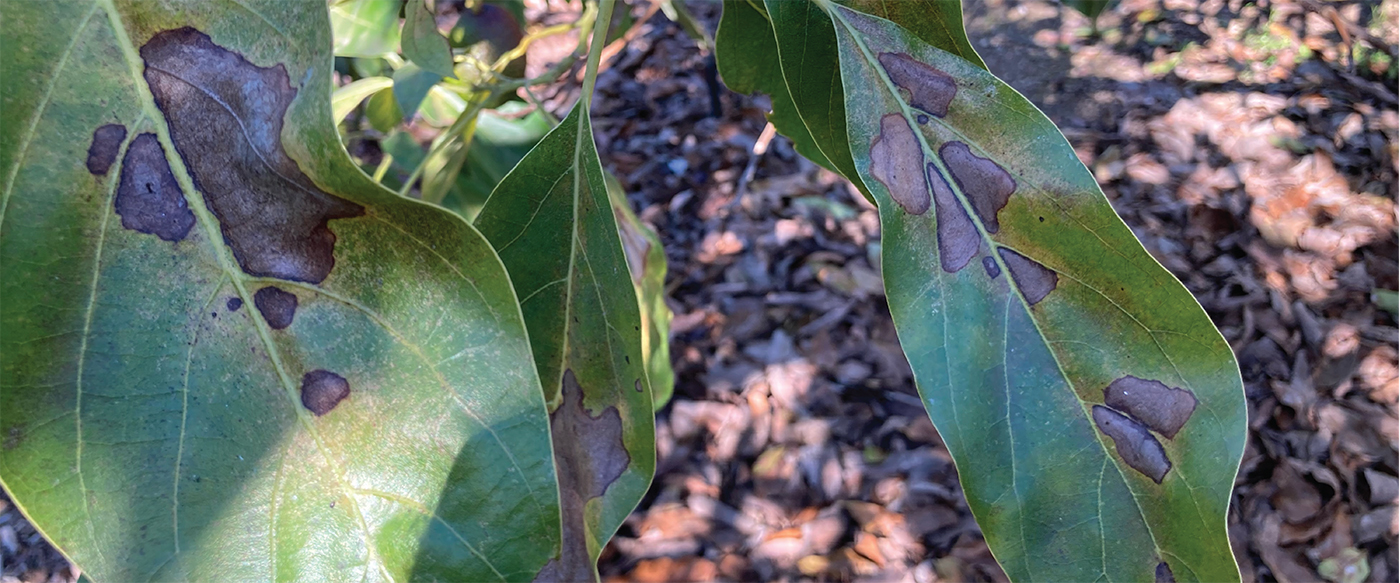
Recently we’ve spotted the Lace bug pest in groves in Carpinteria and northward.
Native to the southeastern United States, the avocado lace bug is a notable pest that causes damage to avocado trees. Lace bugs can cling onto clothing, so it is important to brush off or use compressed air to blow off your pant leg, jackets sleeves, or other articles of clothing prior to exiting groves that contain lace bugs. Small micro-actions like these can help mitigate the spread of lace bugs.
Here are some essential facts about this pest:
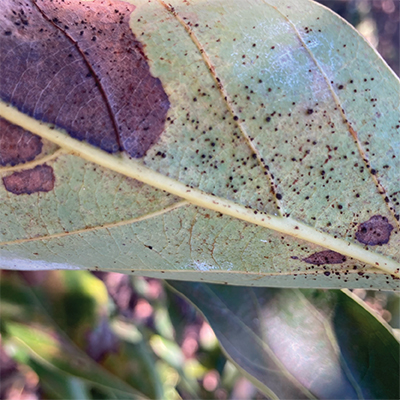
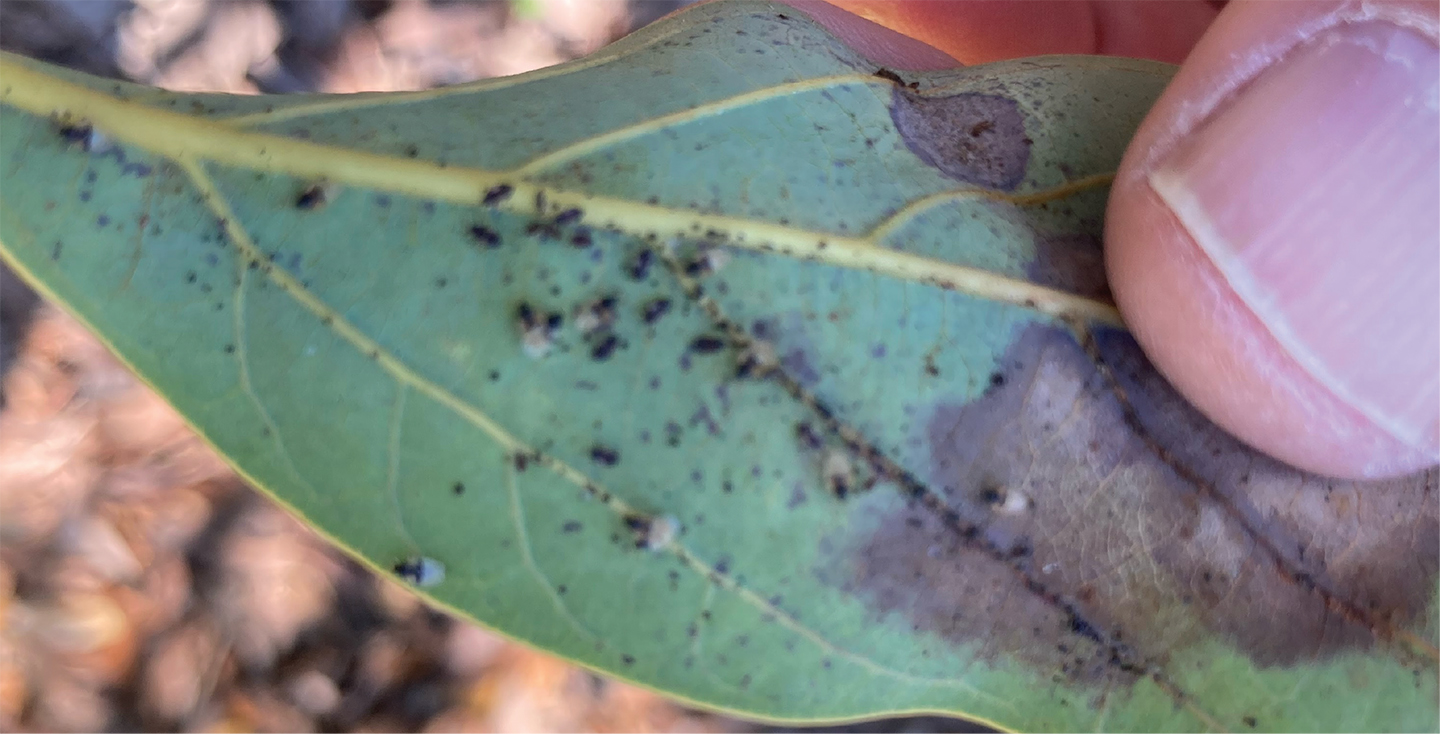
Appearance: Eggs are laid in an irregular pattern, sometimes in loose rows, stuck to the lower leaf surface and are covered with irregular globules of a black, sticky, tar-like substance excreted by adults that may protect eggs from natural enemies. Eggs will appear like grains of black pepper. Adult avocado lace bugs are small, have clear, lacy wings (about 2mm long) with a single dark band on their bodies, yellow legs, and antennae. They are visible to the naked eye.
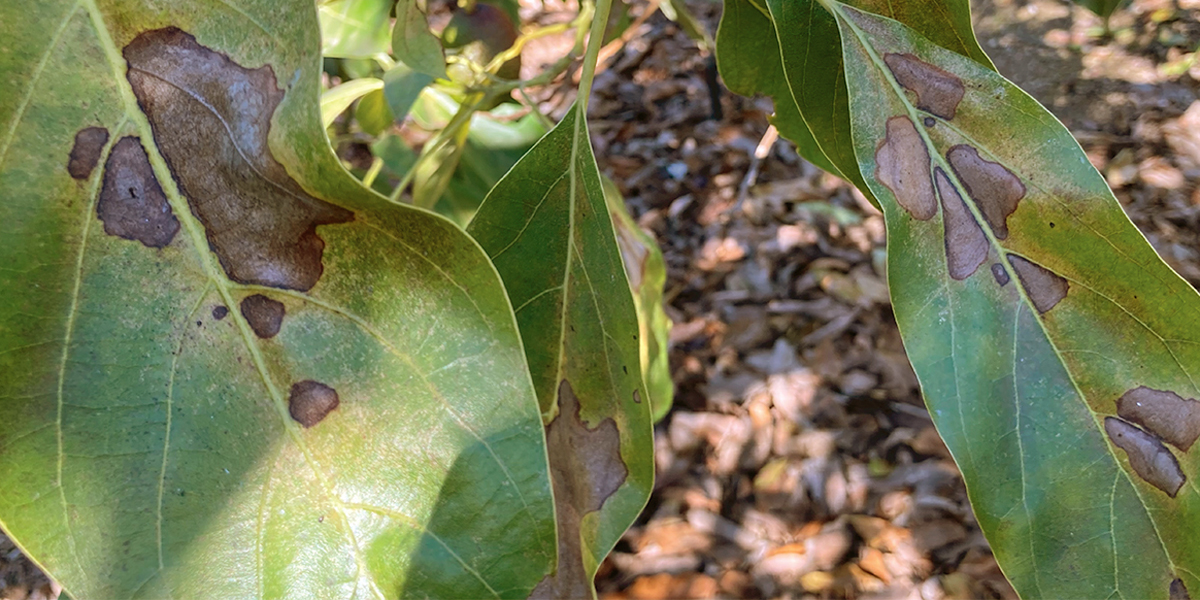
Life Cycle: Lace bugs are immobile most of the time. They feed on the underside of leaves, causing chlorotic blotches that can become necrotic. Severely damaged leaves may drop prematurely.
Damage: Heavy lace bug feeding can lead to defoliation, sunburned fruit and wood, and stressed trees, potentially reducing yield.
Location: Lace bugs have been spotted in groves spanning from San Diego to Carpinteria in northern regions. The lace bugs live in colonies on the lower surfaces of leaves, often with adults, eggs and nymphs together.
Other Hosts: Besides avocado trees, the lace bug also feeds on the camphor tree (Cinnamomum camphora).
Timing: Lace bug populations tend to build in July, peak around September, and decline to low densities from January through May. Because they are largely immobile, they tend to disappear as older leaves drop off and the new leaves emerge during the spring flush.
Management: Management strategies may include restrictions on the movement of host plant materials, insecticide screening trials, and evaluation of natural enemy releases.
Natural Enemies: Green lacewing larvae were historically identified as natural enemies of avocado lace bug. However, recently Erico Ferro, PCA, notes he has not observed natural enemies feeding on any of the different stages of lace bug (egg, nymphs or adults) including lacewing larvae. Predators may feed on them but should not be relied on to control a population.
Pesticides: There are several pesticides that can kill lace bugs and are tolerated by green lacewing larvae.
Control: UC recommends various products to help control lace bugs. To learn more about how to control the pest, email info@indexfresh.com for UC’s management guidance and evidence-based recommendations from PCA Enrico Ferro.
With more than 25 years of experience, agronomist Gerardo Aldunate partners with Index Fresh growers to advance best practices and deliver efficient, high-quality production. We sat down with Gerardo to get his expert insights on proactive planning for the cold season and how to approach fertilizer decisions, frost protection, and irrigation maintenance.
Question: What information do growers need to prepare for next year’s fertilizer inputs? Answer: Recordkeeping is key to building an effective fertilizer plan. Historical records like leaf and soil analyses, irrigation data, and yield performance help guide decisions for the upcoming season.
Review your 2025 fertilizer program, leaf analyses, yields, and size curves.
Identify underperforming blocks and high-performing areas. Use these insights to adjust management practices.
Inspect tree health by observing leaf color (dark green to yellow), leaf size (large to small), and any salt burn. These observations, combined with cultural records, can help fine-tune nutrient and root health programs.
Q: Some growers are worried about frost damage. How can they prepare for winter frosts? A: A few key steps can significantly reduce frost risk:
Inspect and service wind machines for frost protection.
Enhance natural air movement by pruning or trimming where necessary.
Q: We’ve heard concerns about excess water and root rot. What should growers do? A: Avocados are highly sensitive to saturated soils, just 24 – 48 hours of flooding can cause severe root damage from oxygen deprivation. After heavy rain, inspect your ranch for poor drainage areas and take prompt action:
Improve drainage where possible by digging channels to move water away quickly. Remember that Phytophthora root rot thrives in cool, wet conditions. Prolonged cloudy weather reduces photosynthesis, weakening trees and increasing susceptibility.
Depending on tree conditions, consider early spring treatments with phosphorous acid and/or fungicides.
Q: What should growers do for irrigation system maintenance? A: If they work with a grove management company, confirm their winter irrigation maintenance and upgrade plans. For self-managed systems, follow these steps for effective upkeep:
Check pressure: Ensure uniform system pressure; repair leaks or broken sprinklers.
Clean filters: Remove clogs from organic matter or mineral buildup. Replace filters if needed.
Clean emitters and flush lines: Clear blockages and sediment build up from drip lines, following UCANR recommendations.
Check controllers: Verify system functionality and adjust irrigation schedules as necessary.
Sources: Newett, 2021; California Avocado Commission, UCANR
About Gerardo Aldunate Gerardo Aldunate is a leading agronomist with experience working with avocado producers worldwide. Aldunate advises Index Fresh’s avocado partners and participates across the California avocado industry, providing education in conjunction with the California Avocado Society and California Avocado Commission.
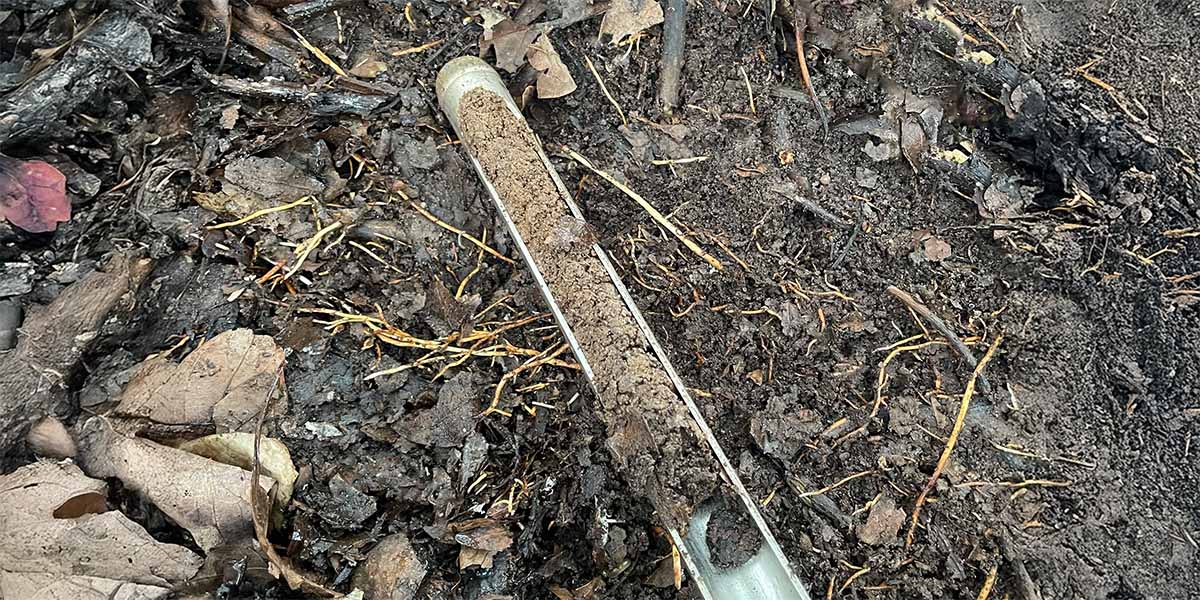
Leaf and soil analysis is a useful tool for developing a strategy for fertilizing your avocado orchard and identifying potential problems. Fall is widely accepted as the best time of year to collect soil and leaf samples for nutrient testing. Collecting both the soil and leaf samples at the same time not only provides ease but has the added benefit of ensuring soil samples are taken at the same time each year. Over time, this annual practice builds a soil fertility history which shows long-term trends.
For leaf analysis, collect the youngest fully expanded leaves (5-7 months old) from non-fruiting branches. For soil analysis, sample before planting and then every couple of years or when problems arise, keeping samples in paper bags to prevent contamination.
When to collect
For this year’s extended season, California growers should collect leaves before the end of November.
What to collect
The youngest, fully expanded leaves from the spring flush (5–7 months old).
Where to collect
Sample from non-fruiting, non-flushing branches from different quadrants of the tree.
How to collect
• Select 40 leaves per sample from randomly chosen trees within the block. • Use a separate sample for a poorly performing block or one with a different soil type. • Place leaves in a paper bag (not plastic) to prevent moisture buildup and damage. • Store the bag in the refrigerator overnight if it cannot be taken to the lab immediately. • Submit samples to the lab as soon as possible after collection.
Pro-Tip: Standardizing leaf age and season for leaf analysis samples is recommended due to the diverse stages avocado trees experience throughout the year.
When to collect
Before planting a new grove and at least every couple of years afterward.
Why to collect
It provides valuable information about fertility and toxicity levels that can be used alongside leaf analysis results.
How to collect
• Sample for a specific area or problem spot. • Place samples in a paper bag to prevent contamination. • Submit the sample to the lab for analysis.
Tips for Both Analyses
Use for fertilization: Contact your Index Fresh’s Agronomist, Gerardo Aldunate, to help explain the lab results and guide your fertilization decisions for the upcoming season.
Identify problems: Analyses can help identify nutrient deficiencies or toxicities, such as excessive boron. Keep in mind that nutrient deficiency symptoms frequently are not due to inadequate nutrient levels in the soil. Routine application of nutrients simply because the foliage exhibits deficiency symptoms may make things worse by delaying you from finding the true cause of the unhealthy trees. You can increase the trees’ ability to absorb minerals by improving soil conditions and promoting root health.
Consider other factors: The lab report is a guide, but you should also consider other factors like the growing season, potential for higher or lower yields, or recent weather events when developing a fertility program.
Did you know?
If you are unsure about how to collect leaf and soil samples, Gerardo can help you with this step, as well as interpreting the results once back from the lab. Contact Gerardo at galdunate@indexfresh.com today to learn more about how to take advantage of these valuable tools before time runs out to test in 2025.
I am pleased to share that California has enjoyed a strong season so far, with prices remaining notably high for much of the year. While we experienced some price moderation in late July following the summer peak, this season—like last year—has been both prosperous and overwhelmingly positive. The steady demand and robust pricing continue to reflect the exceptional quality and premium reputation that California avocados command in the market.
The California crop estimate was revised from 375M to 340M lbs. in May, and the current trajectory looks to be on track to meet that mark. By late July, we’re nearly 80% through the season, with over 260M lbs. harvested. The South region saw exceptional gains, with harvest up 60% compared to last year.
We wrapped up the GEM season in early July, and it was a clear success. Fruit movement was steady, demand consistent, and Index Fresh closed with a record-high 51% GEM market share. Grower returns per bin were strong, overall quality looked good, and the California Crema GEM brand launch received enthusiastic retail response across the country.
Weather has been largely stable, with no major spikes impacting the crop. I’d like to thank our agronomist, Gerardo Aldunate, for working closely with many of you to improve yields and implement new techniques. Gerardo and our Field Reps led an engaging series of Gather & Grow In-Field events in June and July, with more regional events planned this fall, including pruning and girdling demos.
Looking ahead, I’m excited about new acreage coming for 2026 and the strong prospects for next year’s Hass and GEM crops. Your partnership and commitment to California avocado excellence continue to inspire us. Thank you for your trust and the privilege of working alongside you.
As the summer season arrives across California’s avocado groves, it’s the perfect time to revisit best practices for tree health and fruit quality. In June and July, our team at Index Fresh hosted regional Gather & Grow in-field meetings to discuss pressing seasonal topics with growers. For those who couldn’t attend, we’re sharing the highlights and actionable tips below so your orchard can thrive through the critical months of July to September.
Understanding Phenology: Setting the Stage
Avocado trees are finishing the demanding flowering and fruit set phases. These have required significant tree energy. Now, exponential fruit growth begins, coinciding with key periods for shoot and root development. Your summer decisions will have a lasting impact on fruit size, yield, and tree vigor throughout the season.
Summer Cultural Practices for Success
Fertilizer Plan
The next 12 weeks mark rapid fruit growth—a stage of high demand for nutrients, especially nitrogen, potassium, and zinc.
Adjust your fertilizer applications to match both crop load and shoot growth. A targeted plan now supports both developing fruit and new canopy.
Irrigation Management
Well-timed, adequate irrigation is essential during early fruit development. Good water management reduces fruit drop and maximizes fruit set.
As temperatures rise, shorten intervals between irrigations to minimize stress and optimize fruit size. Monitor your soil moisture and tree needs closely.
Pruning Practices
Goals: Improve light penetration, make harvesting safer and easier, streamline spray coverage, and ultimately maximize yield and fruit quality.
How-To:
Cut back the tallest branches to lower tree height.
Remove branches growing into adjacent trees or work alleys.
Eliminate poorly placed, crossing, or weak shoots.
Remove dead wood for canopy health.
Maintain a healthy balance between fruit- and leaf-producing shoots.
Protect newly exposed branches from sunburn with a water-thinned white paint.
Disinfect pruning tools between each tree to prevent disease transmission.
Mulching for Roots and Soil Health
Mulch renewal is timely now. A fresh layer:
Promotes fine root growth.
Suppresses Phytophthora root rot.
Improves vigor by keeping soils cooler and more moist, with better nutrient and water retention.
Heat Management Strategies
With peak summer heat possible, water is your first line of defense.
Apply up to 50% more than your typical irrigation volume the day before an anticipated heatwave.
Use shorter, more frequent irrigations during heat events to reduce crop stress and prevent fruit drop.
We encourage you to review these practices with your Field Representative and adapt them to your unique conditions. As always, Index Fresh remains available for consultation or in-grove advice—reach out if you would like personalized recommendations.
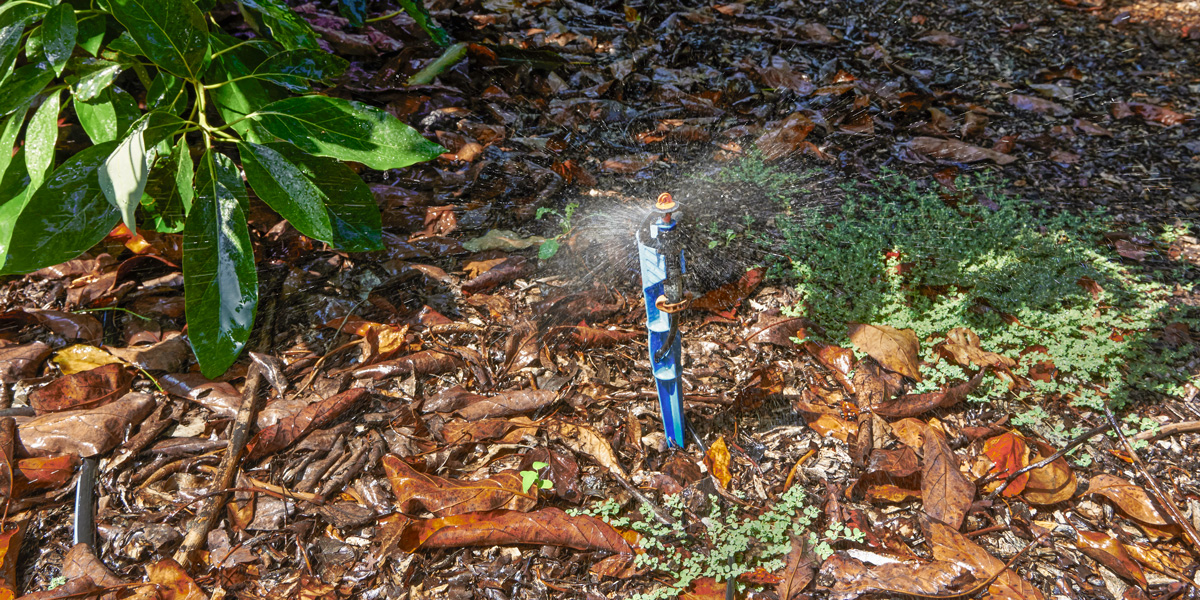
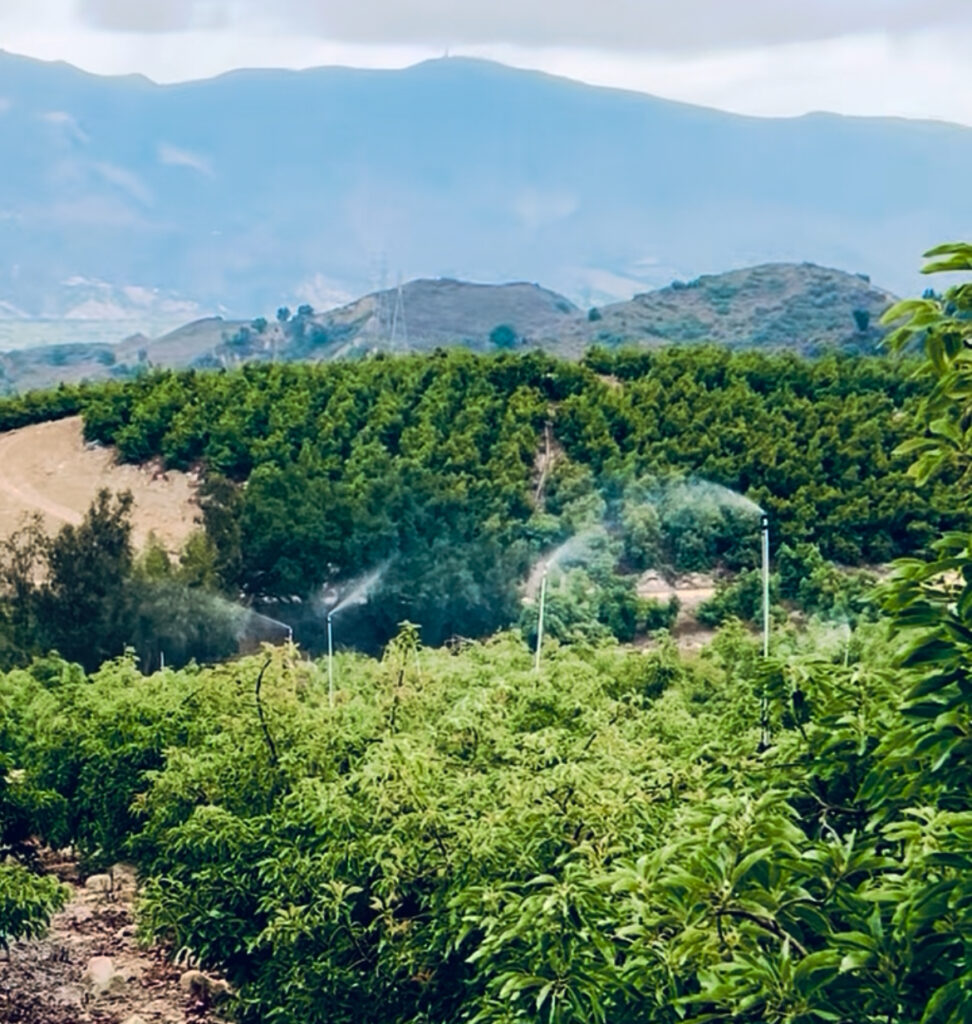
Overhead sprinkler systems are proving to be a powerful tool for protecting avocado orchards from extreme heat. Research has shown that using these systems can drop the air temperature around avocado trees by 7–12°F, providing a critical buffer against heat waves that can cause stressed trees to shut down and crops to suffer severe damage (Miller et al., 1963; Lomas and Mandel, 1973). More recently, a 2022 study published in Nature documented how Israeli researchers saw up to a 100% increase in avocado yields when using canopy-cooling systems during heat spikes. In trials across three Israeli orchards—where temperatures soared to 113°F—overhead irrigation reduced air temperature by 18–21°F and boosted relative humidity by 16–18%. While the concept isn’t new or particularly high tech, the adoption of overhead sprinklers in avocado farming is on the rise as growers seek practical strategies to mitigate the growing challenge of extreme heat.
Evapotranspiration is the key process at work. As plants transpire, they release water vapor through their leaves, cooling the surrounding air—a natural effect similar to condensation on a cold glass. Overhead sprinklers amplify this cooling by adding moisture directly to the orchard environment, resulting in even greater temperature reductions and increased relative humidity.
At Brokaw Ranch Company in Santa Paula, nearly 50 acres are equipped with overhead sprinklers—an investment in preparation for the inevitable 100-degree days of August and September. Ranch Manager Nathan Lurie reports that the system is effective, and the ranch now considers overhead sprinklers standard practice with all new plantings.
Hot temps trigger avocado trees to close their pores
When temperatures rise above 88°F, avocado trees will start to enter the danger zone. Their stomates—leaf pores crucial for gas exchange—close to conserve water under intense heat and low humidity. This defense mechanism, however, restricts both water uptake and respiration, stunting photosynthesis. If these high temperatures persist, trees can experience fruit drop, reduced yields and size, and, in extreme cases, fatal stress. Because avocados are tropical trees with shallow root systems, they are especially sensitive to heat events, which are becoming increasingly common in California’s avocado regions.
According to Lurie, advances in weather forecasting allow growers to anticipate and prepare for heat waves with precision. One of the best preventive measures is to increase ground irrigation in the days ahead of a forecasted heat spike. During a heat event, orchards equipped with overhead sprinklers, like Brokaw’s, activate the system hours before temperatures reach their peak. Water supply and pressure limitations mean not all orchard sections can be irrigated simultaneously, so the sprinklers are cycled in advance to rotate through each section.
The overhead sprinkler system, 16 sprinklers per acre, disperses large droplets for about 15 to 20 minutes in each area—just enough to ensure the canopy is evenly moistened. Lurie explains that this system strikes an optimal balance: it maximizes canopy coverage while still conserving water.
The overhead sprinklers complement increased ground irrigation. By cooling the canopy, the sprinklers help keep the stomates open, allowing trees to continue metabolizing and making use of the extra irrigation, instead of shutting down under heat stress.
Overhead sprinklers are especially vital for newly planted trees in heat-prone areas, giving them a greater chance to survive their critical establishment years. For mature trees, the system helps prevent crop losses and canopy/limb damage from severe sun burn.
“Overhead sprinklers help prevent loss from heat damage to the current crop and often next year’s crop. In extreme heat, you could be looking at limb damage and reduction of crop even two to three years out,” notes Lurie.
While growers in other crops have used overhead sprinklers for decades to mitigate heat and frost, avocado growers are only now widely adopting this technology. Much of the foundational research comes from Israel, where heat challenges mirror those California now faces—especially in the southern regions and inland Ventura County.
For growers considering this enhancement, Index Fresh Field Representatives can assist in evaluating and implementing overhead sprinkler systems, offering guidance where the return on investment may be substantial—particularly if the alternative could mean significant crop or tree loss.
Almost Done! Tell Us a Bit More.
We'd love to tailor our updates to fit your needs. Let us know who you are, and we'll make sure you get the most relevant content.