


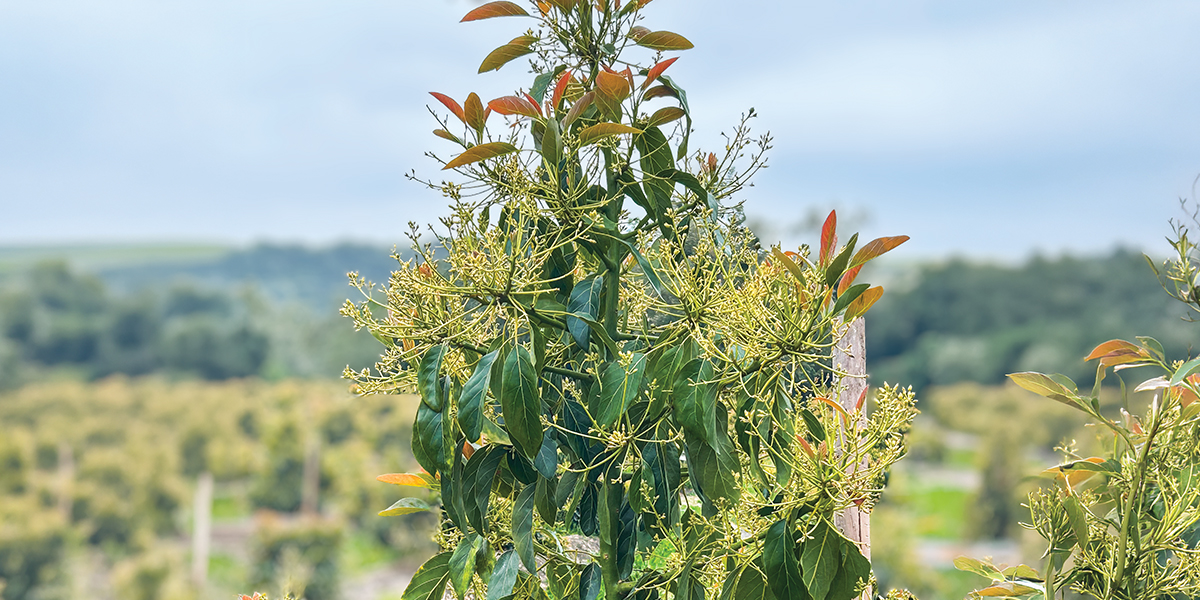
As spring arrives across California’s avocado groves, growers are navigating a critical season marked by earlier and more robust flowering and fruit set compared to last year. In March and April, our team at Index Fresh hosted regional Gather & Grow in-field meetings to address the most frequently asked questions about managing this promising crop. For those who couldn’t attend, we’re sharing the key insights and actionable recommendations below to help your orchard capitalize on this excellent early-season performance.
Understanding This Season’s Phenology
This spring has delivered notably good and early flowering and fruit set compared to 2025. Trees are in the midst of critical flowering, fruit set, and spring flush; all highly demanding phases that require strategic nutrient and water management. The decisions you make now will directly influence yield, fruit size, and tree vigor for the remainder of the season.
The Critical Role of Nitrogen in Fruit Set and Growth
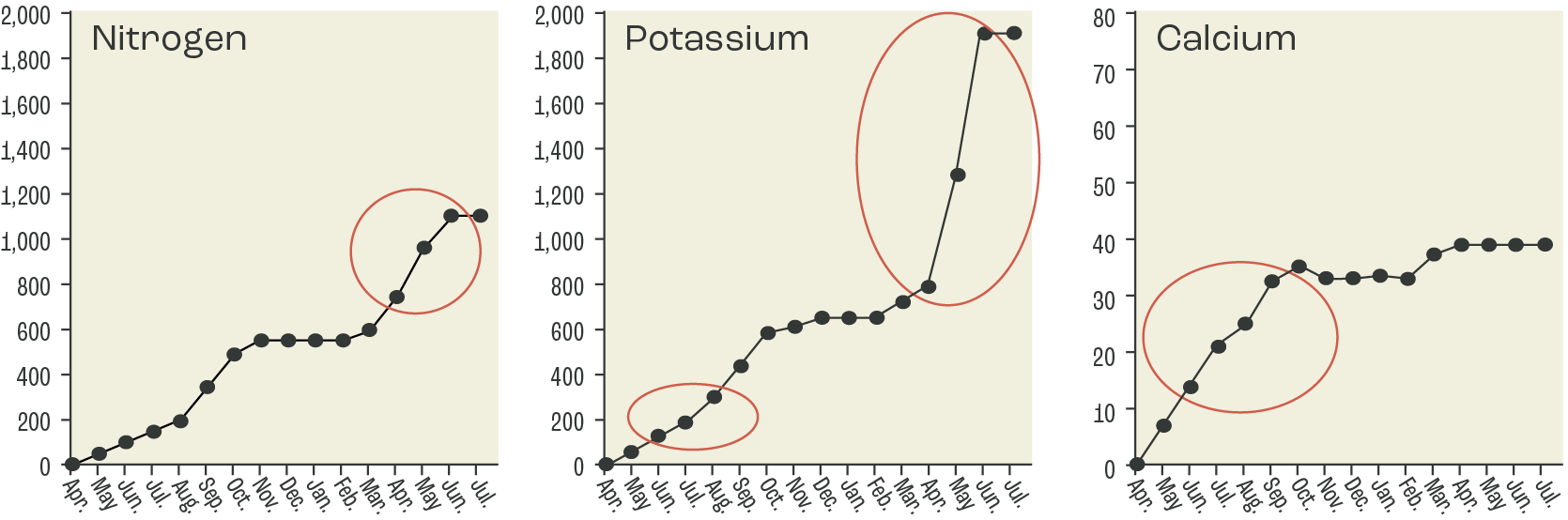
Recent California research with Hass avocados has demonstrated that nitrogen fertilization timing during spring is one of the most important factors influencing annual yield:
- Spring applications align with the tree’s peak demand during flowering and fruit set.
- The increase in yield is largely attributable to increased mean fruit size rather than just fruit number.
- Fruit nitrogen accumulation begins in April and continues through October, with 500 mg N total uptake per fruit—300 mg during the first exponential growth period (July-October) and an additional 200 mg during the second exponential period the following spring as fruit matures (Rosecrance et al., 2012).
Spring Cultural Practices for Success
(Click to expand each section)
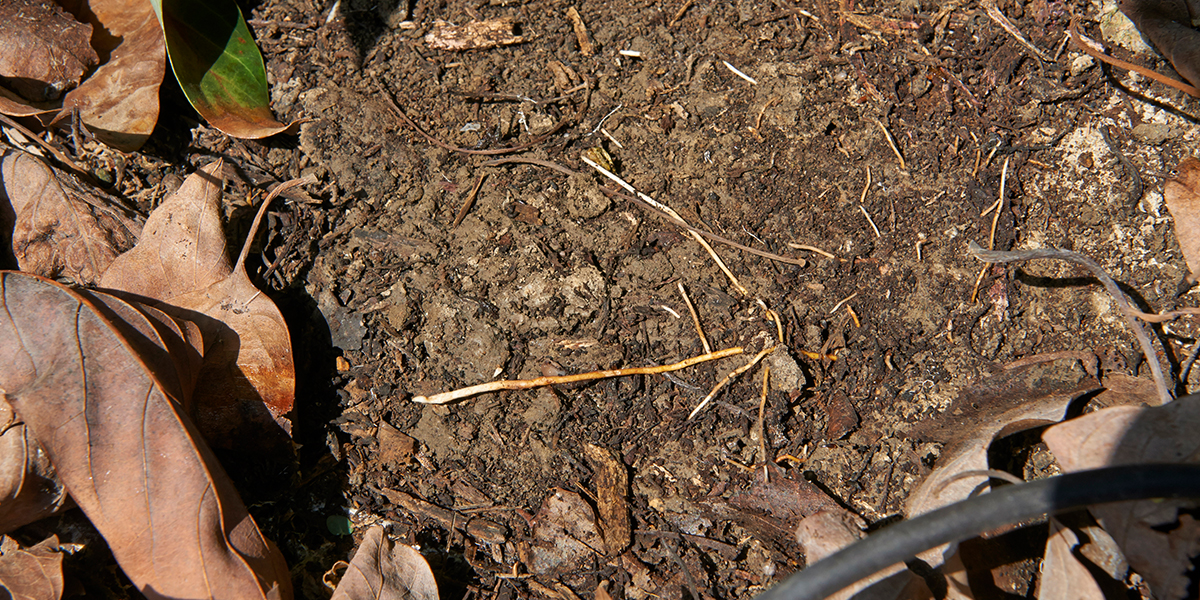
Spring is the time of highest nutrient demand as trees simultaneously support flowering, fruit set, and spring flush:
- Increase fertilization with emphasis on nitrogen to feed the current crop while supporting vigorous flowering and fruit set.
- Nitrogen applied now has a direct effect on avocado yield, research shows that cumulative yield over consecutive years increases significantly when additional nitrogen is applied at specific phenological stages, particularly at anthesis and fruit set (Lovatt, 2001).
- Developing fruit accumulates nitrogen steadily from April through October, with 300 mg N per fruit taken up during the exponential fruit growth period from July to October (Rosecrance et al., 2012).
- Spring applications capitalize on the tree’s high demand during flowering and fruit set, with benefits extending to increased mean fruit size (Godall et al., 1965).
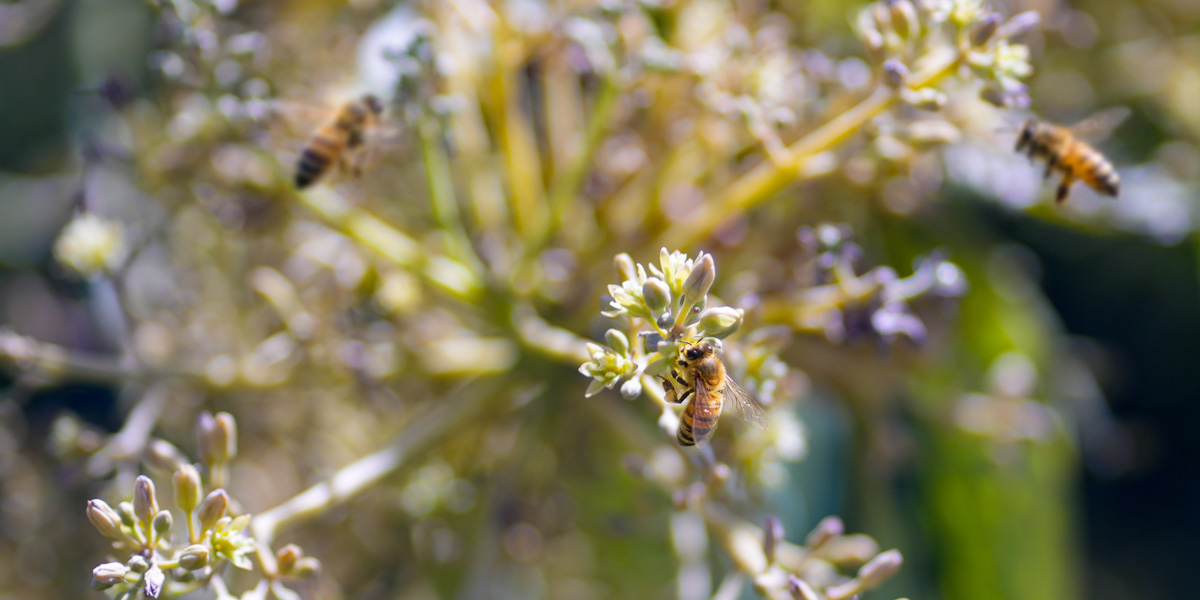
Based on bee activity monitoring data from across our growing regions, we’re recommending adjustments to pollination support:
- Increase the number of beehives per acre to ensure adequate pollination during peak bloom.
- Diversify bee locations throughout the ranch, with placement adjustments based on ranch size and topography.
- Monitor bee activity regularly to confirm adequate coverage during critical flowering periods.
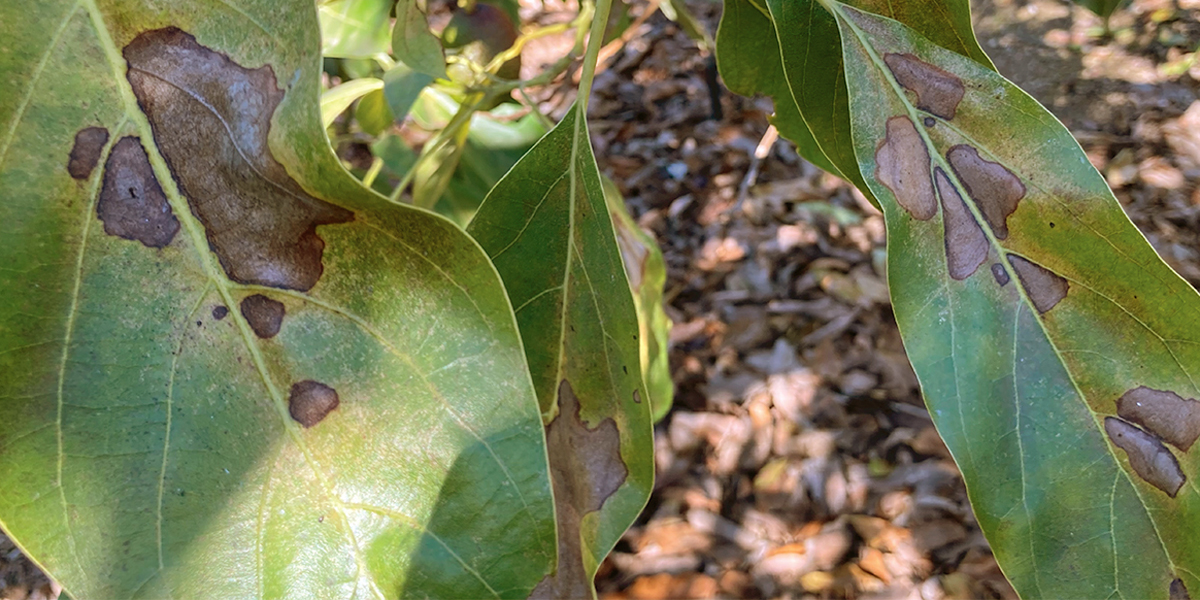
Spring conditions create favorable environments for several key pests and diseases:
- Avocado Lace Bug and Thrips: Implement monitoring and control programs now to prevent population buildup.
- Root Rot Spring Control: Apply fungicides and/or potassium phosphate as preventive measures during this vulnerable period.
- Targeted Treatment: Use spot control with granular fungicide on individual trees showing symptoms rather than blanket applications.
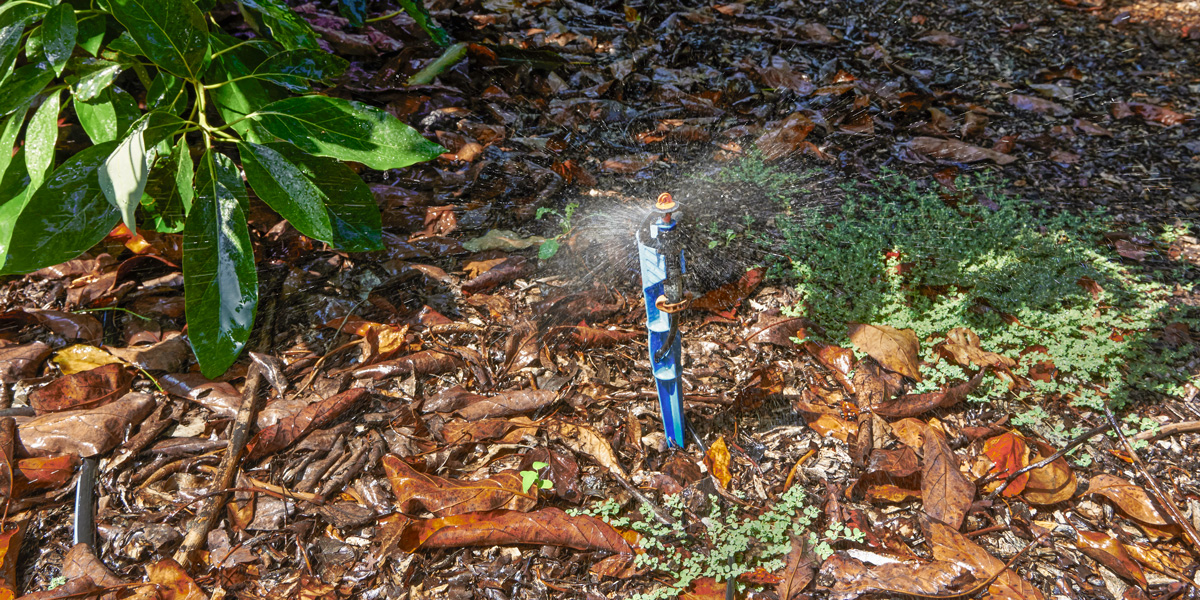
As temperatures rise and trees enter exponential fruit growth, water management becomes critical:
- Increase irrigation hours to meet rising tree demands.
- Primarily focus on increasing irrigation frequency rather than duration to maintain consistent soil moisture.
- Make adjustments based on specific ranch conditions including weather (ETo), soil type, root depth, and tree size.
- Adequate spring irrigation reduces fruit drop and supports optimal fruit set.
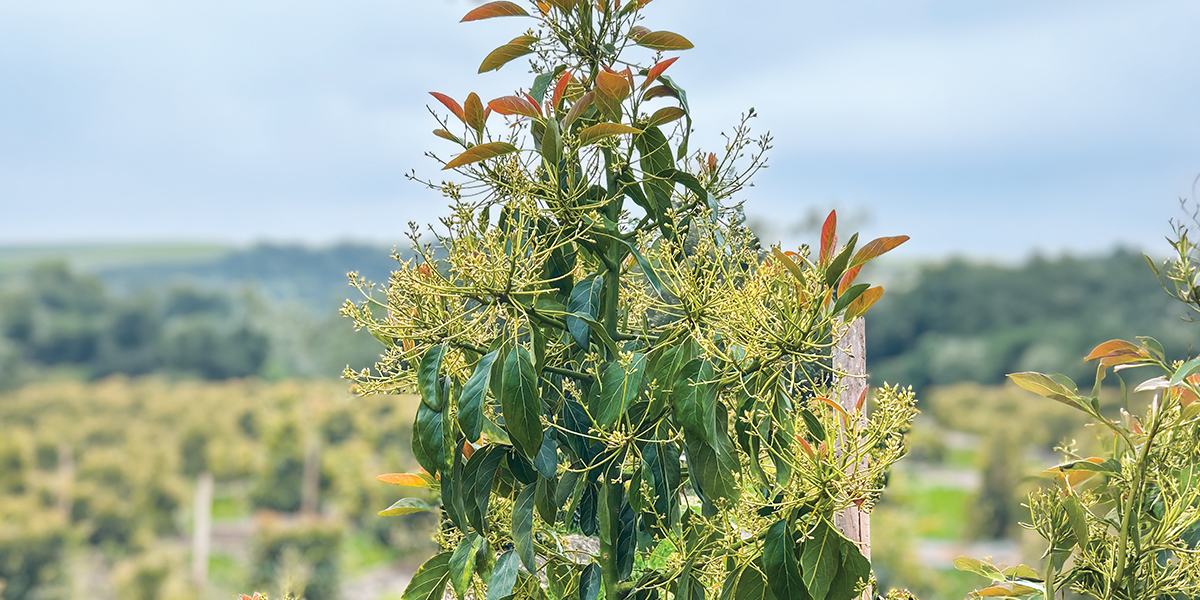
This season presents an opportunity to combine pruning with harvesting for maximum benefit:
- “Picking and Pruning”: Harvest entire branches (removing all fruit) to accomplish later pruning goals while collecting marketable fruit. This technique achieves early pruning benefits while maximizing harvest efficiency.
- Focus on pruning branches with flowers but no leaves, as well as new shoots that won’t contribute to current production. This approach improves light penetration, reduces future harvest difficulty, and maintains productive canopy balance.
We encourage you to work with your Field Representative to tailor these practices to your specific orchard conditions. With the promising early flowering and fruit set we’re seeing this season, proper spring management will be key to converting this potential into a strong harvest.
Index Fresh remains available for consultation and in-grove guidance. Reach out if you would like personalized recommendations for your operation.
Here’s to a productive spring season!

Gerardo Aldunate
Agronomist