
The Insider | Winter 2026

Dear Growers, 

Happy New Year! Index Fresh is poised for continued growth this upcoming California season, and we are excited to grow alongside you. As a California grower‑owned company that places a high value on California fruit, we have built a strong, dedicated base of growers while welcoming new partners into our program each year. Our network is reinforced by a seasoned field team and an experienced agronomist who work hand in hand with growers to enhance productivity and provide food safety support to meet the requirements of multiple audit schemes. We do this enthusiastically with one clear goal: to help California avocado growers be as successful as possible. 

The California Avocado Commission recently published its 2026 crop estimates, with the total crop projected at 330M lbs., roughly the same volume as the 2025 season. Within that, 2026 Hass volume is estimated at 310M lbs. (~1% increase), while the GEM crop is expected to reach an impressive 11M lbs. (~40% increase). Lamb Hass volume estimates are in line with 2025 at 11M lbs. for the season. AMRIC reports also show the 2025 season bleeding into 2026, which will likely create some discrepancies between actual volume and estimates as different reporting groups apply varying season start and end dates. 

We are expecting Mexico to deliver over 85M lbs. of volume for the upcoming Big Game weeks. So far, Q1 has been a welcome change from the softer demand seen in late 2025. The year opened with strong demand across the U.S., with particularly impressive movement on sizes 48s and smaller. 

Recent ample rainfall in California is setting the stage for good size development on the California crop, and our Field Team is seeing clean fruit across the regions. That said, they have noted the appearance of lace bug in some northern groves in January. Please review the articles linked below for guidance on how to effectively managing this pest. 

GEMs are poised for a particularly strong year, and our California Crema GEM campaign continues to build momentum. Retail buyers are scheduling meetings even earlier this season to secure GEM programs for spring. This early demand is both encouraging and well‑timed, as the crop could reach upwards of 14M lbs., exceeding the initial CAC 2026 estimate. 

Index Fresh will be hosting in‑person Season Kickoff Meetings in February, with our South Region meeting scheduled in Temecula on Tuesday, February 10, followed by a Ventura meeting on Thursday, February 12. Please RSVP and see the detailed event information in the links below. 

Harvest is expected to begin in mid‑February, typically around the 15th, with precise timing ultimately driven by market conditions. It is not too early to reach out to your Field Representative or our Agronomist, Gerardo Aldunate, to begin planning for the season. The Index Fresh team looks forward to partnering with you to make 2026 one of California’s strongest seasons yet. 

Keith Blanchard

With appreciation,

Keith Blanchard

Upcoming Gather & Grow Events 2026
Season Kickoff Meeting – South Region

44501 Rainbow Canyon Rd Temecula, CA 92592

Season Kickoff Meeting – North & Far North Region

100 E Main St, Ventura, CA 93001
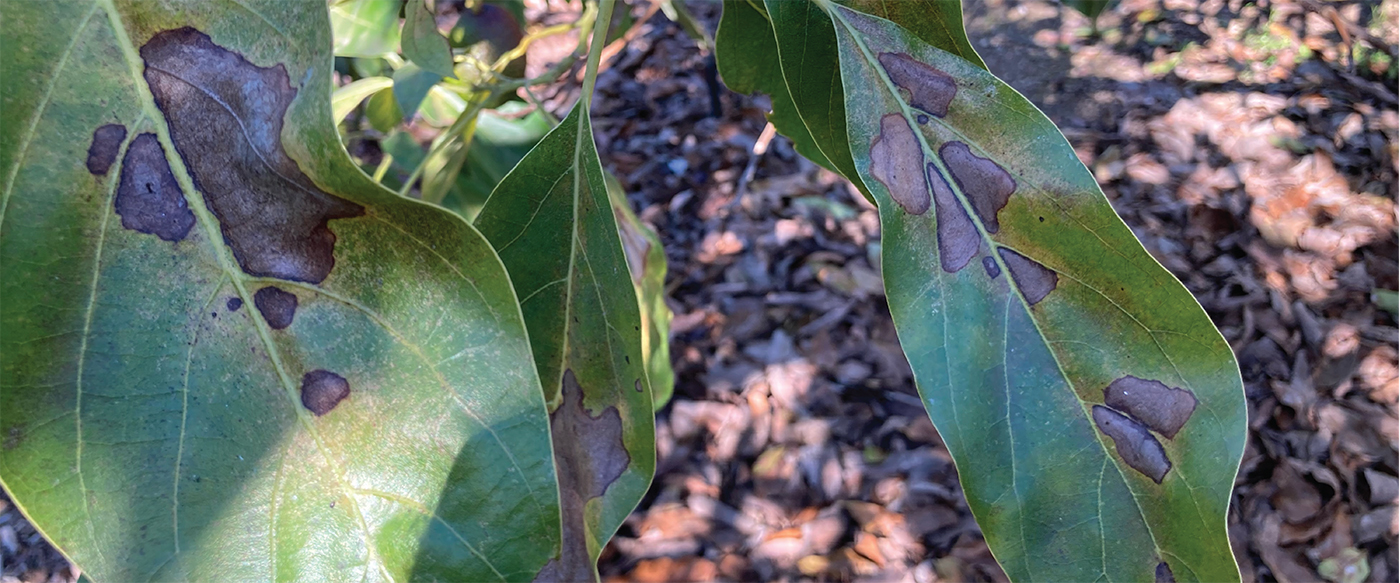
Look Out for Lace Bugs! – 2026 Update

Recently we’ve spotted the Lace bug pest in groves in Carpinteria and northward.

Native to the southeastern United States, the avocado lace bug is a notable pest that causes damage to avocado trees. Lace bugs can cling onto clothing, so it is important to brush off or use compressed air to blow off your pant leg, jackets sleeves, or other articles of clothing prior to exiting groves that contain lace bugs. Small micro-actions like these can help mitigate the spread of lace bugs.  

Here are some essential facts about this pest:  

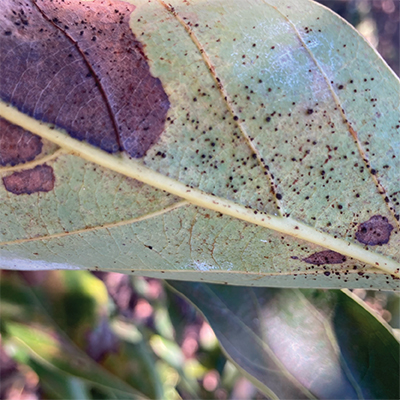
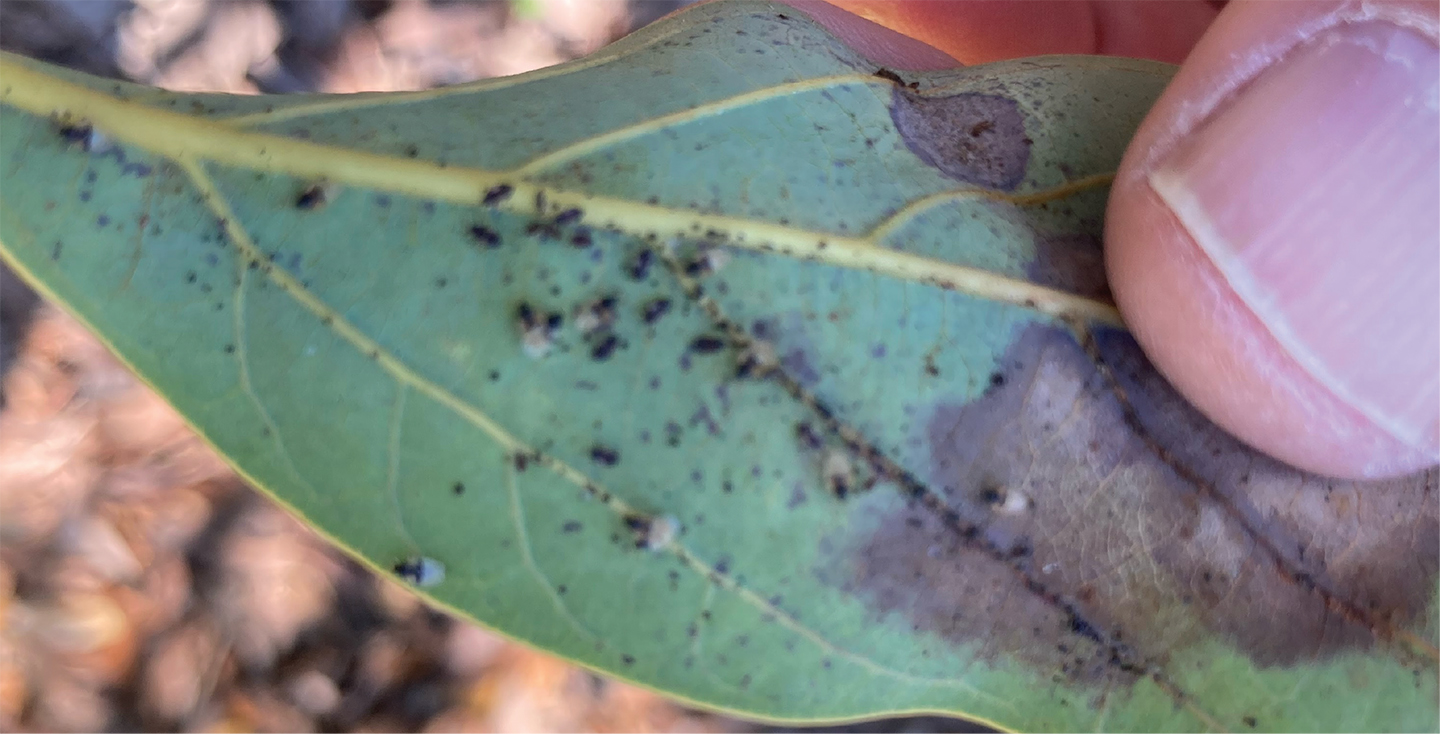
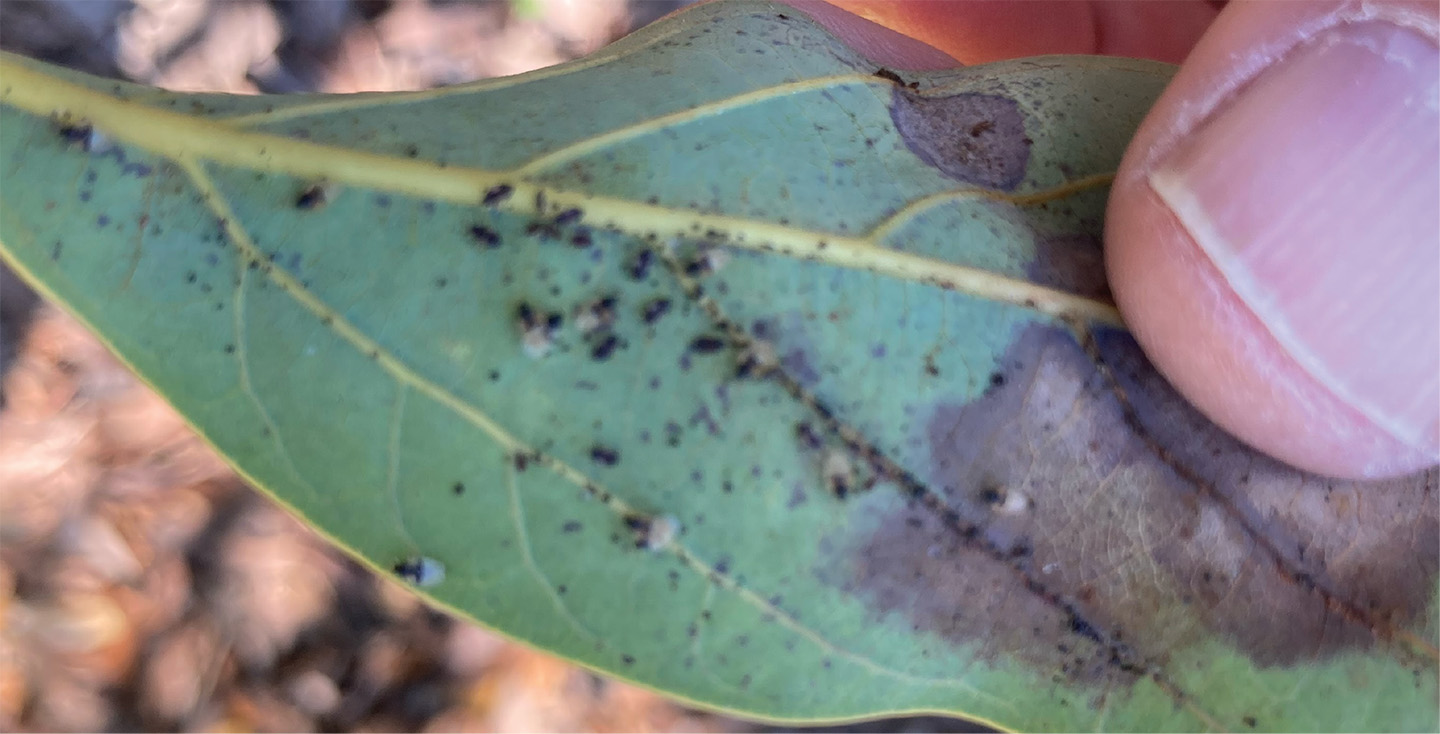
  • Appearance: Eggs are laid in an irregular pattern, sometimes in loose rows, stuck to the lower leaf surface and are covered with irregular globules of a black, sticky, tar-like substance excreted by adults that may protect eggs from natural enemies. Eggs will appear like grains of black pepper. Adult avocado lace bugs are small, have clear, lacy wings (about 2mm long) with a single dark band on their bodies, yellow legs, and antennae. They are visible to the naked eye.
  • Life Cycle: Lace bugs are immobile most of the time. They feed on the underside of leaves, causing chlorotic blotches that can become necrotic. Severely damaged leaves may drop prematurely.
  • Damage: Heavy lace bug feeding can lead to defoliation, sunburned fruit and wood, and stressed trees, potentially reducing yield.
  • Location: Lace bugs have been spotted in groves spanning from San Diego to Carpinteria in northern regions. The lace bugs live in colonies on the lower surfaces of leaves, often with adults, eggs and nymphs together.
  • Other Hosts: Besides avocado trees, the lace bug also feeds on the camphor tree (Cinnamomum camphora).
  • Timing: Lace bug populations tend to build in July, peak around September, and decline to low densities from January through May. Because they are largely immobile, they tend to disappear as older leaves drop off and the new leaves emerge during the spring flush.
  • Management: Management strategies may include restrictions on the movement of host plant materials, insecticide screening trials, and evaluation of natural enemy releases.
  • Natural Enemies: Green lacewing larvae were historically identified as natural enemies of avocado lace bug. However, recently Erico Ferro, PCA, notes he has not observed natural enemies feeding on any of the different stages of lace bug (egg, nymphs or adults) including lacewing larvae. Predators may feed on them but should not be relied on to control a population.
  • Pesticides: There are several pesticides that can kill lace bugs and are tolerated by green lacewing larvae.
  • Control: UC recommends various products to help control lace bugs. To learn more about how to control the pest, email info@indexfresh.com for UC’s management guidance and evidence-based recommendations from PCA Enrico Ferro.

Sources:

https://cisr.ucr.edu/invasive-species/avocado-lace-bug
https://ipm.ucanr.edu/agriculture/avocado/avocado-lace-bug/
https://veseris.com/default/resources/post/avocado-lace-bug
https://ceventura.ucanr.edu/index4.cfm/%3Ca?blogtag=avocado+lace+bug&blogasset=109383
https://biocontrol.ucr.edu/avocado-lace-bug
https://www.californiaavocadogrowers.com/sites/default/files/2023-11/Avocado-lace-bug.pdf
https://biocontrol.ucr.edu/media/591/download
https://ipm.ucanr.edu/agriculture/avocado/
https://ipm.ucanr.edu/home-and-landscape/avocado-lace-bug/pest-notes/
https://ipm.ucanr.edu/agriculture/avocado/avocado-lace-bug/#gsc.tab=0

Ask The Agronomist: Winter Insights

With more than 25 years of experience, agronomist Gerardo Aldunate partners with Index Fresh growers to advance best practices and deliver efficient, high-quality production. We sat down with Gerardo to get his expert insights on proactive planning for the cold season and how to approach fertilizer decisions, frost protection, and irrigation maintenance.

Question: What information do growers need to prepare for next year’s fertilizer inputs?
Answer: Recordkeeping is key to building an effective fertilizer plan. Historical records like leaf and soil analyses, irrigation data, and yield performance help guide decisions for the upcoming season.

  • Review your 2025 fertilizer program, leaf analyses, yields, and size curves.
  • Identify underperforming blocks and high-performing areas. Use these insights to adjust management practices.
  • Inspect tree health by observing leaf color (dark green to yellow), leaf size (large to small), and any salt burn. These observations, combined with cultural records, can help fine-tune nutrient and root health programs.
Avocado plant tissue analysis table

Q: Some growers are worried about frost damage. How can they prepare for winter frosts?
A: A few key steps can significantly reduce frost risk:

  • Inspect and service wind machines for frost protection.
  • Enhance natural air movement by pruning or trimming where necessary.
  • Improve drainage to prevent waterlogging.

Stay alert by monitoring weather forecasts. Here are links to several reliable sites that help anticipate weather events: WeatherWest, National Weather Service, Ventura County Public Works, Weather Underground.

Q: We’ve heard concerns about excess water and root rot. What should growers do?
A: Avocados are highly sensitive to saturated soils, just 24 – 48 hours of flooding can cause severe root damage from oxygen deprivation. After heavy rain, inspect your ranch for poor drainage areas and take prompt action:

  • Improve drainage where possible by digging channels to move water away quickly. Remember that Phytophthora root rot thrives in cool, wet conditions. Prolonged cloudy weather reduces photosynthesis, weakening trees and increasing susceptibility.
  • Depending on tree conditions, consider early spring treatments with phosphorous acid and/or fungicides.

Q: What should growers do for irrigation system maintenance?
A: If they work with a grove management company, confirm their winter irrigation maintenance and upgrade plans. For self-managed systems, follow these steps for effective upkeep:

  • Check pressure: Ensure uniform system pressure; repair leaks or broken sprinklers.
  • Clean filters: Remove clogs from organic matter or mineral buildup. Replace filters if needed.
  • Clean emitters and flush lines: Clear blockages and sediment build up from drip lines, following UCANR recommendations.
  • Check controllers: Verify system functionality and adjust irrigation schedules as necessary.

Sources: Newett, 2021; California Avocado Commission, UCANR

Learn more about Microirrigation Systems

Gerardo Aldunate headshot image

About Gerardo Aldunate
Gerardo Aldunate is a leading agronomist with experience working with avocado producers worldwide. Aldunate advises Index Fresh’s avocado partners and participates across the California avocado industry, providing education in conjunction with the California Avocado Society and California Avocado Commission.

Fall Leaf & Soil Testing for Healthy Avocado Crops 

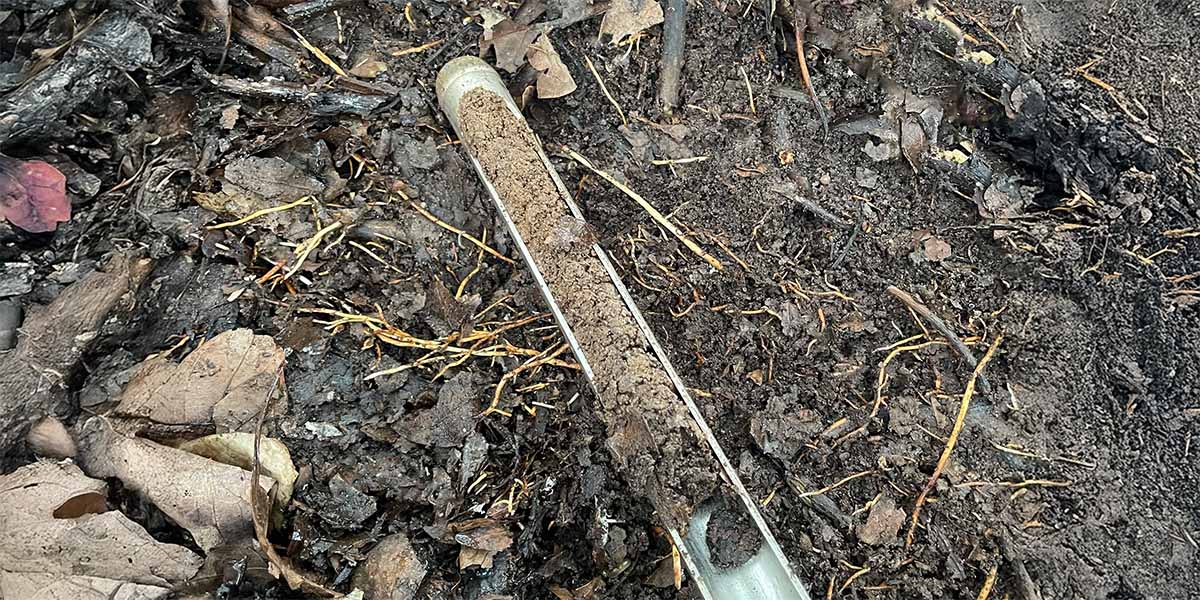
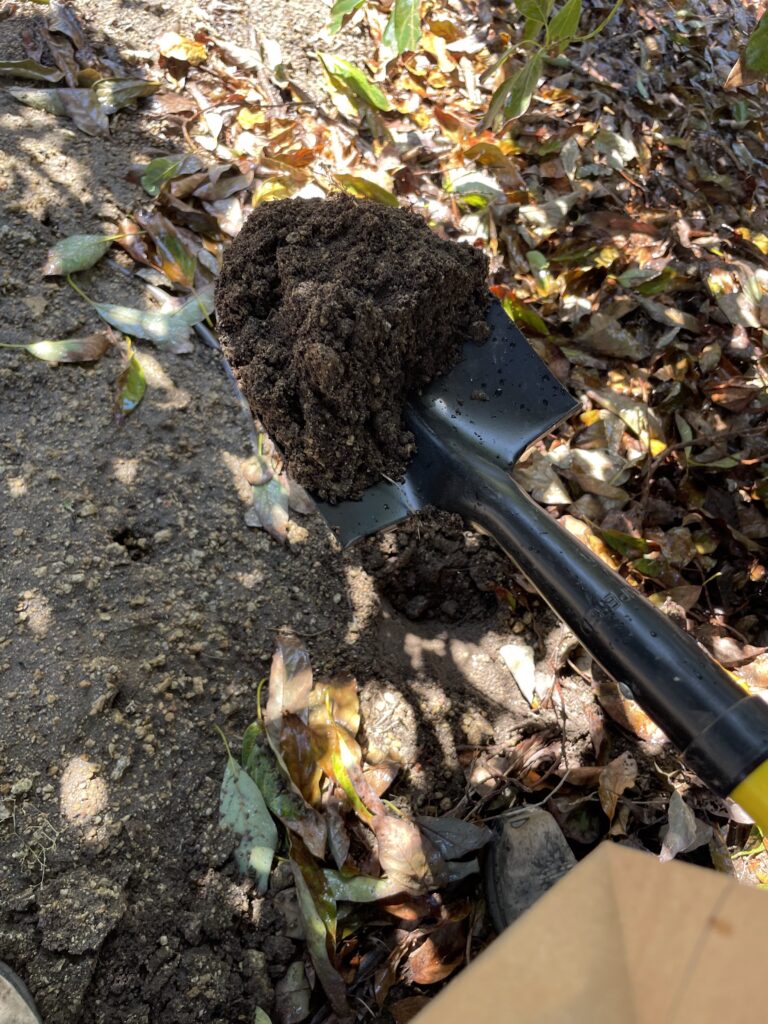
Leaf and soil analysis is a useful tool for developing a strategy for fertilizing your avocado orchard and identifying potential problems. Fall is widely accepted as the best time of year to collect soil and leaf samples for nutrient testing. Collecting both the soil and leaf samples at the same time not only provides ease but has the added benefit of ensuring soil samples are taken at the same time each year. Over time, this annual practice builds a soil fertility history which shows long-term trends.

For leaf analysis, collect the youngest fully expanded leaves (5-7 months old) from non-fruiting branches. For soil analysis, sample before planting and then every couple of years or when problems arise, keeping samples in paper bags to prevent contamination. 

Avocado leaf analysis
When to collectFor this year’s extended season, California growers should collect leaves before the end of November.
What to collectThe youngest, fully expanded leaves from the spring flush (5–7 months old).
Where to collectSample from non-fruiting, non-flushing branches from different quadrants of the tree.
How to collect• Select 40 leaves per sample from randomly chosen trees within the block.
• Use a separate sample for a poorly performing block or one with a different soil type.
• Place leaves in a paper bag (not plastic) to prevent moisture buildup and damage.
• Store the bag in the refrigerator overnight if it cannot be taken to the lab immediately.
• Submit samples to the lab as soon as possible after collection.

Pro-Tip: Standardizing leaf age and season for leaf analysis samples is recommended due to the diverse stages avocado trees experience throughout the year.

Soil analysis
When to collectBefore planting a new grove and at least every couple of years afterward.
Why to collectIt provides valuable information about fertility and toxicity levels that can be used alongside leaf analysis results.
How to collect• Sample for a specific area or problem spot.
• Place samples in a paper bag to prevent contamination.
• Submit the sample to the lab for analysis. 

Tips for Both Analyses

Use for fertilization: Contact your Index Fresh’s Agronomist, Gerardo Aldunate, to help explain the lab results and guide your fertilization decisions for the upcoming season.

Identify problems: Analyses can help identify nutrient deficiencies or toxicities, such as excessive boron. Keep in mind that nutrient deficiency symptoms frequently are not due to inadequate nutrient levels in the soil. Routine application of nutrients simply because the foliage exhibits deficiency symptoms may make things worse by delaying you from finding the true cause of the unhealthy trees. You can increase the trees’ ability to absorb minerals by improving soil conditions and promoting root health.

Consider other factors: The lab report is a guide, but you should also consider other factors like the growing season, potential for higher or lower yields, or recent weather events when developing a fertility program. 

Did you know?

If you are unsure about how to collect leaf and soil samples, Gerardo can help you with this step, as well as interpreting the results once back from the lab. Contact Gerardo at galdunate@indexfresh.com today to learn more about how to take advantage of these valuable tools before time runs out to test in 2025. 

Gerardo Aldunate headshot image

Gerardo Aldunate
Agronomist
galdunate@indexfresh.com

The Insider | Summer 2025 

Dear Growers, 

I am pleased to share that California has enjoyed a strong season so far, with prices remaining notably high for much of the year. While we experienced some price moderation in late July following the summer peak, this season—like last year—has been both prosperous and overwhelmingly positive. The steady demand and robust pricing continue to reflect the exceptional quality and premium reputation that California avocados command in the market.

The California crop estimate was revised from 375M to 340M lbs. in May, and the current trajectory looks to be on track to meet that mark. By late July, we’re nearly 80% through the season, with over 260M lbs. harvested. The South region saw exceptional gains, with harvest up 60% compared to last year.

We wrapped up the GEM season in early July, and it was a clear success. Fruit movement was steady, demand consistent, and Index Fresh closed with a record-high 51% GEM market share. Grower returns per bin were strong, overall quality looked good, and the California Crema GEM brand launch received enthusiastic retail response across the country.

Weather has been largely stable, with no major spikes impacting the crop. I’d like to thank our agronomist, Gerardo Aldunate, for working closely with many of you to improve yields and implement new techniques. Gerardo and our Field Reps led an engaging series of Gather & Grow In-Field events in June and July, with more regional events planned this fall, including pruning and girdling demos.

Looking ahead, I’m excited about new acreage coming for 2026 and the strong prospects for next year’s Hass and GEM crops. Your partnership and commitment to California avocado excellence continue to inspire us. Thank you for your trust and the privilege of working alongside you.

Keith Blanchard

With appreciation,

Keith Blanchard

Summer 2025: Key Avocado Cultural Tips from Gather & Grow

As the summer season arrives across California’s avocado groves, it’s the perfect time to revisit best practices for tree health and fruit quality. In June and July, our team at Index Fresh hosted regional Gather & Grow in-field meetings to discuss pressing seasonal topics with growers. For those who couldn’t attend, we’re sharing the highlights and actionable tips below so your orchard can thrive through the critical months of July to September.

Understanding Phenology: Setting the Stage

Avocado trees are finishing the demanding flowering and fruit set phases. These have required significant tree energy. Now, exponential fruit growth begins, coinciding with key periods for shoot and root development. Your summer decisions will have a lasting impact on fruit size, yield, and tree vigor throughout the season.

Summer Cultural Practices for Success

Fertilizer Plan

  • The next 12 weeks mark rapid fruit growth—a stage of high demand for nutrients, especially nitrogen, potassium, and zinc.
  • Adjust your fertilizer applications to match both crop load and shoot growth. A targeted plan now supports both developing fruit and new canopy.

Irrigation Management

  • Well-timed, adequate irrigation is essential during early fruit development. Good water management reduces fruit drop and maximizes fruit set.
  • As temperatures rise, shorten intervals between irrigations to minimize stress and optimize fruit size. Monitor your soil moisture and tree needs closely.

Pruning Practices

Goals:  Improve light penetration, make harvesting safer and easier, streamline spray coverage, and ultimately maximize yield and fruit quality.

How-To:

  • Cut back the tallest branches to lower tree height.
  • Remove branches growing into adjacent trees or work alleys.
  • Eliminate poorly placed, crossing, or weak shoots.
  • Remove dead wood for canopy health.
  • Maintain a healthy balance between fruit- and leaf-producing shoots.
  • Protect newly exposed branches from sunburn with a water-thinned white paint.
  • Disinfect pruning tools between each tree to prevent disease transmission.

Mulching for Roots and Soil Health

Mulch renewal is timely now. A fresh layer:

  • Promotes fine root growth.
  • Suppresses Phytophthora root rot.
  • Improves vigor by keeping soils cooler and more moist, with better nutrient and water retention.

Heat Management Strategies

  • With peak summer heat possible, water is your first line of defense.
  • Apply up to 50% more than your typical irrigation volume the day before an anticipated heatwave.
  • Use shorter, more frequent irrigations during heat events to reduce crop stress and prevent fruit drop.

We encourage you to review these practices with your Field Representative and adapt them to your unique conditions. As always, Index Fresh remains available for consultation or in-grove advice—reach out if you would like personalized recommendations.

Here’s to a safe and productive summer!

By Gerardo Aldunate, Agronomist, Index Fresh

Beat the Heat with Overhead Sprinkler Systems

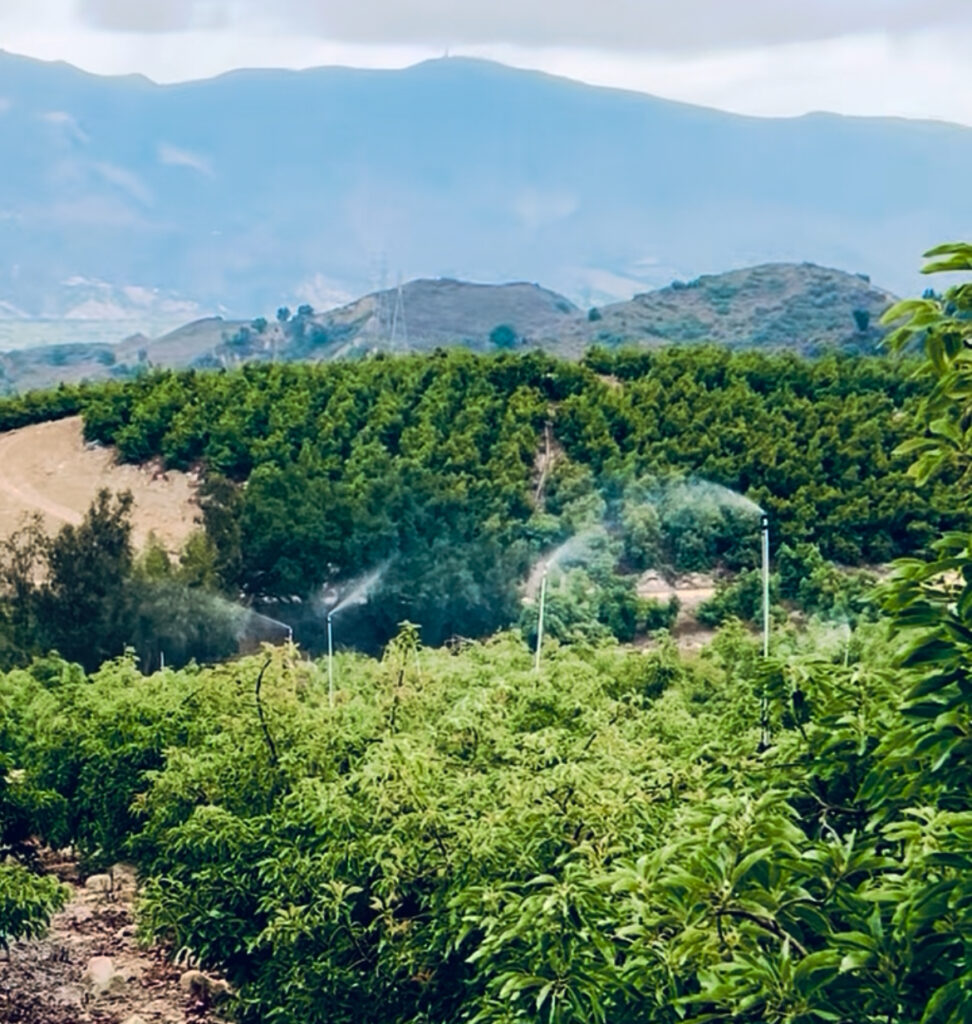
Overhead sprinkler systems are proving to be a powerful tool for protecting avocado orchards from extreme heat. Research has shown that using these systems can drop the air temperature around avocado trees by 7–12°F, providing a critical buffer against heat waves that can cause stressed trees to shut down and crops to suffer severe damage (Miller et al., 1963; Lomas and Mandel, 1973). More recently, a 2022 study published in Nature documented how Israeli researchers saw up to a 100% increase in avocado yields when using canopy-cooling systems during heat spikes. In trials across three Israeli orchards—where temperatures soared to 113°F—overhead irrigation reduced air temperature by 18–21°F and boosted relative humidity by 16–18%. While the concept isn’t new or particularly high tech, the adoption of overhead sprinklers in avocado farming is on the rise as growers seek practical strategies to mitigate the growing challenge of extreme heat.

Evapotranspiration is the key process at work. As plants transpire, they release water vapor through their leaves, cooling the surrounding air—a natural effect similar to condensation on a cold glass. Overhead sprinklers amplify this cooling by adding moisture directly to the orchard environment, resulting in even greater temperature reductions and increased relative humidity.

At Brokaw Ranch Company in Santa Paula, nearly 50 acres are equipped with overhead sprinklers—an investment in preparation for the inevitable 100-degree days of August and September. Ranch Manager Nathan Lurie reports that the system is effective, and the ranch now considers overhead sprinklers standard practice with all new plantings.

Hot temps trigger avocado trees to close their pores

When temperatures rise above 88°F, avocado trees will start to enter the danger zone. Their stomates—leaf pores crucial for gas exchange—close to conserve water under intense heat and low humidity. This defense mechanism, however, restricts both water uptake and respiration, stunting photosynthesis. If these high temperatures persist, trees can experience fruit drop, reduced yields and size, and, in extreme cases, fatal stress. Because avocados are tropical trees with shallow root systems, they are especially sensitive to heat events, which are becoming increasingly common in California’s avocado regions.

According to Lurie, advances in weather forecasting allow growers to anticipate and prepare for heat waves with precision. One of the best preventive measures is to increase ground irrigation in the days ahead of a forecasted heat spike. During a heat event, orchards equipped with overhead sprinklers, like Brokaw’s, activate the system hours before temperatures reach their peak. Water supply and pressure limitations mean not all orchard sections can be irrigated simultaneously, so the sprinklers are cycled in advance to rotate through each section.

The overhead sprinkler system, 16 sprinklers per acre, disperses large droplets for about 15 to 20 minutes in each area—just enough to ensure the canopy is evenly moistened. Lurie explains that this system strikes an optimal balance: it maximizes canopy coverage while still conserving water.

The overhead sprinklers complement increased ground irrigation. By cooling the canopy, the sprinklers help keep the stomates open, allowing trees to continue metabolizing and making use of the extra irrigation, instead of shutting down under heat stress.

Overhead sprinklers are especially vital for newly planted trees in heat-prone areas, giving them a greater chance to survive their critical establishment years. For mature trees, the system helps prevent crop losses and canopy/limb damage from severe sun burn.

“Overhead sprinklers help prevent loss from heat damage to the current crop and often next year’s crop. In extreme heat, you could be looking at limb damage and reduction of crop even two to three years out,” notes Lurie.

While growers in other crops have used overhead sprinklers for decades to mitigate heat and frost, avocado growers are only now widely adopting this technology. Much of the foundational research comes from Israel, where heat challenges mirror those California now faces—especially in the southern regions and inland Ventura County.

For growers considering this enhancement, Index Fresh Field Representatives can assist in evaluating and implementing overhead sprinkler systems, offering guidance where the return on investment may be substantial—particularly if the alternative could mean significant crop or tree loss.

The Insider | Spring 2025 

Dear Growers, 

The 2025 California avocado season began with great momentum in mid-January, marking an earlier start than usual. Thanks to a short supply of 48s from Mexico during January, we were able to work together to bring California fruit to market just in time to meet the heightened demand during the Super Bowl period. 

Early harvesting primarily consisted of size picks, but the favorable market conditions also allowed growers the opportunity to conduct maintenance and anti-theft picks at competitive price levels. 

Looking ahead, California is poised for a strong crop this year, with volumes expected to be similar to the 2024 season. Last year’s final numbers reached 386 MM pounds across all varieties. For 2025, initial estimates project 355 MM pounds of Hass avocados, 11 MM pounds of Lamb Hass, 8 MM pounds of GEM, and 1 million pounds of other varieties such as Reeds and green skins. 

The U.S. avocado market is currently facing notable challenges. Mexican supply has fallen short of meeting regular weekly demand, and recent tariff uncertainties have further tightened availability. These factors have created robust demand for California fruit at premium prices over the past several weeks. 

With ongoing uncertainty surrounding Mexican supply, retail buyers are increasingly turning to alternative sources to meet their needs. California avocados stand out for their quality, consistency, and reliability—making them a top choice for buyers nationwide. 

GEM avocados are also generating excitement among retailers. Our newly launched California Crema GEM campaign has already sparked enthusiasm from both new buyers and long-standing GEM customers eager to expand their programs. Please coordinate closely with your field representative to ensure a smooth harvest process. 

We’re excited to welcome Agronomist Gerardo Aldunate to Index Fresh full-time this April! With extensive expertise in avocado cultivation, Gerardo will be a valuable resource for our growers and team. Contact Gerardo at galdunate@indexfresh.com to schedule an in-field consultation. 

The Fresh Facts mobile app has been revamped with a sleek design and enhanced features. Growers can now access two years of historical price trends alongside the latest price quote and market insights. We’re committed to delivering cutting-edge tools— reach out with suggestions for future updates. 

Finally, I’d like to personally invite all growers and members of the avocado community to join us at our Grower Appreciation Lunches this May. These casual gatherings are a wonderful opportunity to connect, enjoy great food, and discuss the upcoming season. The lunches will be held on: 

  • May 6th in San Luis Obispo, Wayfarer Hotel 
  • May 7th in Ventura, Brokaw Nursery Long Canyon Ranch 
  • May 9th in Temecula, Temecula Creek Inn 
Keith Blanchard

With appreciation, 
Keith Blanchard

Look Out for Lace Bugs! 

Native to the southeastern United States, the avocado lace bug is a notable pest that causes damage to avocado trees. Its presence has been documented as far south as San Diego County and as far north as Ventura County. Here are some essential facts about this pest.

Lace Bugs

APPEARANCE: Eggs are laid in an irregular pattern, sometimes in loose rows, stuck to the lower leaf surface and are covered with irregular globules of a black, sticky, tar-like substance excreted by adults that may protect eggs from natural enemies. Eggs will appear like grains of black pepper. Adult avocado lace bugs are small, have clear, lacy wings (about 2mm long) with a single dark band on their bodies, yellow legs, and antennae. They are visible to the naked eye. 

LIFE CYCLE: Lace bugs are immobile most of the time. They feed on the underside of leaves, causing chlorotic blotches that can become necrotic. Severely damaged leaves may drop prematurely.

DAMAGE: Heavy lace bug feeding can lead to defoliation, sunburned fruit and wood, and stressed trees, potentially reducing yield. 

LOCATION: Lace bugs have been spotted in groves spanning from San Diego to Carpinteria. The lace bugs live in colonies on the lower surfaces of leaves, often with adults, eggs and nymphs together. 

OTHER HOSTS: Besides avocado trees, the lace bug also feeds on the camphor tree (Cinnamomum camphora).

TIMING: Lace bug populations tend to build in July, peak around September, and decline to low densities from January through May. Because they are largely immobile, they tend to disappear as older leaves drop off and the new leaves emerge during the spring flush

MANAGEMENT: Management strategies may include restrictions on the movement of host plant materials, insecticide screening trials, and evaluation of natural enemy releases. 

NATURAL ENEMIES: Green lacewing larvae were historically identified as natural enemies of avocado lace bug. However, recently Erico Ferro, PCA, notes he has not observed natural enemies feeding on any of the different stages of lace bug (egg, nymphs or adults) including lacewing larvae. Predators may feed on them but should not be relied on to control a population. 

PESTICIDES: There are several pesticides that can kill lace bugs and are tolerated by green lacewing larvae. 

CONTROL: UC recommends various products to help control lace bugs. To learn more about how to control the pest, email info@indexfresh. com for UC’s management guidance and evidence-based recommendations from PCA Enrico Ferro.

Lace Bugs

Sources

https://cisr.ucr.edu/invasive-species/avocado-lace-bug https://ipm.ucanr.edu/agriculture/avocado/avocado-lace-bug/ https://veseris.com/default/resources/post/avocado-lace-bug https://ceventura.ucanr.edu/index4.cfm/%3Ca?blogtag=avocado+lace+bug&blogasset=109383 https://biocontrol.ucr.edu/avocado-lace-bug https://www.californiaavocadogrowers.com/sites/default/files/2023-11/Avocado-lace-bug.pdf https://biocontrol.ucr.edu/media/591/download https://ipm.ucanr.edu/agriculture/avocado/ https://ipm.ucanr.edu/home-and-landscape/avocado-lace-bug/pest-notes/

Index Fresh Launches California Crema™ Gem Avocados

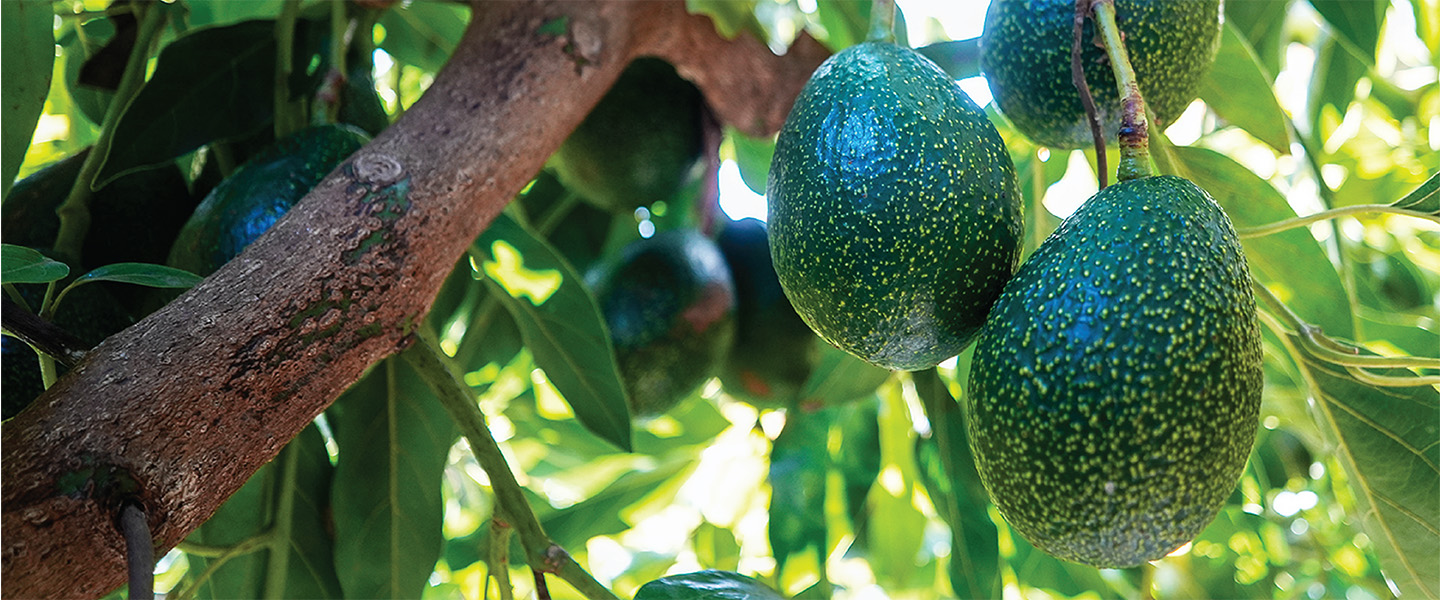
It’ll soon be the “time to shine” for avocados wearing the California Crema label offered exclusively by Index Fresh, a global avocado production, distribution, and marketing leader. Icons of the Golden State, California Crema Avocados are the GEM variety — gold-flecked, deliciously creamy, and in season annually between April and July, while supplies last. 

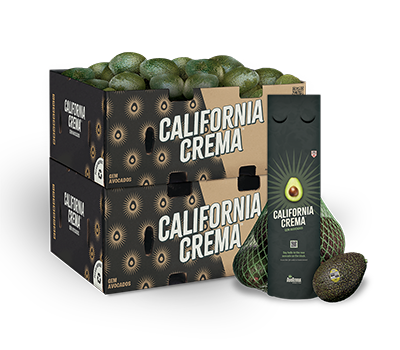
This season, avocado lovers will discover something extra special with California Crema. The unique offering is harvested by California farmers, packs tons of flavor and nutritional density, and pairs resilience with responsibility. Sold bagged and in bulk with eye-catching, innovative packaging, California Crema sets itself apart from other avocado options on the market.

“Feedback on GEMs has always been through-the-roof positive, so we are very bullish on their potential to wow nationwide,” said John Dmytriw, Index Fresh Vice President of Business Development. “They perform outstanding in taste tests and have distinctive qualities like gold-flecking and an easy-to-peel skin. The new California Crema brand draws consumers into this limited release offering, with stand-out marketing that educates and creates excitement around the GEM variety that we are proud to have helped put on the map.”

“Rich, creamy avocados are already staples of California cuisine and the go-to ingredient for restaurants and home chefs that want to deliver on exceptional flavor,” said Kellen Stailey Martin, Index Fresh Vice President of Marketing. “The market is ripe for a delicious new variety that sparks excitement and pays attention to the rising consumer demand for more environmentally mindful packaging. California Crema brings all these key elements to life and partners with farmers who have invested years in cultivating a promotable level for the 2025 crop.” 

GEM avocados are often associated with farming practices that strive to minimize their environmental impact, like growing on compact trees that have a more dense and efficient fruit set, producing more within a smaller footprint. The fruit grows inside the lush canopy where they are insulated from direct sun and more resilient to extreme weather. The California Crema program also harnesses sustainable initiatives through incorporating recyclable paper film, certified home-compostable PLUs and net bags, and biodegradable cartons into the product line. “We are excited that California Crema will elevate the GEM variety’s already beneficial farming practices with packaging designed to reduce the environmental footprint,” Stailey Martin notes.

Contact your Index Fresh Sales Representative for more information on the California Crema bulk and bag programs and visit CaliforniaCremaAvocados.com learn more.