
Index Fresh Hosts Cultural Seminar 27 to Gather California Growers for Postseason Presentations and Market Intelligence

Irrigation and Pest Management Solutions will be Key Industry Takeaways from Traveling Three-Day Event Series on Oct. 23, 24 and 28

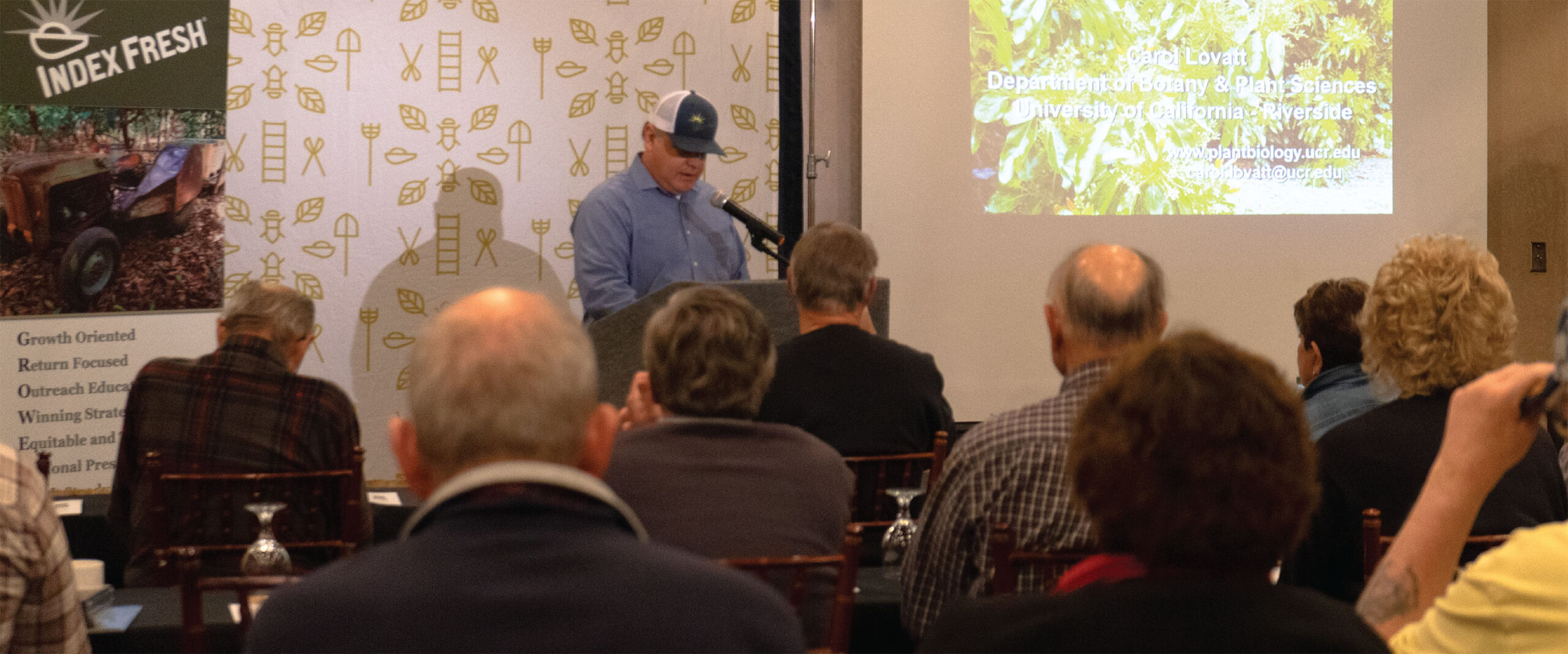
Index Fresh, a global leader in avocado marketing and distribution, announces its 27th annual Cultural Seminar series, set to take place across California’s prime avocado-growing regions in late October. This initiative brings together avocado growers, industry professionals, and subject matter experts to share knowledge and insights directly in the heart of cultivation areas. The seminars will be held from 9 to 11:30 a.m. on Wednesday, Oct. 23 in San Luis Obispo, Thursday, Oct. 24 in Ventura, and Monday, Oct. 28 in Temecula.

“The seminar serves as a culminating event for California’s avocado industry, bringing together growers and stakeholders to reflect on the season. At Index Fresh, we take pride in facilitating this gathering, which not only provides valuable education but also fosters an environment for sharing knowledge and experiences,” said Keith Blanchard, Index Fresh Field Manager. “This event offers an ideal opportunity to analyze the past year’s challenges and successes, allowing us to collectively prioritize areas for improvement and strategically prepare for future seasons.”

“I look forward to these topical Index Fresh seminars,” commented Zach Rissel, Managing Partner & General Manager of La Patera Ranch. “As a grower, I need to be proactive, always learning, and building resilience for my operations. Index adds insights and brings together like minds in a productive way.”

An expert panel discussion on Practical Irrigation Technology will include a representative from Hunter Industries sprinkler systems, John Cornell of Cornell Orchards and Jim Brown of K & J Avocados. Blanchard will moderate the irrigation panel. 
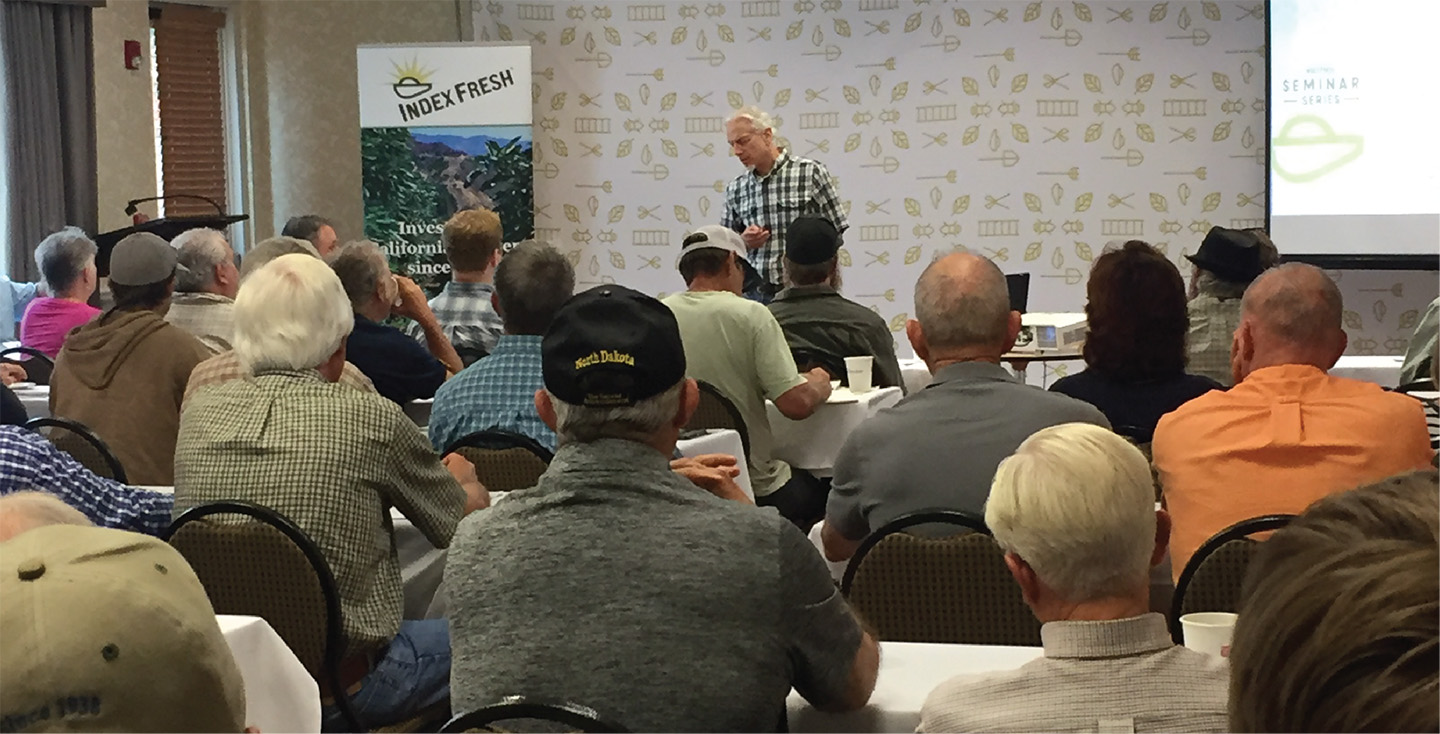
Additional key subject matter will be Integrated Pest Management Solutions, including state of the science presentations from Tom Roberts of Integrated Consulting Entomology and PCA Enrico Ferro. The presentations will help growers stay ahead of common pest problems currently facing California avocados and provide key data points and solutions for protecting fruit quality and strengthening the long-term health and performance of avocado groves.

“When our growers are equipped with actionable information, it helps them produce a better crop,” Blanchard said. “That is when we all benefit up-and-down the avocado supply chain from the farmer to retailer to foodservice operator.”

Grower owned, Index Fresh holds a unique position in the avocado industry with a deep investment in fostering best farming practices. The company prides itself on gathering data and information from around the globe in order to increase efficiency and productivity for its growers and customers. Index Fresh continues to play a prominent role in advancing the industry’s goals by providing innovative tools to help growers overcome challenges and succeed.
Summer Cultural Tips

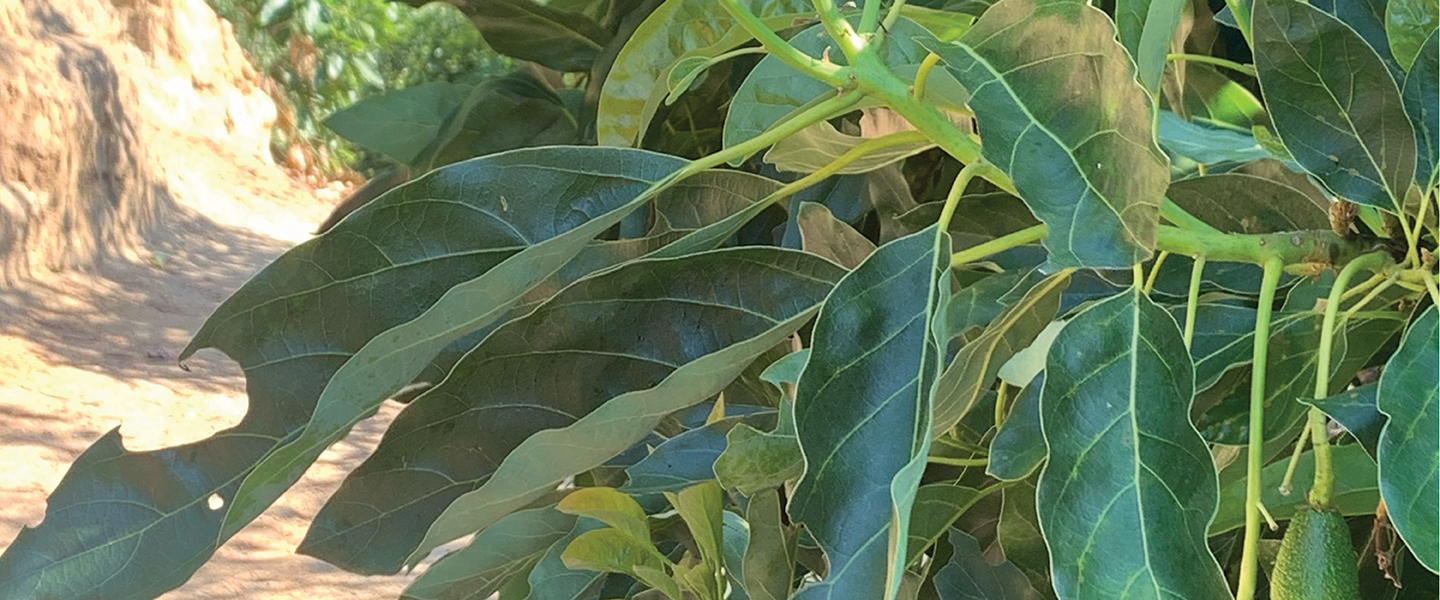
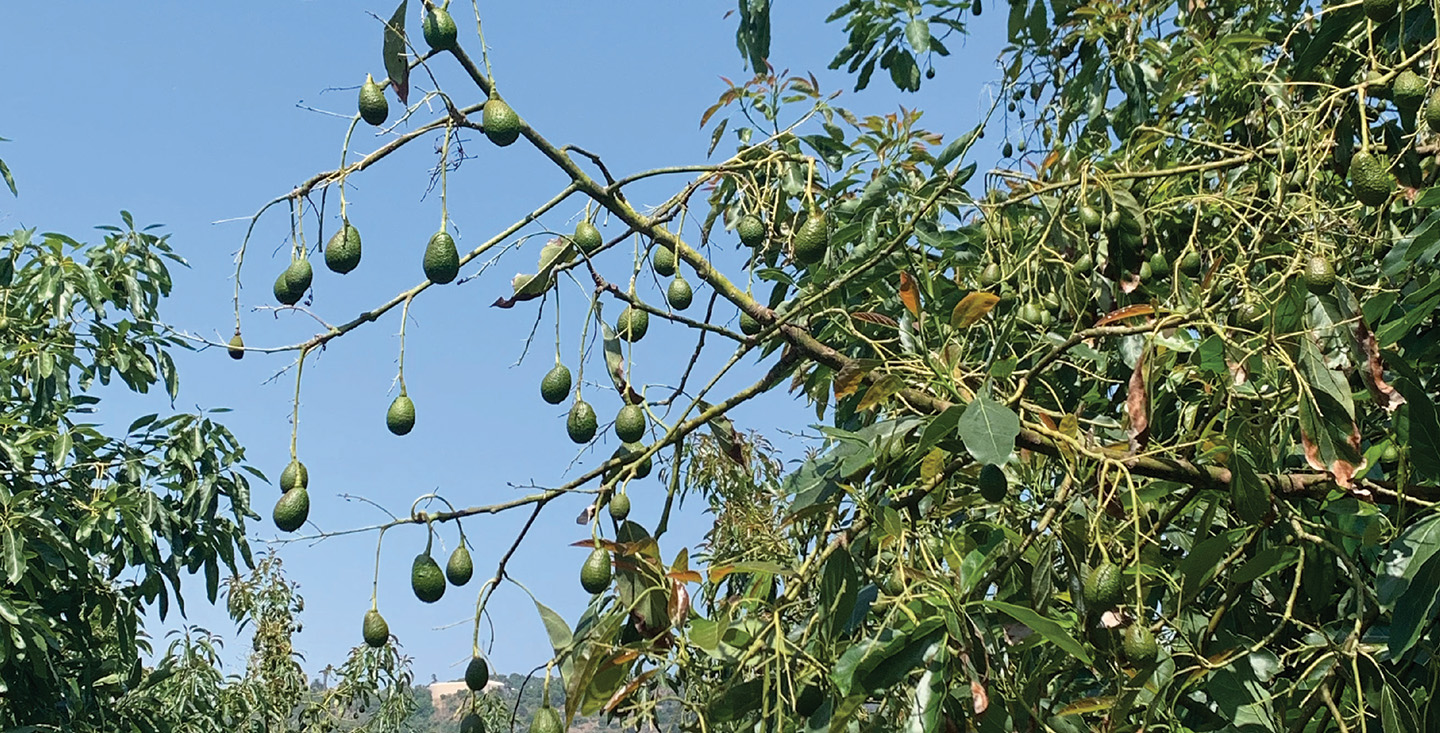
At this stage of the season, we are completing the flowering and fruit set, a process in which the tree spends a lot of energy (sugars, starch, water, nutrients, etc.). Now is the time to recover all resources used by the tree. Your avocado trees now need: 

Fertilizer: Adjust nutrient amounts based on fruit load and the stimulation of new growth (next year’s floral shoots). Aim to make healthy leaves, fruiting wood, and strong roots. 

Irrigation: Water is the basis of the photosynthesis process (energy for the tree). Increase the amount of water and/ or irrigation frequency. 

Pruning: Control the height of tall trees, regulate alternate bearing, control regrowth, and remove “dead” wood. It is important to keep a good balance between reproductive and vegetative growth. Reduce sunburn by painting the branches with a mix of white paint and water. Remember to disinfect pruning tools between each tree. 

Pest control: Monitor pest populations, such as persea mite, to evaluate need for control. 

Mulching: Add mulch to improve conditions for better root growth.

By Gerardo Aldunate, Agronomist, Index Fresh

Too Hot To Handle: California Avocado Growers Must Adapt To Higher Temps

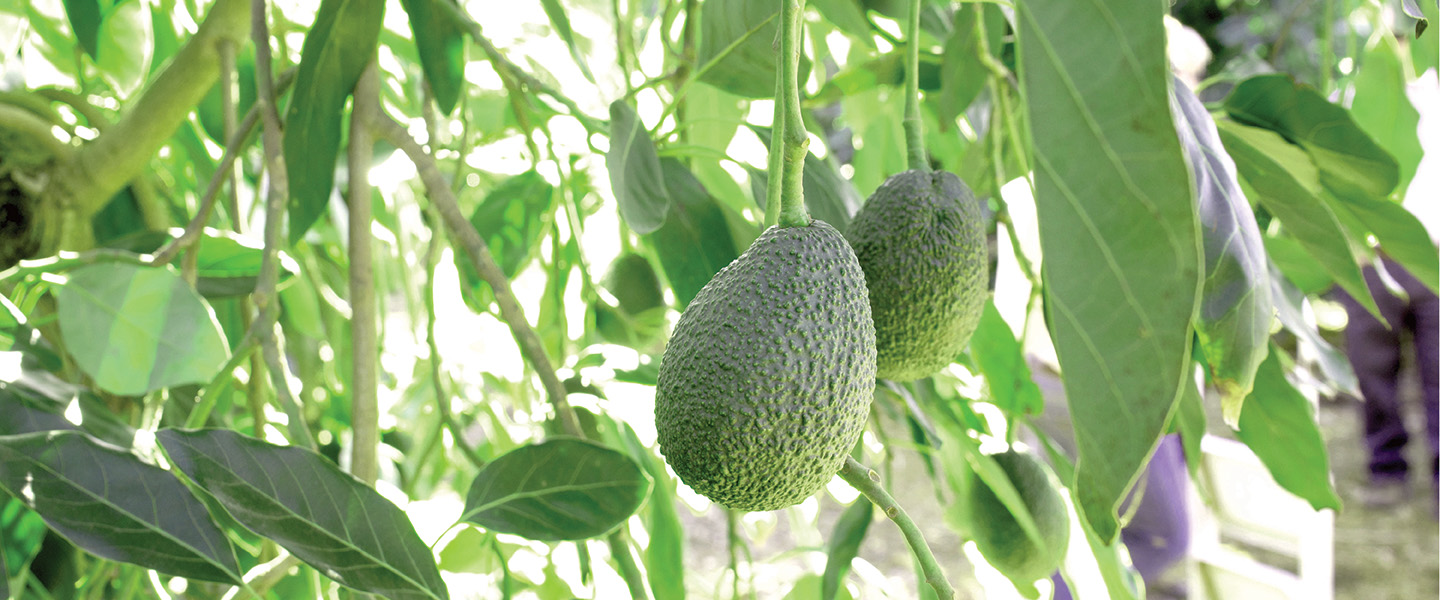
Scorching heat across interior Ventura County this July spelled trouble for avocado growers. When the mercury climbs over 100 degrees for days, it can mean total crop loss. Growers across California’s avocado growing region who are vulnerable to high heat have applied old-fashioned farming ingenuity and novel techniques to combat the worsening threat caused by extreme heat. 

“It’s definitely getting hotter,” said Dr. Ben Faber, a farm adviser with UC Cooperative Extension. “Just 10 years ago, 110 degrees was unheard of, and since then we’ve had three summers in Santa Paula and Fillmore when it’s gotten 110 degrees and hotter. It’s gotten to 120. It’s not supposed to happen, but it’s happening.” 

The avocado tree is sensitive to temperature fluctuations in both directions, and the aftermath of heat damage looks a lot like the aftermath of frost. After extreme heat, the orchard needs to be evaluated for damage. Fruit can drop — in severe cases, most of it — and if the leaves start to get crunchy from heat damage, the first step is to reduce irrigation and fertilization. The damaged tree cannot process the irrigation like a healthy tree, so excess water, even from regular irrigation, could lead to root rot on impacted trees. Another tell-tale sign of heat damage is browning of the stem where it connects to the fruit. Avocados with browning stems will eventually drop.  

“Leaves are crispy. The fruit is on the ground. You’ll know heat damage when you see it. It’s really obvious,” Faber said. In the event that the leaves drop, apply whitewash to exposed branches to prevent sunburn. Otherwise, avoid pruning until there is new growth in order to protect the tree from sunburn. 

It could take six months to a year to observe the extent of the damage to each tree, whether it’s a matter of temporary fruit and leaf damage for the season or if the tree is severely impacted and might never recover. 

Beware Of Forecasts Over 90 Degrees 

Finicky avocado trees react to temperatures over 90 degrees. The stomata on the leaves, which open to allow transpiration under normal circumstances, close to retain moisture, but a side effect is causing the tree’s internal temperature to accelerate upward. If the forecast predicts that the temperature at your orchard will exceed 90 degrees throughout the day, consider that as being in the avocado tree heat advisory zone. 

“We’ve had to advise Index Fresh growers on recognizing and preparing for ever-more-frequent extreme heat,” said Keith Blanchard, California Field Manager for Index Fresh. “The good news is there are measures to take that can protect the crop and trees from extreme heat.” 

Faber, a specialist in subtropical horticulture, pointed out that avocado trees are at home in tropical weather, but the tree evolved to live under larger trees in the forest. Cultivators have taken avocados out of their natural shaded setting, so we must apply farming tools to protect them. “Avocado trees were naturally accustomed to hot weather, but also being shaded,” he said. 

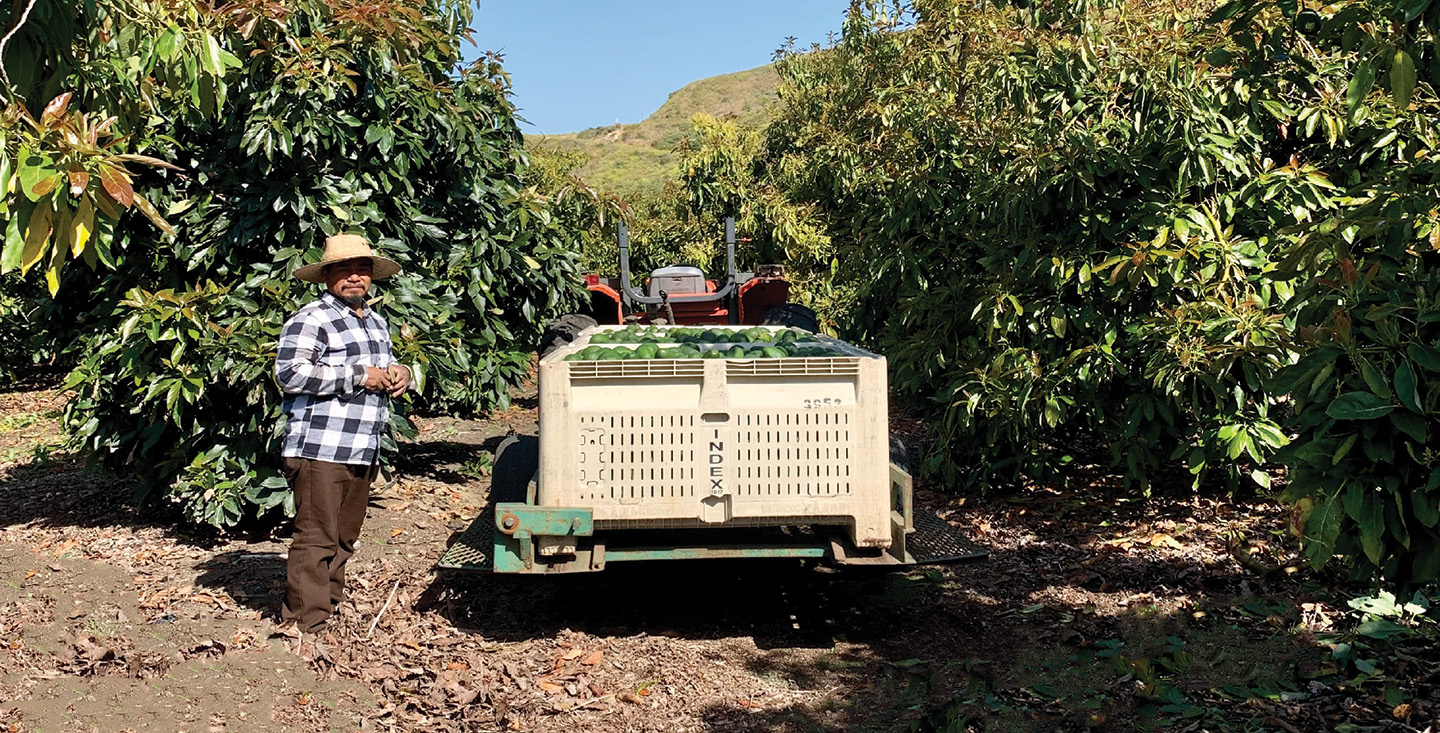
Harvesting Avocados

Preparing For Extreme Heat 

As they have adapted to extreme heat, growers have developed game plans with mainly two proven techniques, advanced irrigation and overhead sprinklers. 

Overhead sprinklers can reduce ambient temperatures by 10 degrees through evaporative cooling in the orchard. If the forecast calls for 100 degrees, it is possible to bring temps down to about 90 degrees in the orchard, or right at the threshold before the trees close their stomata and enter the danger zone where internal temps spike. 

Even before it becomes time to switch on the overhead sprinklers, growers should prepare by irrigating ahead of time. Trees that are hydrated will withstand greater heat and suffer less damage, even if temps climb over 90 degrees. “Sometimes, the grower says, ‘Oh, it’s hot. I’m going to turn the irrigation on.’ But by then it’s too late,” Faber said. “If you can anticipate it and hydrate the tree, that’s when you are helping, because when it’s too hot, water isn’t going anywhere.”

In addition to overhead sprinklers, growers can reduce ambient temperature through adding moisture and evaporation to ambient air. The added overhead shower is most helpful when the water settles on the leaves or other surfaces, because that water will cool the tree down immediately, Faber said. 

Anecdotally, growers in hot temp zones have been able to install overhead sprinklers for about $1,200 per acre by laying them over existing irrigation systems. Growers will use overhead sprinklers in blocks during heat events, and it is important to monitor and rotate sprinkler locations frequently enough to keep trees moist throughout hot weather. 

Different Results On Different Trees 

Orchards in the same climate can have wildly different outcomes from extreme heat events. A recent event in Santa Paula caused nearly 90% fruit loss at one avocado orchard but others that were nearby withstood temperatures with far less damage. 

“Really, it’s a carpet of fruit on the ground,” Faber said of the badly hit orchards. 

Heartier trees where the fruit sets inside the canopy seem to handle extreme temperatures better. Also, some growers are finding that GEM trees, shaped so fruit sets inside the canopy, tend to fare better in hot or cold temps. The added protection from the elements was a primary reason for selecting the GEM to commercially cultivate. 

Note Of Caution 

Faber advises against using products marketed as Antistress 550/2000 on avocado trees. The products, which are applied to the canopy, can do more harm than good on avocados.

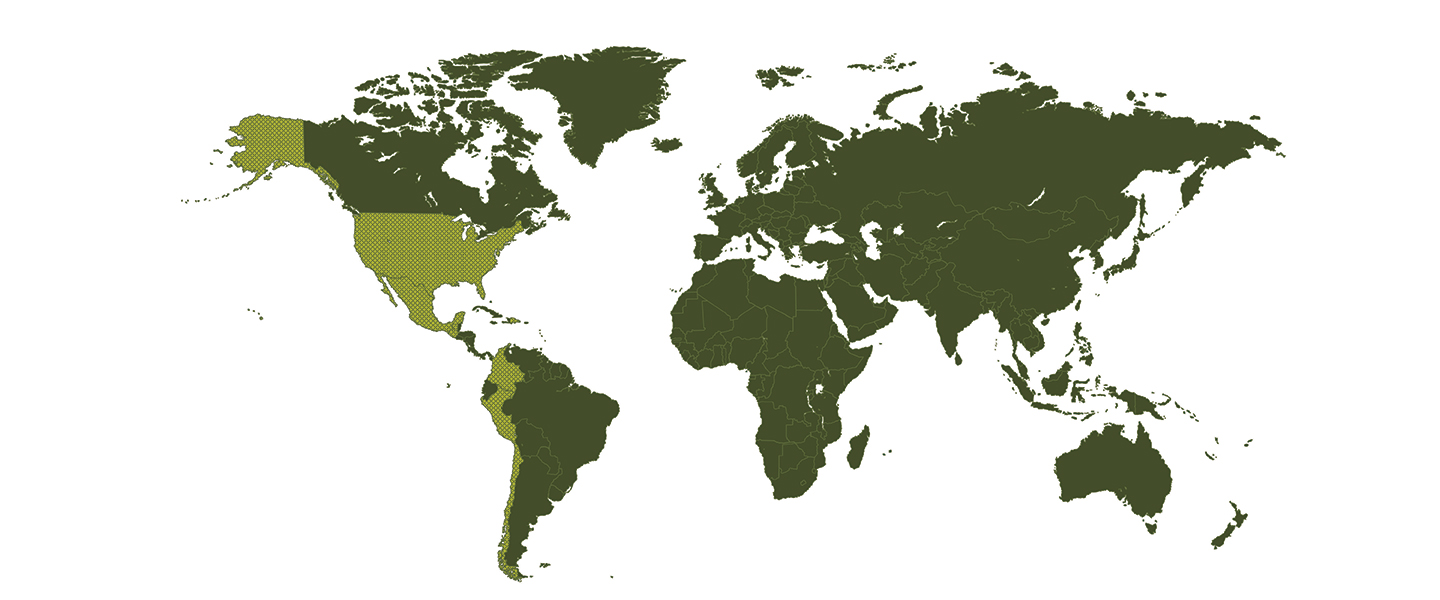
Avocado Imports Into The U.S. 

In 2024, even when Mexico is on the sidelines, its nuanced supply chain can greatly impact the U.S. avocado market. The suspension of avocado exports from the state of Michoacán in mid-June caused prices to spike and California growers to strip the 2024 crop as fast as they could. Peru also pivoted shipments into the U.S., chasing the hole left in the market by Mexico. The lasting effect of Michoacán’s timeout has been a disruption to the U.S. avocado market. Prices and supplies were thrown out of whack, and the industry is still waiting for the impact to dissipate. In addition to Mexico and Peru, below we outline key players in the 2024 U.S. avocado market — adding Colombia and Chile —  and the status of their crop this year.

2024 Country By Country Outlook 

Mexico

Status — Mexico has shipped about 1.3 billion pounds of avocados into the U.S. in 2024, compared to about 1.4 billion to date in 2023. This is the second consecutive year that drought has diminished Mexico’s crop. Rain delays in Michoacán, where most avocado acreage is exclusively rain-fed, has greatly impacted fruit size and crop volume. We are watching the development of avocados from the state of Jalisco entering the U.S. According to APEAJAL, Jalisco’s avocado export group, the peak season for harvest this year has been delayed due to drought. Jalisco, which ships about half of its total exports into the U.S., remains early in its development as a major exporter, as it awaits export clearance for more of its orchards. 

Projection 2024 — Overall, Mexico is projected to finish 2024 with a 2.4-billion-pound share of the U.S. market, falling short of its 2023 record U.S. export volume year of 2.5 billion pounds. 

Peru 

Status —  Like California, Peru continues to find avocados on trees that were not included in its preseason projections. El Niño weather conditions in 2023 impacted the 2024 crop leading to the expectation that exports would be severely reduced. That outlook, however, has since been tempered to a 10% reduction year-over-year. So far this year, about 80 million pounds of Peruvian avocados have landed in the United States. Peru shipments peaked in mid-July at nearly 15 million pounds per week into the U.S. 

Updated Projection 2024 — Peru sent 166 million pounds of avocados into the U.S. in 2023; shaving 10% from that would make this a 150-million-pound year.

Colombia

Status — Colombia has grown its avocado exports into the U.S. this year by shipping over 40 million pounds, beating 2023’s total of 23 million pounds. Colombia produces year round but is currently peaking at around 4 million pounds per week. To add context, Colombia never broke 1.5 million pounds in a week in 2023.

Projection 2024 — Like Peru, Colombia is setting itself up for global expansion, and it enjoys easy access to the U.S. East Coast. In 2024, the U.S. is expected to receive 68 million pounds of avocados from Colombia. Though it lags behind Peru in its annual volumes, Colombia is adding producing acres annually. 

Chile

Status — Chile has only sent 300,000 pounds of avocados to the U.S. this year and topped out at 11 million pounds last year. It simply hasn’t been a game changing contributor of avocados into the U.S.

Projections — Chile enjoys a niche season in the U.S., September through December, just after California and Peru typically hang their hats for the season. Chile’s reduced supply and strong domestic demand will divert produce away from export markets. The avocados that do make it to export are most likely to be shipped to the E.U.

The Insider | Spring 2024

Dear Growers, 

It is with gratitude that we enter this abundant 2024 season and to celebrate we’re “breaking bread”, or rather BBQ, and gathering for a series of appreciation lunches for our California grower community. As always, Index Fresh strives to curate social gatherings, agronomist consulting, seminars and newsletters that serve as a source of education and insights on our dynamic industry.

Taking a quick pulse on how this season is stacking up, I’m pleased to see that pricing is averaging almost $.50 above last year, which hovered between $1.10 – $1.15/lb. at the end of April 2023. From a volume perspective California has produced 68M lbs. as of last week (4/29/24), thus far we are seeing volumes very similar to 2023. Following the Cinco de Mayo push we anticipate smaller sized fruit will have a building inventory, however, by Memorial Day Weekend this trend will likely course correct and given the tight Mexican supply, California should continue to experience elevated pricing. We’re seeing a very strong bloom coming on right now, and if our spring weather continues to cooperate, we’ll be set for a promising crop in 2025.

A special thanks to this edition of The Insider’s contributors: Gerardo Aldunate for his agronomy O&A, integrated pest management SME Tom Roberts for his intel on Thrips and Lisa Strickland for continuing to keep us informed on the latest in food safety audits.

Keith Blanchard

With appreciation, 
Keith Blanchard

Index Fresh 2024 GEM Avocado Programs are Ready for Retail

GEM Avocados’ Expand Category for Avo-Hungry Consumers Seeking Value & Variety

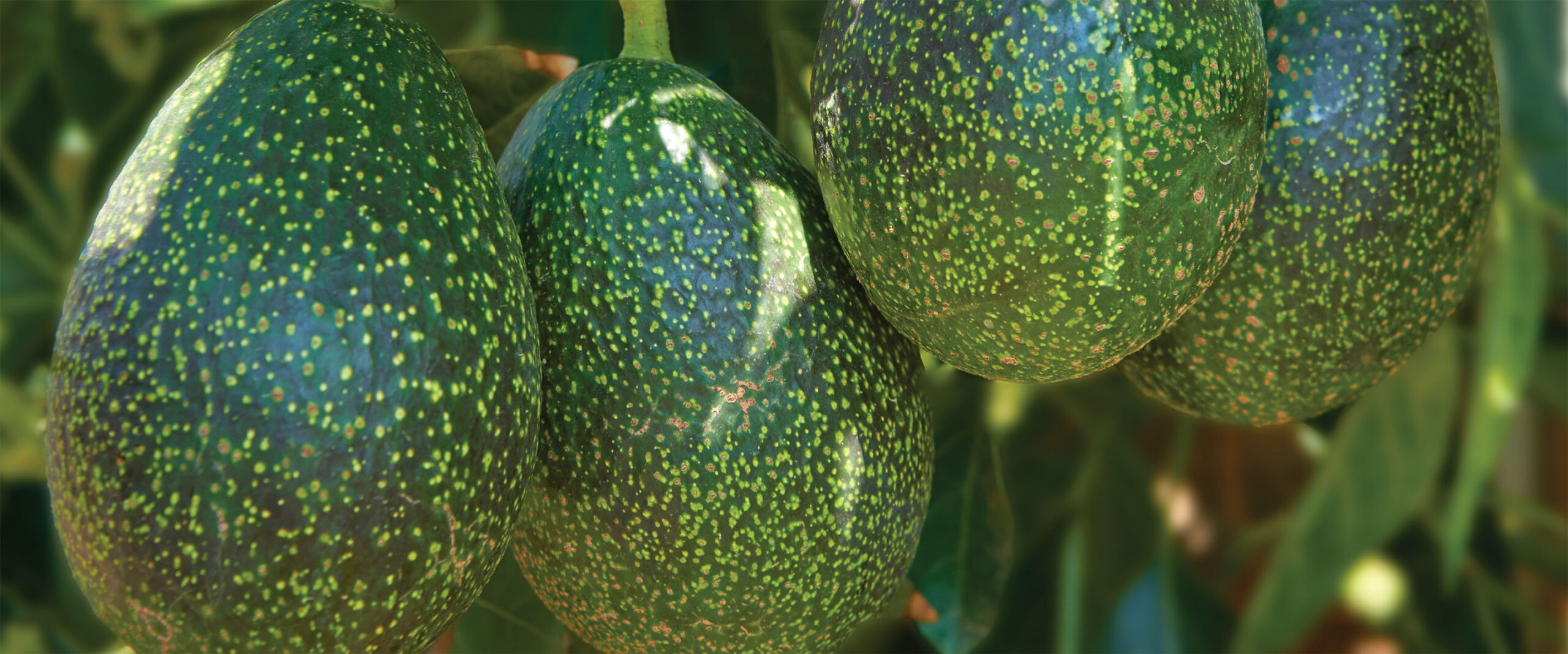
Index Fresh, California’s largest shipper of GEM avocados, kicks off their 2024 GEM season with an abundant crop poised to deliver quality and value to retailers and foodservice providers across North America. Gold-flecked GEM avocados will be available for a limited time from April to mid July, presenting retailers the unique opportunity to merchandise both size and variety at shelf. In addition, Index Fresh has partnered with several California banners to bolster their locally grown programs and educate consumers on the buttery, nutty flavor profile and sustainable growing practices of the Californian GEM.  

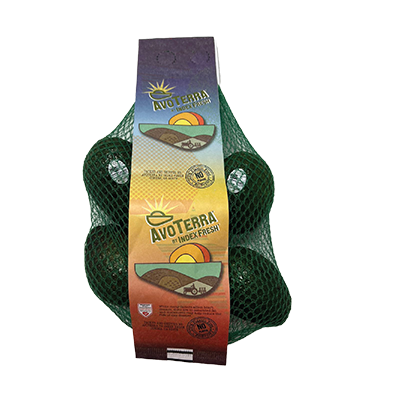
“Index Fresh is about giving our customers choices, so we always get excited when California GEMs are offered alongside Hass,” said Bobby Fingerlin, Index Fresh Sales and Business Development team member. “We recently showcased 2-count and 3-count value-added GEM bags at the Viva Fresh Expo and received very positive feedback on the value and packaging that differentiates our GEMs at retail; our new label includes call outs on flavor, texture and their California origin.”

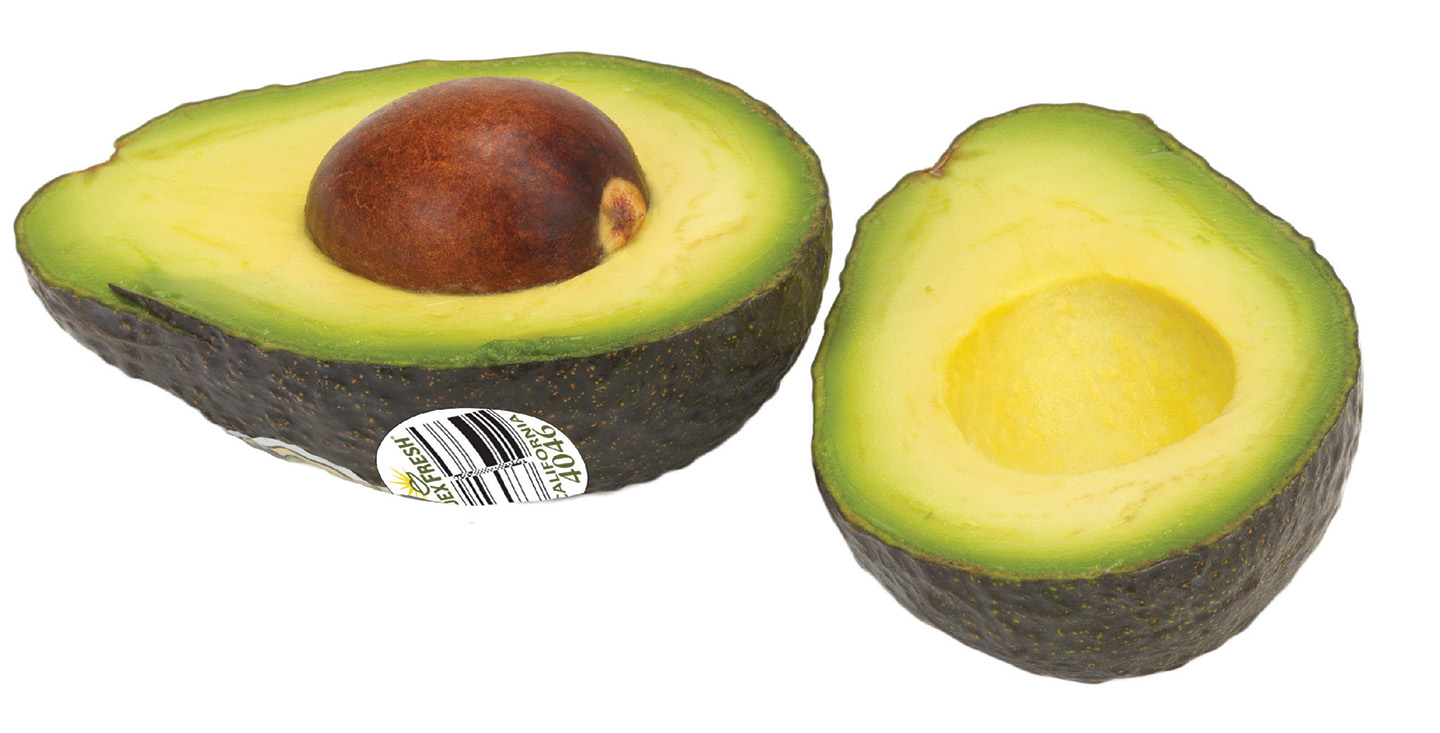
California is expected to produce over 5 million pounds of GEM in the 2024 season spanning from early spring to July, likely peaking in May. The dark-skinned GEMs are harvested with a clean uniformity that stands out at retail. Their characteristic creamy texture, outstanding eating quality and slightly nutty notes impresses selective taste buds. The fruit’s thicker skin has an advantage of being easier to peel, so scooping out all the creamy flesh for perfect salad slices or a generous bowl of guacamole is never a hassle.

Index Fresh pioneered the promotion of GEM avocados, advising growers on how to care for the trees, harvest their fruit and market it in a way that emphasizes the unique appeal.  “GEM was selected as a standout fruit by researchers at University of California and has a very localized sustainability story. The fruit grows on smaller trees, allowing for a higher yield within a smaller footprint, which makes it a good choice for eco-conscious California growers and consumers. You know where the fruit came from, and that’s never too far away from home for shoppers in the Golden State,” said Keith Blanchard, Index Fresh Field Manager.

“Whether packaged in our Index Fresh bags or sold individually in 25 lb. lugs, GEMs have performed well with consumers, and as a variety, continues to grow every year,” Fingerlin says. “When customers can choose their avocado from among a couple of different sizes or packs, they land on a choice that fits their needs and fully satisfies.”

Index Fresh’s Clean Eating Challenge Mentor Highlights Health at 2024 Viva Fresh Expo

Susie Rea shares how Index Fresh promotes healthy choices for the industry and planet

Index Fresh’s Susie Rea is no stranger to setting goals and exceeding expectations at home and at the office. Perhaps it’s her sports background or the recent excitement around March Madness that inspires Susie to make the ‘assist’ that scores meaningful change towards a healthier lifestyle. In partnership with Viva Fresh, Susie and the Index Fresh team will be gathering at next week’s expo in Houston, Texas to promote this year’s Clean Eating Challenge, avocado category expansion opportunities and new sustainable packaging solutions. 

Rea, a Viva Fresh Clean Eating Challenge participant in 2022, stepped up in this year’s Challenge to serve on a select team of Mentors, coaching industry peers looking to tap into clean eating and wellness through movement and diet. “Anyone aiming to have a healthful balanced diet can lean into avocados, because they pack a nutritional punch with an abundance of potassium, healthy fats, and dietary fiber,” says Rea. “Best of all, they taste great and are versatile, so you can plan a healthy breakfast, lunch, or dinner around avocados. I, along with other ‘Challenge Champions’, take advantage of Viva Fresh as a forum to share how we’ve adopted healthier lifestyles, starting with eating more of what we grow and sell while celebrating our wellness wins along the way.”

Viva Fresh also serves up the perfect opportunity for the industry to talk with Index Fresh about their seasonal GEM avocado program that kicks off this month. “Gold-flecked GEM avocados deliver all the healthy nutrients of the beloved Hass, but with a larger size and slightly nuttier flavor. GEMs bring bonus value, variety, and taste to the category,” commented Rea. In addition to its health benefits GEMs are also a sustainable choice for growers looking to increase yields, reduce water displacement and achieve greater efficiency during harvest. The GEM variety provides a great option for retailers who are looking for a seasonal program of premium, sustainably grown, fruit marketed now through the end of July to expand the avocado category.

AvoTerra avocados

Rounding out Index Fresh’s expo line up, the company will be introducing their new cellulose packaging for their bagged organic and conventional AvoTerra line. The cellulose bag is made of 100% paper, scoring major points with retailers and consumers alike. Both 100% recyclable and compostable, promoting the sustainable packaging alternative is just one more way Index Fresh is dedicated to a healthy lifestyle positively impacting people and the planet. 

To chat with Susie and the team about Index Fresh’s healthy highlights, stop by Booth 117 on April 13th at Viva Fresh Expo. 

Tips For Avocado Thrips: This Year’s Crop Damage Is Worst Since 1990s

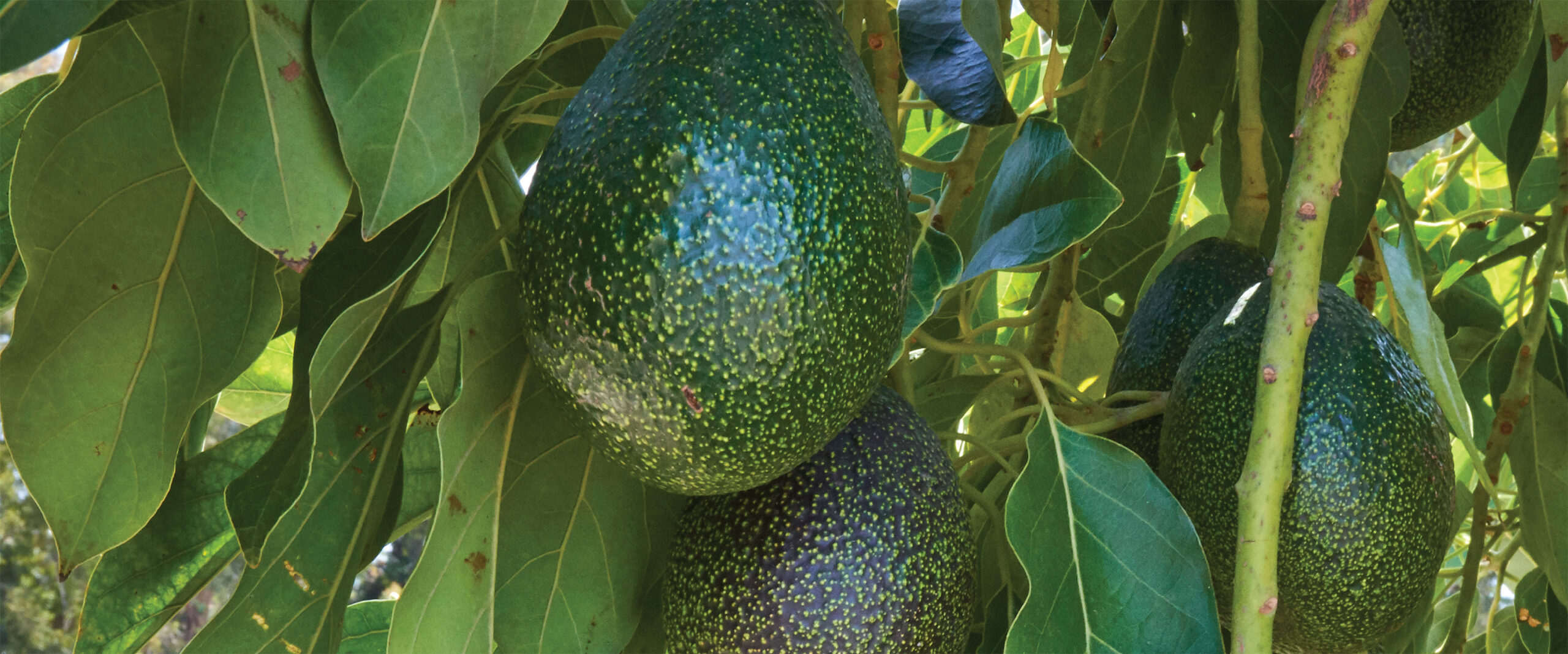
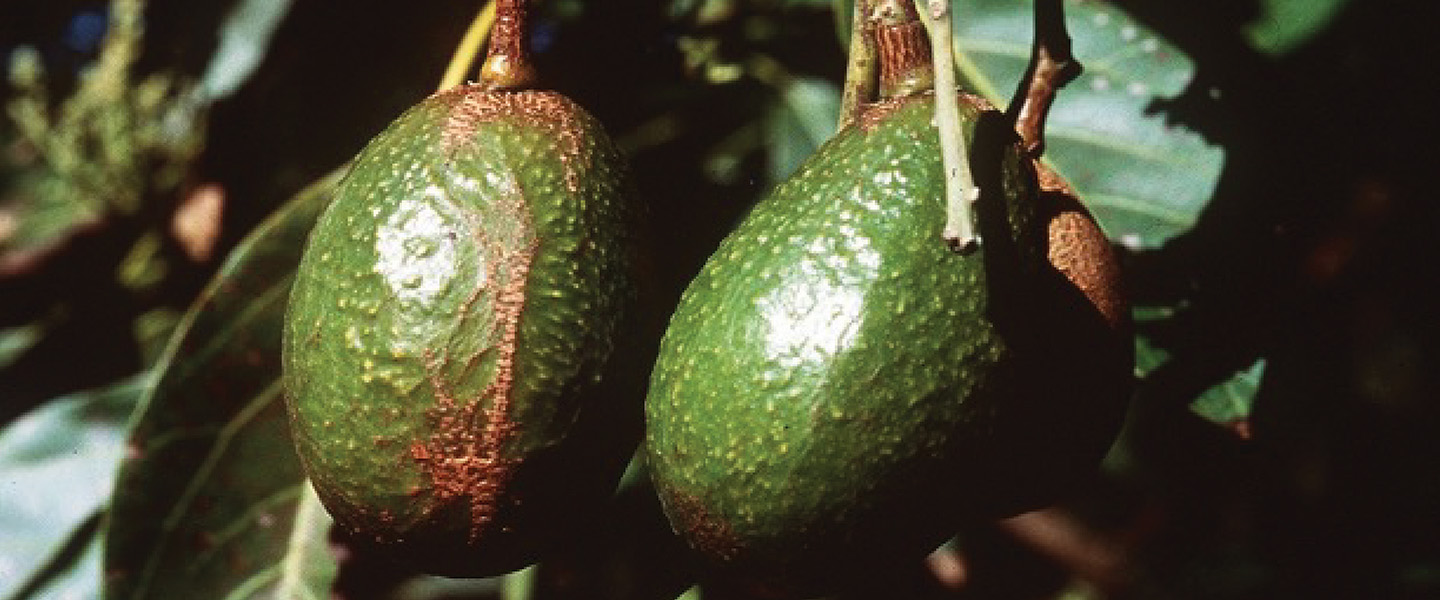
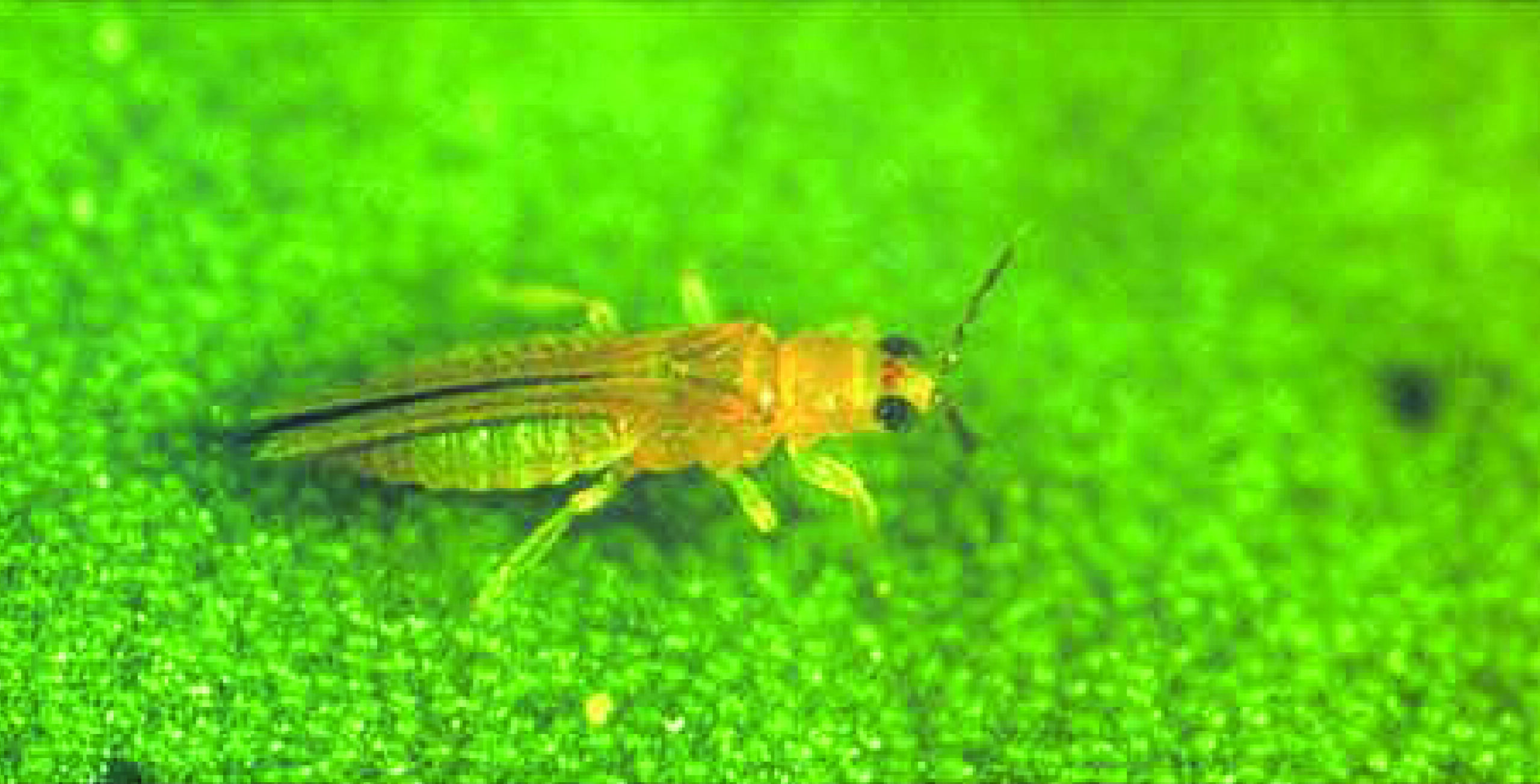
This year’s avocado harvest in coastal California has been ravaged by avocado thrips, the little insects that feast on newly set fruit and leave lasting scars. Cold, wet and foggy weather conditions in late spring 2023 are causing 2024’s crop to get downgraded due to the tell-tale tan skin blotches caused by avocado thrips.

“Thrips go after avocados the size of BBs or peas, up to large olives, and just two or three thrips will cause significant damage,” said Tom Roberts, a pest control advisor and own r of Integrated Consulting Entomology. “When the weather Is cold, it takes the fruit longer to size up, leaving it vulnerable to thrips for an extended period.”

This year’s harvest in coastal areas is the most thrips-damaged since the late 1990s, when avocados were first successfully treated for thrips with abamectin.

An (Im)Perfect Storm

Late spring into summer 2023 presented a perfect storm of conditions allowing for pernicious thrips to damage crops. Up and down the coast, cold, wet weather settled in. Conditions grounded applicator helicopters and prolonged the period for thrips to damage the crop.

“Thrips thrive in colder weather, but if it’s too cold, they are less active and less likely to contact treatments like abamectin, commented Roberts. “Even if the helicopters treated the crop for thrips, chilly insects were hidden away, rendering treatments ineffective. Pollinators also were lazy due to the cold, so the fruit set was delayed, extending the treatment window and making it less predictable.”

Cold weather also stunted fruit growth, so thrips outlasted the efficacy of abamectin. Firing up helicopters to treat for thrips a second time in early summer would cost upwards of $20,000, a sizable input to consider for farmers operating on tight margins.

Timing Treatments

Avocado thrips first became prevalent in California in the mid-1990s and wreaked havoc until growers got clearance to apply abamectin to the crop in 1997/98. At 50 gallons per acre, an application of abamectin will treat for thrips and protect the crop. It must be applied during the window when leaf flush is at about ½ to 2/3 of leaf expansion and the fruit is just setting. “Thrips need good leaf flush to build numbers,” Roberts said. Leaf flush was delayed in 2023, which likely slowed thrips population growth, but at the same time provided less surface for the abamectin to collect.

In a typical year, leaf expansion will hit the ½ to ½ mark around the time that fruit is setting. Thrips thrive in this period, when the fruit is so immature it’s still in the sepal, making a little home for the thrips. The insects like leaf flush as well, so they will come out of hiding and contact the treatment on the soft young leaves.

The ideal time for treatment will vary slightly by region and year. Your crop advisor or entomologist will know the best timing for treatment, and it’s important to get on the schedule. Helicopters are a limited resource, which can create scheduling challenges when the thrips window is “a moving target,” according to Roberts. Much of the growing region that is most vulnerable to thrips requires treatment in late May or early June.

Thrips do not like heat. If a heatwave strikes and temps climb over 86 degrees, a crop advisor might recommend holding off on thrips treatment. Heat will take down thrips populations and accelerate fruit growth and push it past thrips vulnerability.

“If the fruit is over an inch in diameter, it takes significantly more thrips to cause visible scarring,” noted Roberts.

Treatment Resistance And Protecting Good Bugs

Hindsight is 20/20, and Roberts notes that timely application of a pyrethroid most likely would have reduced thrips numbers quicker in 2023. Pyrethroids are contact materials that are more deadly than abamectin, but at the cost of also eliminating resident predaceous insects that are needed to naturally regulate pest populations like omnivorous looper and longtail mealybug. Protecting populations of good bugs in the orchard can be as important as timely treatments against bad bugs.

Resistance is another factor in deciding what material to use for thrips management. Insect experts, such as Dr. Joe Morse (U.C. Riverside), observe that thrips will likely develop a resistance to abamectin. Cycling in alternative treatments like sabadilla and spinosad could help to limit resistance to abamectin and assist in the long­ term fight against thrips.

Source: 
TOM ROBERTS, AGRICULTURAL BIOLOGIST; PCA. INTEGRATED CONSULTING ENTOMOLOGY (ICE)

Ask The Agronomist

Gerardo Adulante is a leading agronomist with over 25 years of experience working with global avocado producers located in USA, Chile, Peru, Brazil, Mexico and the Dominican Republic. Adulante serves as consultatory advisor to Index Fresh’s avocado partners and is industry collaborator passionate about cultivating best practices and efficient production. Adulante participates across the California avocado industry, providing education in conjunction with the California Avocado Society and California Avocado Commission.

We sat down with Gerardo this spring to learn about what is happening with the California crop and how he is working with growers to prepare for the future.

Thanks Gerardo for your time and insights!

Q: HOW ARE YOU PARTNERING WITH LOCAL CALIFORNIA GROWERS IN 2024 AND HOW IS THIS YEAR’S CROP UNIQUE?

Gerardo: I’ve had the pleasure of working closely with California growers as a consultant with Index Fresh for the past 6+ years and spend about 15 – 20 weeks in California during critical time periods throughout the season. I am wrapping up my Spring visit now, which typically spans from March through April. I will be returning for a stint this Summer and another this Fall during key culture events.

I characterize this spring visit as full of decisions, decisions, decisions! March through April is when we make the foundational plans for the rest of the year. We plan irrigation, fertilization, pollination, harvest and pruning execution. All these strategies work in tandem and the decisions not only impact this season’s crop but ultimately pave the way to equipping the crops and farm teams with the best chance for success in the year to come.

The past winter and this spring have been unseasonably cold and wet. This leaves us in a bit of a waiting game of when to harvest, when to apply fertilizers and how to best leverage irrigation in this unusually humid atmosphere. There are some similarities between the last two winters (both relatively cold and wet). How the climate was managed in the past year translates to how the trees are behaving this season. We’re taking all these factors into consideration, keeping a close eye on the temperature, and making plans that will be implemented over the next 9 months.

Q: WHAT CHALLENGES ARE YOU SEEING CALIFORNIA GROWERS FACE WITH THIS YEAR’S CROP?

GA: A big challenge this year is ‘the overlap’. The waiting game I mentioned before is necessary this season but creates an overlap between the initial harvest and the second flowering. Ideally, we have clean breaks between first harvest, second flowering and second harvest. What we see now is that we are waiting longer for the first harvest due to weather and the second flowering is simultaneously underway. There is a notion with some growers that they can skip the first harvest, perhaps to wait for better market conditions or other reasons and capitalize on the second harvest. By not harvesting you’re not only gambling that the market will drive a higher price, but also that the tree will not be stressed by the delay. I understand the desire to harvest around the market, nevertheless, what I have seen is that it’s not worth it, you end up doing more damage to the trees by not harvesting. Maybe not immediately, but the practice takes its toll on the plant. Spring is when these tough decisions need to be considered and made, which is why I spend a significant amount of time working with growers in these early months because it’s very hard to course correct bad decisions in the Summer or Fall.

Q: WHAT ARE SOME WAYS YOU SEE GROWERS MITIGATING THESE CHALLENGES?

GA: I cannot emphasize enough the benefit of having a plan. From the time we make our first harvest the plants are using an incredible amount of energy. By having a smart harvesting plan for both the first and second harvests, we’re going to limit the energy exertion which in turn will benefit the plant later in the season.

In addition to harvest, right now growers are also focused on

1. Irrigation 2. Fertilization and 3. Pollination. We’re evaluating a similar question set and it varies grower by grower. Where? When? How Much? In the case of pollination, I’ve been working with beekeepers on the best location, how many hives per acre and when to implement their pollination plans. If growers do not have a beekeeper on staff, Index Fresh has bee specialists we work with across the different regions that can support growers who are newer to pollination culture.

If you’ve worked with me for some time, you’ve heard me talk about “Friendly Trees”. Growers who are cultivating “Friendly Trees” have kept trees that are efficient for harvesting, spraying, and pruning. They may not be the biggest trees, but growers who have prioritized “Friendly Trees” are getting in front of many challenges.

Q: WHAT WAYS ARE YOU HELPING GROWERS PLAN FOR THE FUTURE?

GA: I am really inspired by how now more than ever I see proactive growers who are seeking out new tools and cultivation strategies to improve their business. Not only are they curious about what different methods are available but they are not afraid to implement something new to their process.

One area of focus that really points to the future is partnering with growers to implement simple but effective record keeping that allows us to report on behaviors, track trends and evaluate results. This can look as simple as noting how much nitrate fertilizer was used, when, and where. Come next season this information can provide insights around the yield and what were the contributing factors. It’s not just a matter of yield; it’s also a cost reduction tool. We have reports that help track expenditures (inputs, labor, etc.) and over time we can analyze what was spent and where we can be more cost efficient. It does take discipline, that said, we’ve really homed in on a tool set that is easy to use and analyze.

Q: WHEN WILL YOU BE BACK IN CALIFORNIA THIS YEAR AND WHAT WILL YOU BE FOCUSED ON DURING YOUR NEXT TRIP?

GA: I will be back in California for the month of July and into early August. This trip will be focused on tactics to help the trees recuperate after the second harvest. This recovery period is critical to the plant health and 2025 season performance. Alongside our growers we evaluate what we can do to promote the recuperation of the trees. Fertilizer, irrigation and pruning strategies all contribute to the recuperation of the trees. Without the critical resources the trees will either not flower or flower very little come February – March 2025. Our strategies are circular, and each season is key to the next.

Food Safety Spotlight: CDFA Produce Safety Rule Inspections 

Pictured: Lisa Strickland, Food Safety Field Representative

Here’s the need-to-know details on random CDFA Produce Safety Rule Inspections happening now with California avocado growers and packers.

What’s happening?

  • CDFA is conducting Produce Safety Rule Inspections of California avocado ranches and packhouses to ensure compliance with FSMA (FDA Food Safety Modernization Act).
  • Inspections started in 2021 and we’ve continued to see inspections this season amongst our grower community.

How it works?

  • A CDFA auditor will contact you to set an inspection appointment within 30 days of the initial engagement (typically phone call, followed by email). 
  • Growers/Packers are given a 2-week window to make the inspection appointment.
  • If you are unable to meet the 2-week window, you are given one opportunity to push back the inspection timeline. 

What’s involved?

Auditors provide a series of website links that gives information about inspection process and criteria. Inspection areas include:

  • Harvest Crews – food safety training, sanitization (gloves, ladders, clips, etc.), activity records
  • Additional Documentation – fertilization records, pesticide records
  • Water Systems

What happens if I don’t pass?

  • To date we have not seen any operators fined or shutdown due to non-compliance or gross negligence.
  • What we have seen is growers failing a portion of the inspection and then must follow-up with CDFA post inspection to show corrective action and prove compliance.
  • Real-life example: A harvest crew was not sanitizing the steps of their ladders resulting in a non-compliance demerit. The rancher had to then document that a policy had been implemented to sanitize ladder steps to avoid a fine and pass inspection. 

What can I do to prepare and pass my inspection?

  • If you are GFS Certified, most likely you are in full compliance and have records that meet the CDFA Produce Safety Rule Inspection requirements.
  • If you are not GFS Certified let Index Fresh help you prepare for your inspection! Index Fresh will meet with you prior to your inspection to review records and inspection protocols. If timing works with your inspection appointment, Index Fresh’s Food Safety Field Representative, Lisa Strickland, will help facilitate the on-site inspection.