
The Insider | Summer 2025 

Dear Growers, 

I am pleased to share that California has enjoyed a strong season so far, with prices remaining notably high for much of the year. While we experienced some price moderation in late July following the summer peak, this season—like last year—has been both prosperous and overwhelmingly positive. The steady demand and robust pricing continue to reflect the exceptional quality and premium reputation that California avocados command in the market.

The California crop estimate was revised from 375M to 340M lbs. in May, and the current trajectory looks to be on track to meet that mark. By late July, we’re nearly 80% through the season, with over 260M lbs. harvested. The South region saw exceptional gains, with harvest up 60% compared to last year.

We wrapped up the GEM season in early July, and it was a clear success. Fruit movement was steady, demand consistent, and Index Fresh closed with a record-high 51% GEM market share. Grower returns per bin were strong, overall quality looked good, and the California Crema GEM brand launch received enthusiastic retail response across the country.

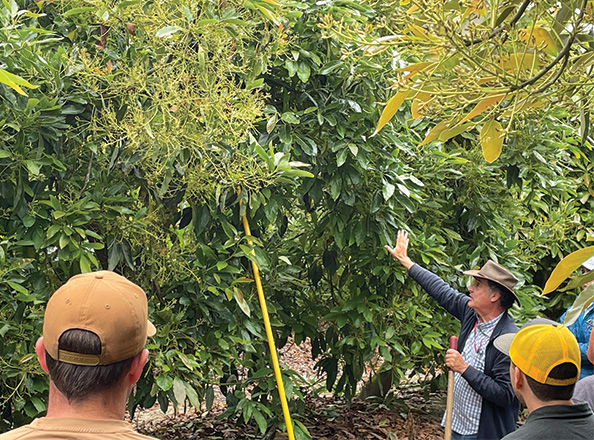
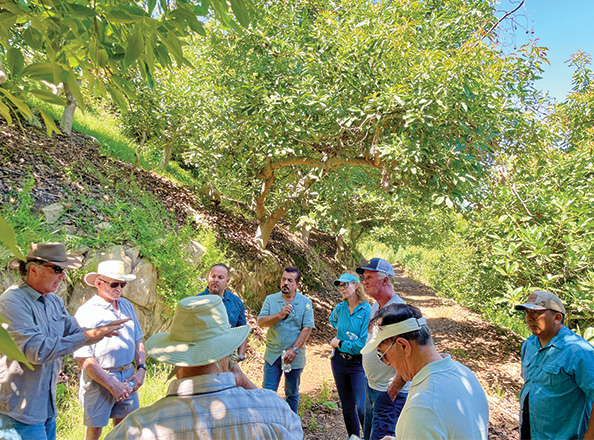
Weather has been largely stable, with no major spikes impacting the crop. I’d like to thank our agronomist, Gerardo Aldunate, for working closely with many of you to improve yields and implement new techniques. Gerardo and our Field Reps led an engaging series of Gather & Grow In-Field events in June and July, with more regional events planned this fall, including pruning and girdling demos.

Looking ahead, I’m excited about new acreage coming for 2026 and the strong prospects for next year’s Hass and GEM crops. Your partnership and commitment to California avocado excellence continue to inspire us. Thank you for your trust and the privilege of working alongside you.

Keith Blanchard

With appreciation,

Keith Blanchard

Summer 2025: Key Avocado Cultural Tips from Gather & Grow

As the summer season arrives across California’s avocado groves, it’s the perfect time to revisit best practices for tree health and fruit quality. In June and July, our team at Index Fresh hosted regional Gather & Grow in-field meetings to discuss pressing seasonal topics with growers. For those who couldn’t attend, we’re sharing the highlights and actionable tips below so your orchard can thrive through the critical months of July to September.

Understanding Phenology: Setting the Stage

Avocado trees are finishing the demanding flowering and fruit set phases. These have required significant tree energy. Now, exponential fruit growth begins, coinciding with key periods for shoot and root development. Your summer decisions will have a lasting impact on fruit size, yield, and tree vigor throughout the season.

Summer Cultural Practices for Success

Fertilizer Plan

  • The next 12 weeks mark rapid fruit growth—a stage of high demand for nutrients, especially nitrogen, potassium, and zinc.
  • Adjust your fertilizer applications to match both crop load and shoot growth. A targeted plan now supports both developing fruit and new canopy.

Irrigation Management

  • Well-timed, adequate irrigation is essential during early fruit development. Good water management reduces fruit drop and maximizes fruit set.
  • As temperatures rise, shorten intervals between irrigations to minimize stress and optimize fruit size. Monitor your soil moisture and tree needs closely.

Pruning Practices

Goals:  Improve light penetration, make harvesting safer and easier, streamline spray coverage, and ultimately maximize yield and fruit quality.

How-To:

  • Cut back the tallest branches to lower tree height.
  • Remove branches growing into adjacent trees or work alleys.
  • Eliminate poorly placed, crossing, or weak shoots.
  • Remove dead wood for canopy health.
  • Maintain a healthy balance between fruit- and leaf-producing shoots.
  • Protect newly exposed branches from sunburn with a water-thinned white paint.
  • Disinfect pruning tools between each tree to prevent disease transmission.

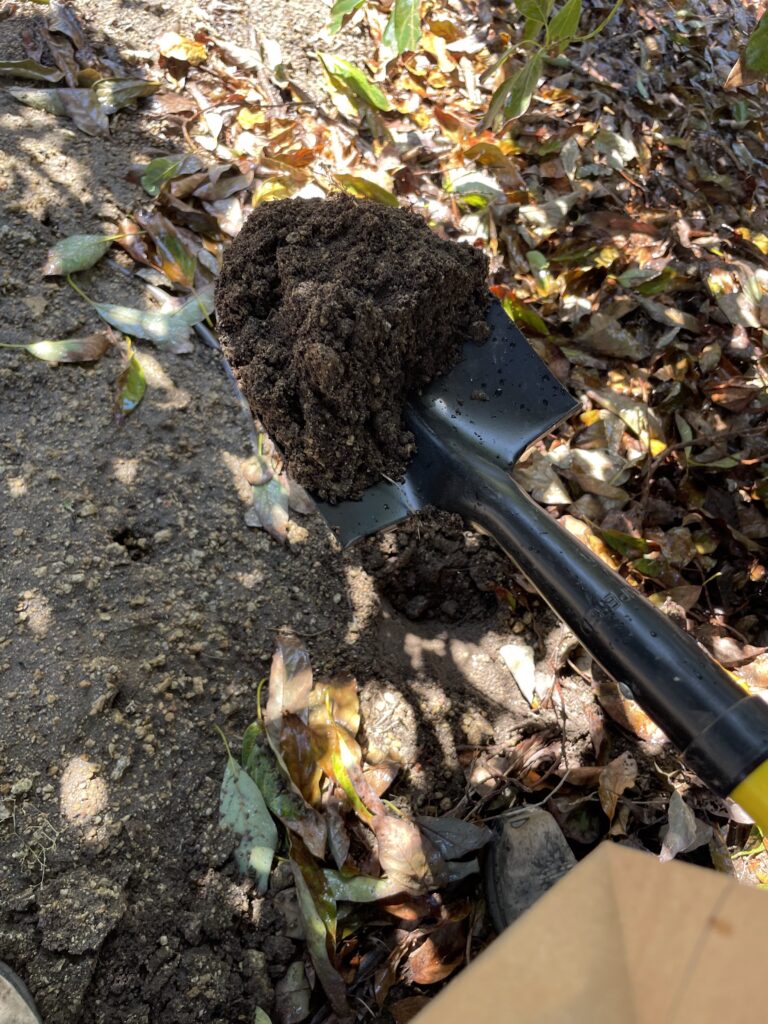
Mulching for Roots and Soil Health

Mulch renewal is timely now. A fresh layer:

  • Promotes fine root growth.
  • Suppresses Phytophthora root rot.
  • Improves vigor by keeping soils cooler and more moist, with better nutrient and water retention.

Heat Management Strategies

  • With peak summer heat possible, water is your first line of defense.
  • Apply up to 50% more than your typical irrigation volume the day before an anticipated heatwave.
  • Use shorter, more frequent irrigations during heat events to reduce crop stress and prevent fruit drop.

We encourage you to review these practices with your Field Representative and adapt them to your unique conditions. As always, Index Fresh remains available for consultation or in-grove advice—reach out if you would like personalized recommendations.

Here’s to a safe and productive summer!

By Gerardo Aldunate, Agronomist, Index Fresh

Beat the Heat with Overhead Sprinkler Systems

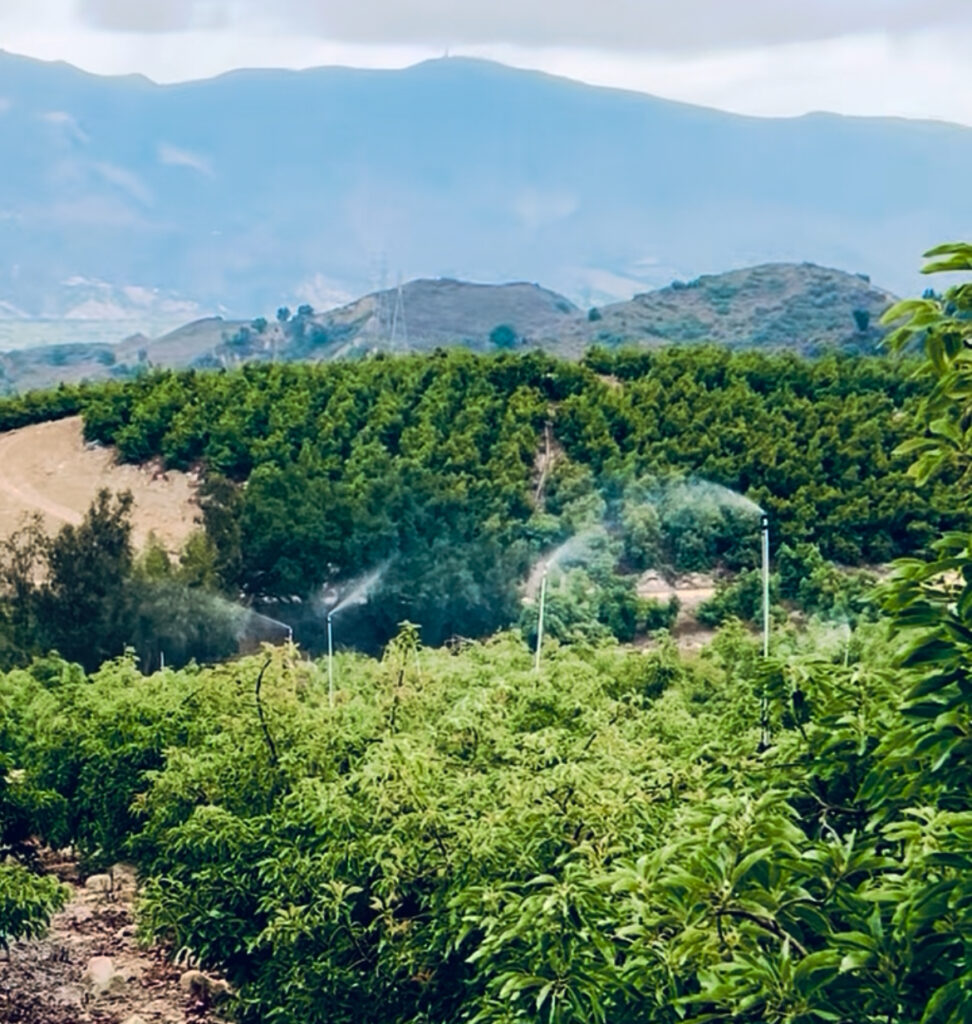
Overhead sprinkler systems are proving to be a powerful tool for protecting avocado orchards from extreme heat. Research has shown that using these systems can drop the air temperature around avocado trees by 7–12°F, providing a critical buffer against heat waves that can cause stressed trees to shut down and crops to suffer severe damage (Miller et al., 1963; Lomas and Mandel, 1973). More recently, a 2022 study published in Nature documented how Israeli researchers saw up to a 100% increase in avocado yields when using canopy-cooling systems during heat spikes. In trials across three Israeli orchards—where temperatures soared to 113°F—overhead irrigation reduced air temperature by 18–21°F and boosted relative humidity by 16–18%. While the concept isn’t new or particularly high tech, the adoption of overhead sprinklers in avocado farming is on the rise as growers seek practical strategies to mitigate the growing challenge of extreme heat.

Evapotranspiration is the key process at work. As plants transpire, they release water vapor through their leaves, cooling the surrounding air—a natural effect similar to condensation on a cold glass. Overhead sprinklers amplify this cooling by adding moisture directly to the orchard environment, resulting in even greater temperature reductions and increased relative humidity.

At Brokaw Ranch Company in Santa Paula, nearly 50 acres are equipped with overhead sprinklers—an investment in preparation for the inevitable 100-degree days of August and September. Ranch Manager Nathan Lurie reports that the system is effective, and the ranch now considers overhead sprinklers standard practice with all new plantings.

Hot temps trigger avocado trees to close their pores

When temperatures rise above 88°F, avocado trees will start to enter the danger zone. Their stomates—leaf pores crucial for gas exchange—close to conserve water under intense heat and low humidity. This defense mechanism, however, restricts both water uptake and respiration, stunting photosynthesis. If these high temperatures persist, trees can experience fruit drop, reduced yields and size, and, in extreme cases, fatal stress. Because avocados are tropical trees with shallow root systems, they are especially sensitive to heat events, which are becoming increasingly common in California’s avocado regions.

According to Lurie, advances in weather forecasting allow growers to anticipate and prepare for heat waves with precision. One of the best preventive measures is to increase ground irrigation in the days ahead of a forecasted heat spike. During a heat event, orchards equipped with overhead sprinklers, like Brokaw’s, activate the system hours before temperatures reach their peak. Water supply and pressure limitations mean not all orchard sections can be irrigated simultaneously, so the sprinklers are cycled in advance to rotate through each section.

The overhead sprinkler system, 16 sprinklers per acre, disperses large droplets for about 15 to 20 minutes in each area—just enough to ensure the canopy is evenly moistened. Lurie explains that this system strikes an optimal balance: it maximizes canopy coverage while still conserving water.

The overhead sprinklers complement increased ground irrigation. By cooling the canopy, the sprinklers help keep the stomates open, allowing trees to continue metabolizing and making use of the extra irrigation, instead of shutting down under heat stress.

Overhead sprinklers are especially vital for newly planted trees in heat-prone areas, giving them a greater chance to survive their critical establishment years. For mature trees, the system helps prevent crop losses and canopy/limb damage from severe sun burn.

“Overhead sprinklers help prevent loss from heat damage to the current crop and often next year’s crop. In extreme heat, you could be looking at limb damage and reduction of crop even two to three years out,” notes Lurie.

While growers in other crops have used overhead sprinklers for decades to mitigate heat and frost, avocado growers are only now widely adopting this technology. Much of the foundational research comes from Israel, where heat challenges mirror those California now faces—especially in the southern regions and inland Ventura County.

For growers considering this enhancement, Index Fresh Field Representatives can assist in evaluating and implementing overhead sprinkler systems, offering guidance where the return on investment may be substantial—particularly if the alternative could mean significant crop or tree loss.

2025 Gather & Grow In-Field Events

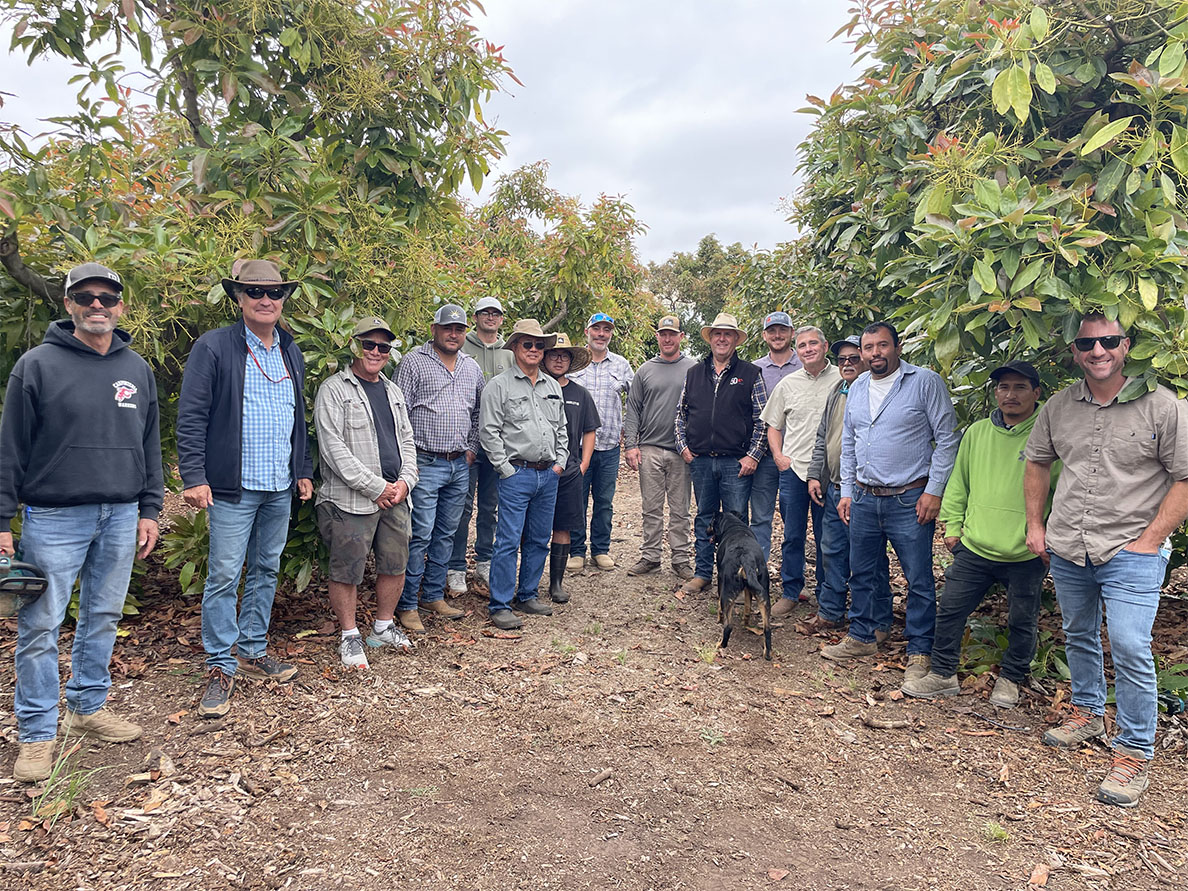
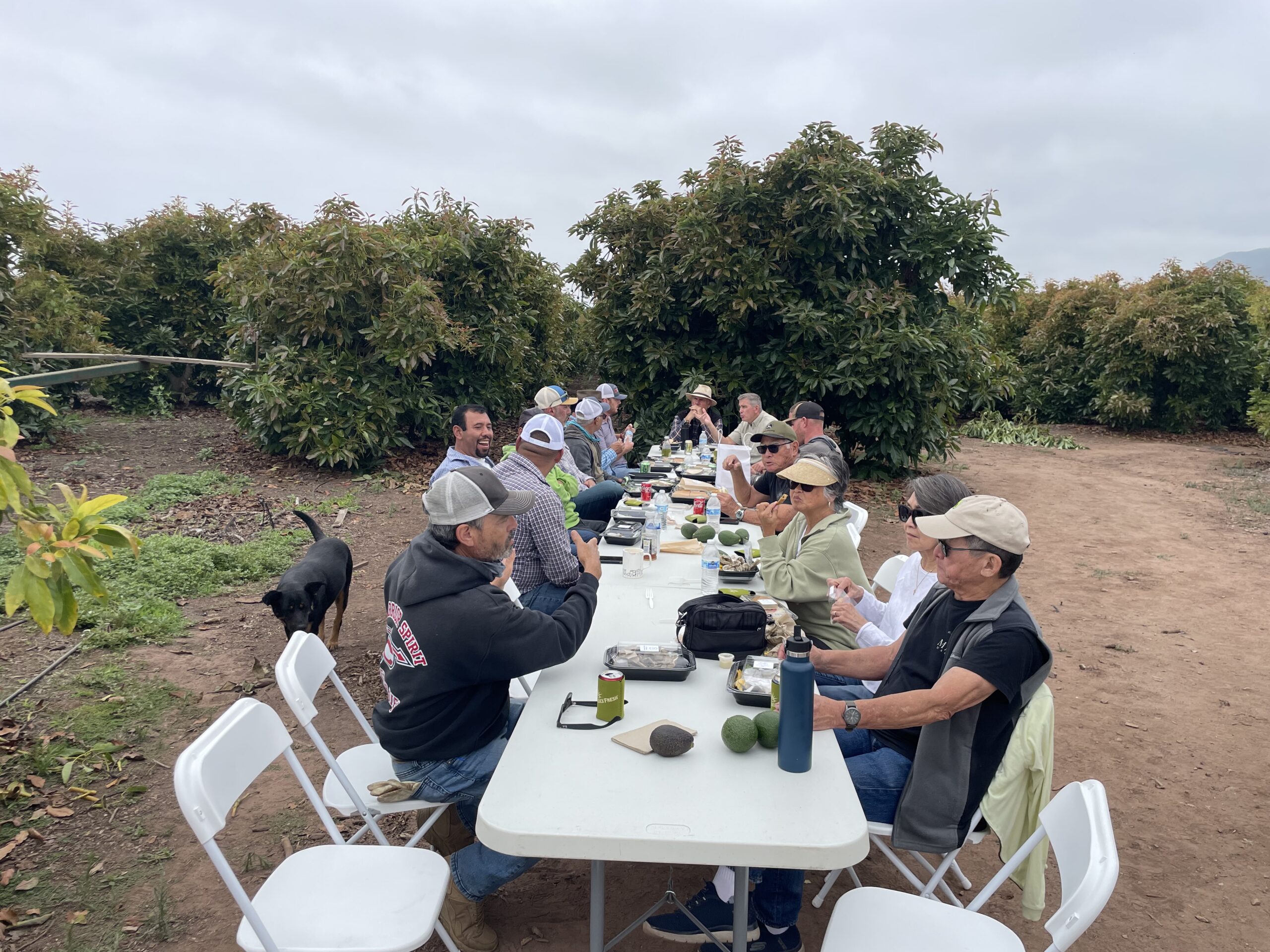
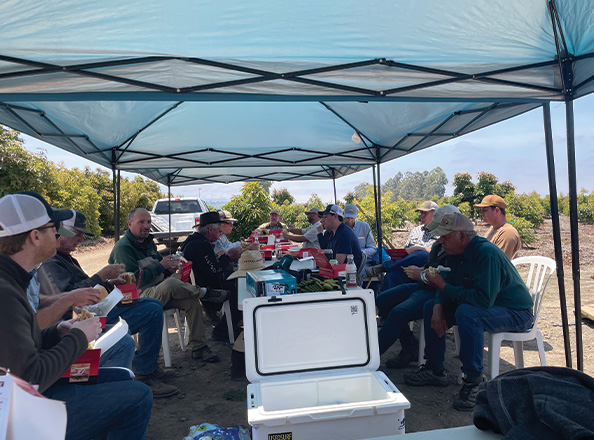
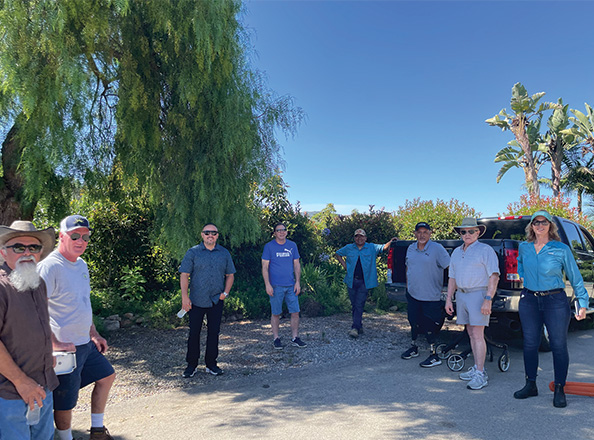
Welcome to our Gather & Grow Summer Series Gallery! This season, Index Fresh’s Field Team brought together California growers for hands-on, in-field learning and community-building. Guided by Agronomist Gerardo Aldunate Velasco, our sessions focused on practical skills like pruning techniques and heat mitigation strategies—all shared through live demonstrations and collaborative discussion.

Thank you to everyone who participated, supported, and helped make these events a success. We hope you enjoy these glimpses into our summer series and the vibrant community we’re growing together. Stay tuned for updates on future in-field events!

Avocado Orchard Spring Transition 

As we transition from winter to spring, crucial phenological processes begin in avocado orchards, particularly the Flowering and Fruit Set. These stages are critical precursors to the next harvest. To optimize tree health and productivity during this period, implement the following cultural practices: 

Fertilization 

  • Initiate fertilizer application to support flower development and fruit set 
  • Adjust fertilizer quantities based on flowering intensity 
  • Consider foliar applications of micronutrients to boost tree health 

Irrigation Management 

  • Maintain adequate soil moisture during flowering, fruit set, and early fruit development 
  • Monitor soil moisture levels regularly and adjust irrigation schedules accordingly 
  • Implement deficit irrigation strategies if water resources are limited, but avoid water stress 

Pollination  

  • Monitor flowering progression closely 
  • Introduce honeybee hives when approximately 10% of flowers have opened 
  • Consider supplemental pollination techniques in areas with insufficient natural pollinators 

Crop Load Management 

  • Assess fruit set and consider early thinning of excess fruit 
  • Remove small or damaged fruit to improve overall crop quality 
  • Balance crop load with tree vigor to prevent alternate bearing 

Pest And Disease Control 

  • Implement Avocado Thrips and Persea Mite control measures based on monitoring results 
  • Be vigilant for symptoms of root rot, which is most stressful to trees in spring 
  • Apply appropriate treatments if root rot is detected 
  • Monitor for other seasonal pests and diseases, such as fruit spotting bug or anthracnose 

Weed Management 

  • Control weeds to reduce competition for water and nutrients 
  • Use mulch or cover crops to suppress weed growth and improve soil health 
  • Time weed control to avoid competition with avocado flowers for pollinating insects

Orchard Floor Management 

  • Maintain a clean orchard floor to facilitate harvest operations 
  • Consider cover crops to improve soil structure and beneficial insect populations 
  • Manage ground cover to balance ecosystem services with practical orchard management 

By implementing these practices, growers can optimize tree health and productivity during the critical spring transition period, setting the stage for a successful avocado harvest.

By Gerardo Aldunate, Agronomist, Index Fresh 

The Insider | Spring 2025 

Dear Growers, 

The 2025 California avocado season began with great momentum in mid-January, marking an earlier start than usual. Thanks to a short supply of 48s from Mexico during January, we were able to work together to bring California fruit to market just in time to meet the heightened demand during the Super Bowl period. 

Early harvesting primarily consisted of size picks, but the favorable market conditions also allowed growers the opportunity to conduct maintenance and anti-theft picks at competitive price levels. 

Looking ahead, California is poised for a strong crop this year, with volumes expected to be similar to the 2024 season. Last year’s final numbers reached 386 MM pounds across all varieties. For 2025, initial estimates project 355 MM pounds of Hass avocados, 11 MM pounds of Lamb Hass, 8 MM pounds of GEM, and 1 million pounds of other varieties such as Reeds and green skins. 

The U.S. avocado market is currently facing notable challenges. Mexican supply has fallen short of meeting regular weekly demand, and recent tariff uncertainties have further tightened availability. These factors have created robust demand for California fruit at premium prices over the past several weeks. 

With ongoing uncertainty surrounding Mexican supply, retail buyers are increasingly turning to alternative sources to meet their needs. California avocados stand out for their quality, consistency, and reliability—making them a top choice for buyers nationwide. 

GEM avocados are also generating excitement among retailers. Our newly launched California Crema GEM campaign has already sparked enthusiasm from both new buyers and long-standing GEM customers eager to expand their programs. Please coordinate closely with your field representative to ensure a smooth harvest process. 

We’re excited to welcome Agronomist Gerardo Aldunate to Index Fresh full-time this April! With extensive expertise in avocado cultivation, Gerardo will be a valuable resource for our growers and team. Contact Gerardo at galdunate@indexfresh.com to schedule an in-field consultation. 

The Fresh Facts mobile app has been revamped with a sleek design and enhanced features. Growers can now access two years of historical price trends alongside the latest price quote and market insights. We’re committed to delivering cutting-edge tools— reach out with suggestions for future updates. 

Finally, I’d like to personally invite all growers and members of the avocado community to join us at our Grower Appreciation Lunches this May. These casual gatherings are a wonderful opportunity to connect, enjoy great food, and discuss the upcoming season. The lunches will be held on: 

  • May 6th in San Luis Obispo, Wayfarer Hotel 
  • May 7th in Ventura, Brokaw Nursery Long Canyon Ranch 
  • May 9th in Temecula, Temecula Creek Inn 
Keith Blanchard

With appreciation, 
Keith Blanchard

Look Out for Lace Bugs! 

Native to the southeastern United States, the avocado lace bug is a notable pest that causes damage to avocado trees. Its presence has been documented as far south as San Diego County and as far north as Ventura County. Here are some essential facts about this pest.

Lace Bugs

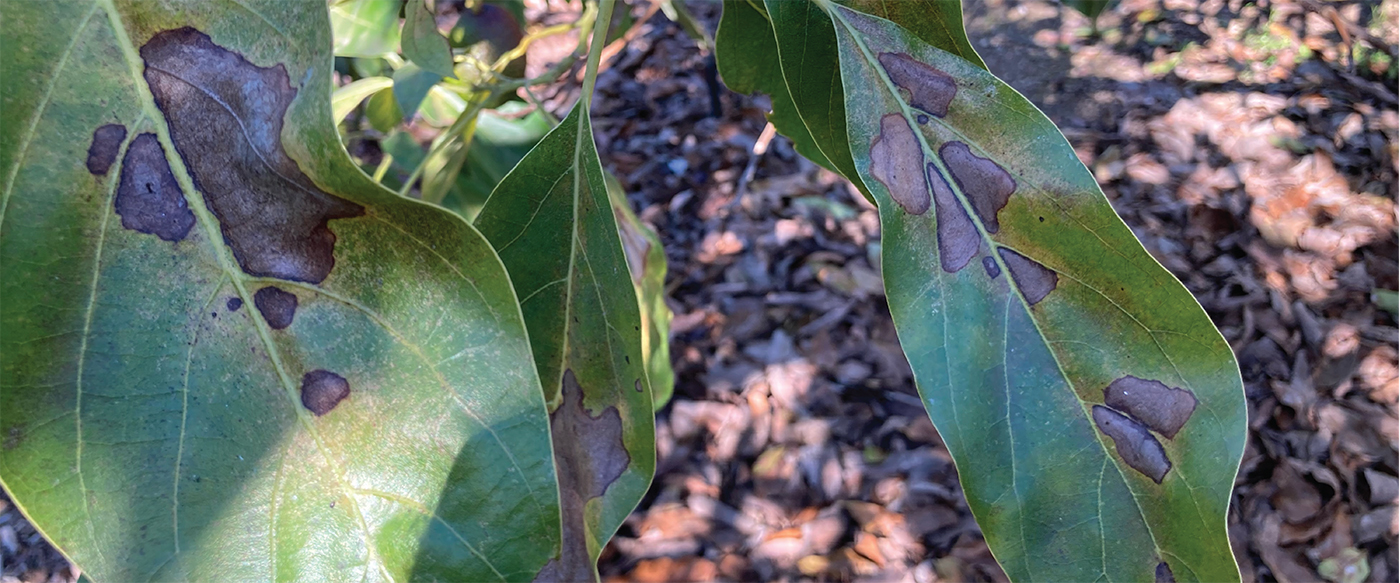
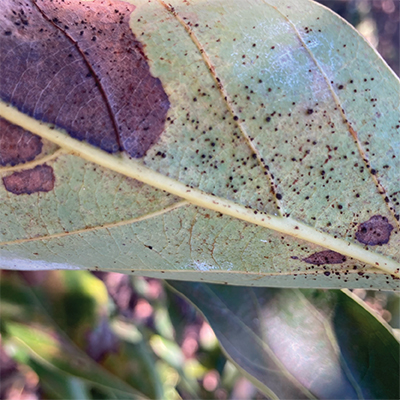
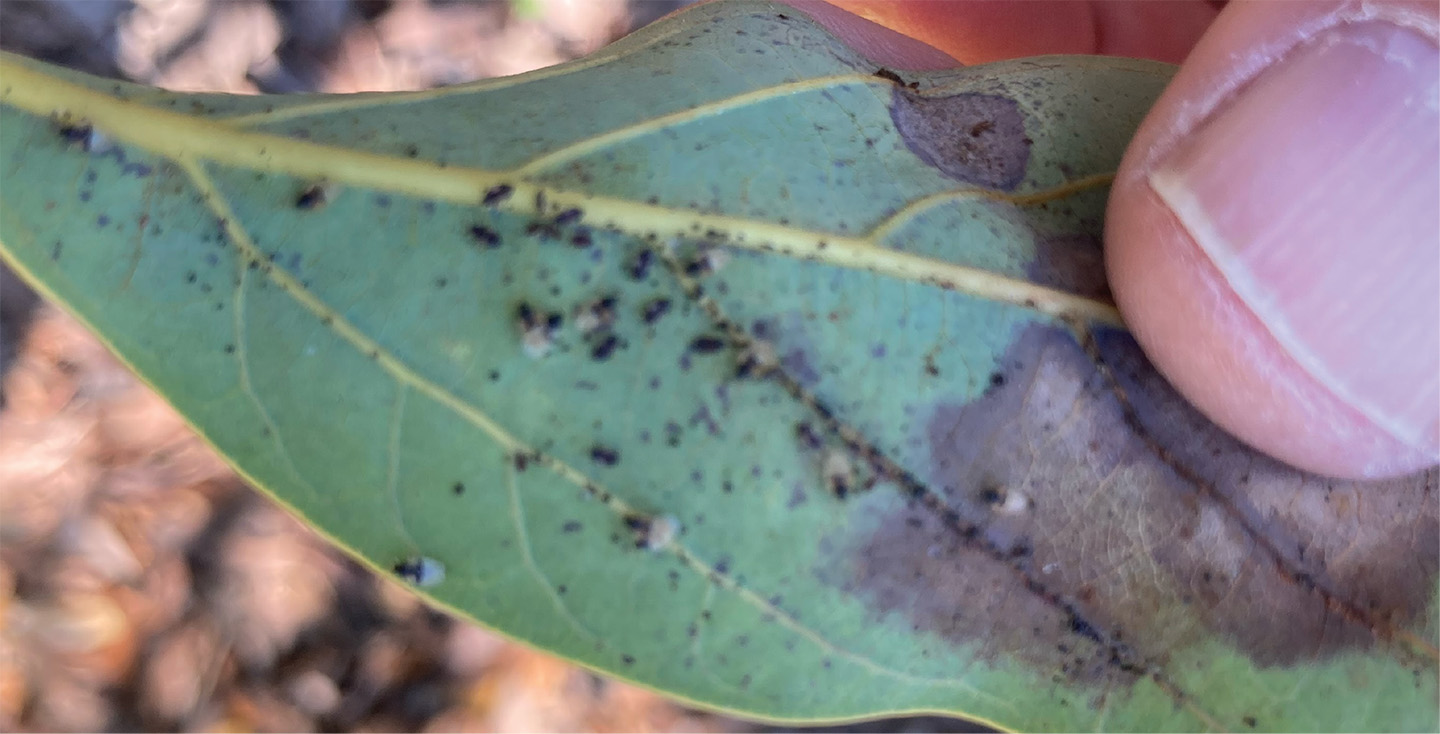
APPEARANCE: Eggs are laid in an irregular pattern, sometimes in loose rows, stuck to the lower leaf surface and are covered with irregular globules of a black, sticky, tar-like substance excreted by adults that may protect eggs from natural enemies. Eggs will appear like grains of black pepper. Adult avocado lace bugs are small, have clear, lacy wings (about 2mm long) with a single dark band on their bodies, yellow legs, and antennae. They are visible to the naked eye. 

LIFE CYCLE: Lace bugs are immobile most of the time. They feed on the underside of leaves, causing chlorotic blotches that can become necrotic. Severely damaged leaves may drop prematurely.

DAMAGE: Heavy lace bug feeding can lead to defoliation, sunburned fruit and wood, and stressed trees, potentially reducing yield. 

LOCATION: Lace bugs have been spotted in groves spanning from San Diego to Carpinteria. The lace bugs live in colonies on the lower surfaces of leaves, often with adults, eggs and nymphs together. 

OTHER HOSTS: Besides avocado trees, the lace bug also feeds on the camphor tree (Cinnamomum camphora).

TIMING: Lace bug populations tend to build in July, peak around September, and decline to low densities from January through May. Because they are largely immobile, they tend to disappear as older leaves drop off and the new leaves emerge during the spring flush

MANAGEMENT: Management strategies may include restrictions on the movement of host plant materials, insecticide screening trials, and evaluation of natural enemy releases. 

NATURAL ENEMIES: Green lacewing larvae were historically identified as natural enemies of avocado lace bug. However, recently Erico Ferro, PCA, notes he has not observed natural enemies feeding on any of the different stages of lace bug (egg, nymphs or adults) including lacewing larvae. Predators may feed on them but should not be relied on to control a population. 

PESTICIDES: There are several pesticides that can kill lace bugs and are tolerated by green lacewing larvae. 

CONTROL: UC recommends various products to help control lace bugs. To learn more about how to control the pest, email info@indexfresh. com for UC’s management guidance and evidence-based recommendations from PCA Enrico Ferro.

Lace Bugs

Sources

https://cisr.ucr.edu/invasive-species/avocado-lace-bug https://ipm.ucanr.edu/agriculture/avocado/avocado-lace-bug/ https://veseris.com/default/resources/post/avocado-lace-bug https://ceventura.ucanr.edu/index4.cfm/%3Ca?blogtag=avocado+lace+bug&blogasset=109383 https://biocontrol.ucr.edu/avocado-lace-bug https://www.californiaavocadogrowers.com/sites/default/files/2023-11/Avocado-lace-bug.pdf https://biocontrol.ucr.edu/media/591/download https://ipm.ucanr.edu/agriculture/avocado/ https://ipm.ucanr.edu/home-and-landscape/avocado-lace-bug/pest-notes/

Winter Cultural Tips For Avocado Trees

While avocado trees may appear dormant during winter, the winter season is crucial for the accumulation of carbohydrates, or energy , which supports the next growth cycle and fruit crop. Despite the apparent inactivity, both leaves and roots remain functional, and fruit continues to grow, albeit at a slower rate.

Optimizing tree conditions during this period is essential for achieving peak performance in the following spring. To ensure the best outcomes, growers should implement the following cultural practices:

Fertilization

  • Review the current fertilizer plan and analyze leaf sample results 
  • Develop and adjust the upcoming fertilization strategy as necessary 
  • Apply mulch to conserve soil moisture and provide organic matter

Pruning

  • Conduct maintenance pruning in frost-free areas to improve light penetration 
  • Remove dead wood before the rainy season to prevent disease spread

Irrigation

  • Adjust watering schedules to account for lower tree water demand
  • Perform irrigation system maintenance to ensure efficiency 
  • Implement leaching irrigations to prevent salt buildup in the soil

Frost and Rain Protection

  • Inspect and service wind machines for frost protection 
  • Enhance natural air circulation within the orchard
  • Assess and improve water drainage to prevent waterlogging

By focusing on these key areas, avocado growers can help their trees weather the winter months and set the stage for a productive spring season.

By Gerardo Aldunate, Agronomist, Index Fresh

Seminar Series: 27 Index Fresh, Irrigation Automation Recap

In October, the Index Fresh team took its show on the road, bringing experts in automated irrigation and Integrated Pest Management (IMP) to California growers. We held our annual seminar in San Luis Obispo, Ventura and Temecula, providing over 150 growers with an opportunity to learn about new tools to improve their growing practices and ultimately increase yield and revenue.

Read on for a taste of the irrigation automation presentations at Seminar 27. To learn more about Pest Control Advisor Tom Roberts’ detailed presentation on Avocado 1PM and for additional information about automated irrigation, watch the video recording at indexfresh.com/seminar/seminar-27/

Automated irrigation, why bother? “In my mind the number one reason to consider automation is to save time and money,” California avocado grower John Cornell told an audience of avocado growers at the Index Fresh Grower Seminar on Oct. 24.

Technology gains in agriculture in recent years have reduced the cost of installing and implementing automated irrigation. A number of companies offer automated systems, and the products range from relatively straightforward to highly sophisticated. What they all have in common is the ability to improve precision and reduce labor – both of which benefit the grower’s bottom-line.

Research conducted by Andre Biscaro, Irrigation and Water Resources Advisor with U.C. Cooperative Extension, demonstrates that most growers over-irrigate early in the season and under-irrigate late in the season. This trend is a product of guesswork related to how much and how often to irrigate. Sensors and automation help to reduce the guesswork and allow for application of the proper amount of water and fertigation at the proper time. As a result, stress is reduced, health improves, and yield increases.

Labor savings can be significant when irrigation is automated. By programming and remotely monitoring irrigation with a smartphone, growers can tailor timing and volume of water applications to parts of their grove with different needs. “An automated system saves a tremendous amount of time compared to having workers running around turning water off and on,” Cornell noted.

Automation doesn’t mean full time farming from your phone, but its two-way communication can prevent costs associated with some of the unpredictable aspects of farming. Cornell relies on a system that shuts down immediately when there’s a break in a line. “You’re not going to wake up surprised at 5 a.m. to find that 10,000 gallons of water have washed away,” he said.

Climatic data from weather stations can be programmed into many of the automated systems available to growers, and Biscaro pointed out that weather stations inform irrigation rates specific to climate and soil conditions across various avocado growing areas. Soil type is also taken into account to ensure that transpiration rate and water holding capacity are both factored into irrigation rates.

By assisting growers in finding the sweet spot for irrigation- not too much and not too little – automated systems conserve water and reduce fertigation costs. When the tree is provided the right amount of fertigation, wasteful fertilizer run-off becomes a non-issue.

Along with improved yield and lower costs, a major benefit of automated systems is enhanced record keeping. Abundant data is available through many of the systems on the market today, and this information, particularly when captured over time, can instruct decisions that further benefit tree health and productivity.

Technological improvements have made irrigation automation more affordable, and Cornell stressed that the benefits quickly outpace the cost. “I’m a bit of a penny pincher,” he said, “so I really do my research.”

New Assessment Rate For California Avocado Growers

The California Avocado Commission (CAC) has announced important changes to the assessment rate for the 2024-25 season. Here’s what you need to know:

Assessment Rate Change

The CAC Board of Directors has approved a new assessment rate of $0.005 (half a cent) per pound on all California-grown avocado varieties. NOTE: THE 2024-25 CAC ASSESSMENT IS A FIXED RATE PER POUND (not a percent of value). The 2023- 24 assessment was 2.25% of the value.

Who Needs To Pay?

All avocado producers in California are required to pay this assessment, with one exception. Growers who have produced an average of less than 10,000 pounds of avocados annually over the past three marketing years are exempt.

If you have any questions concerning the assessment for the 2024-25 crop year or the reporting and payment procedures, please contact CAC Accounting at: accountspayable@avocado.org or call (949) 341-1955.