
Tips For Avocado Thrips: This Year’s Crop Damage Is Worst Since 1990s

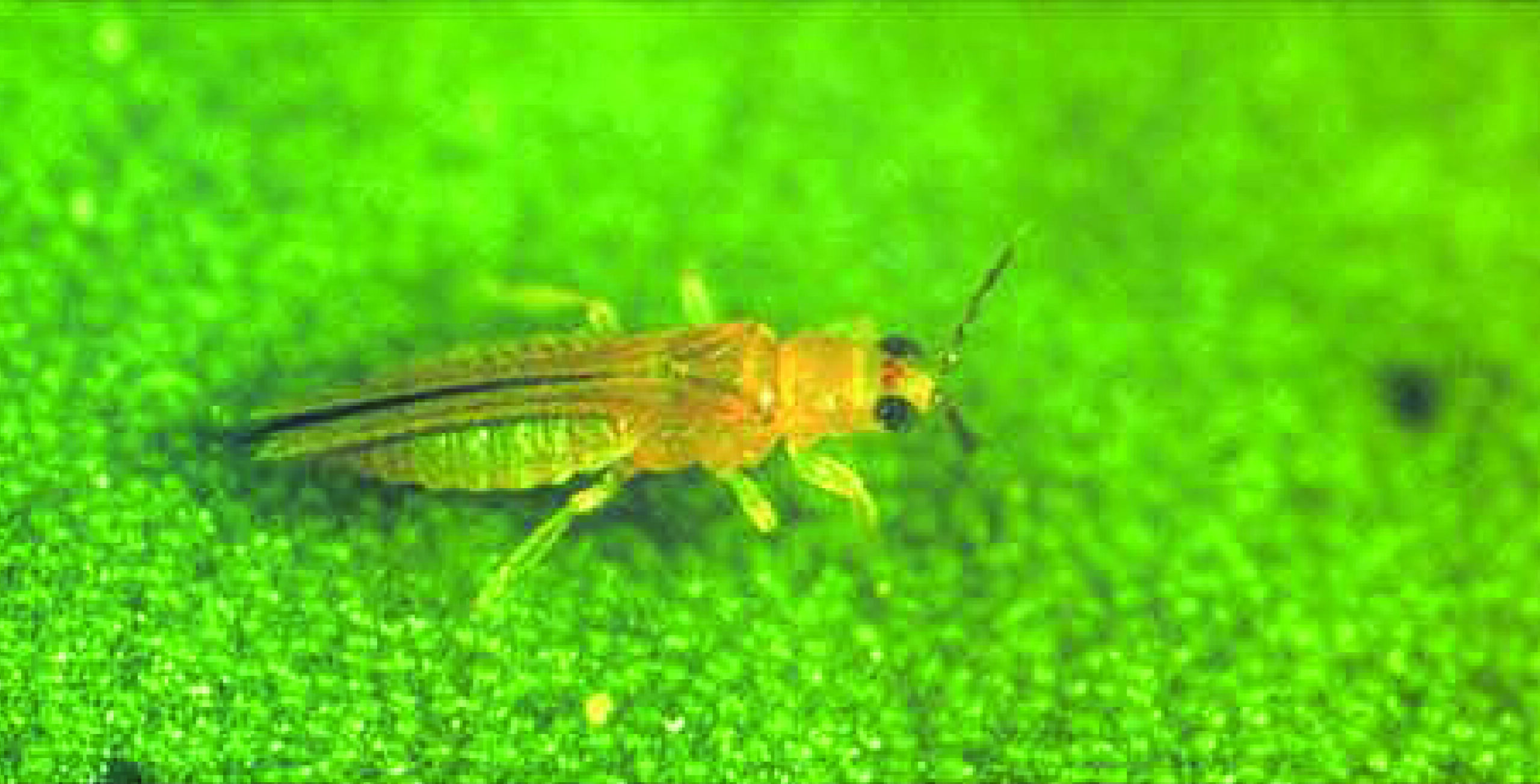
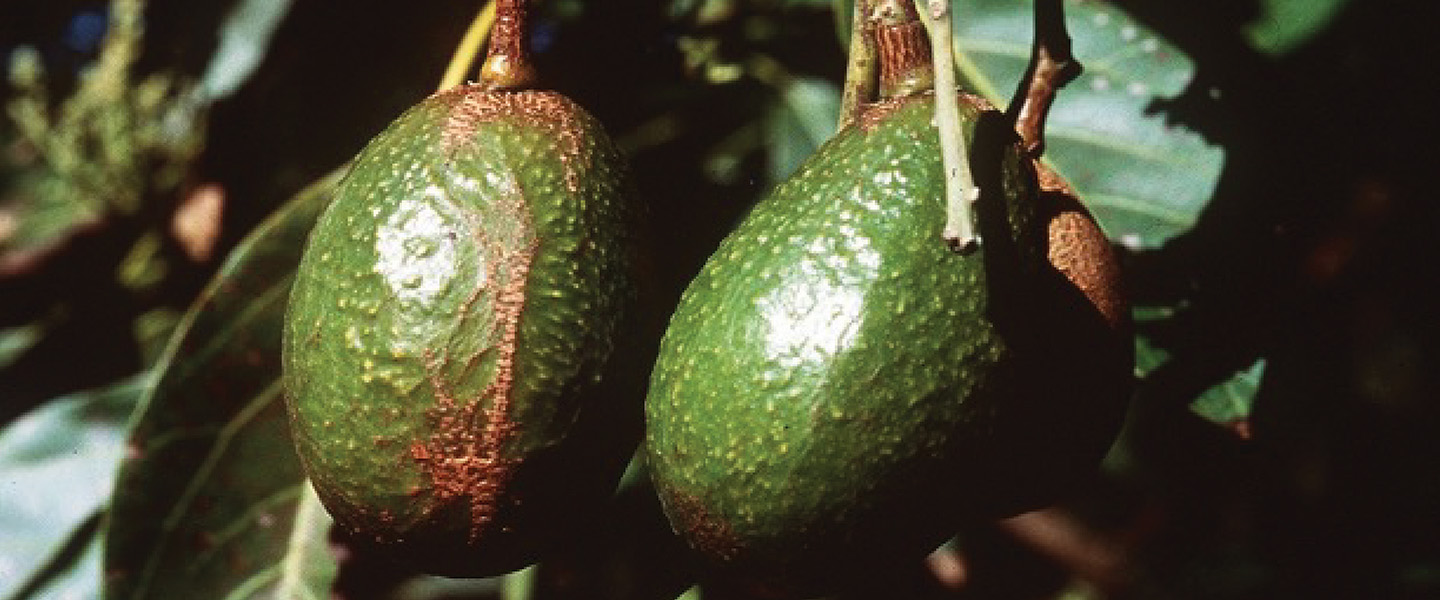
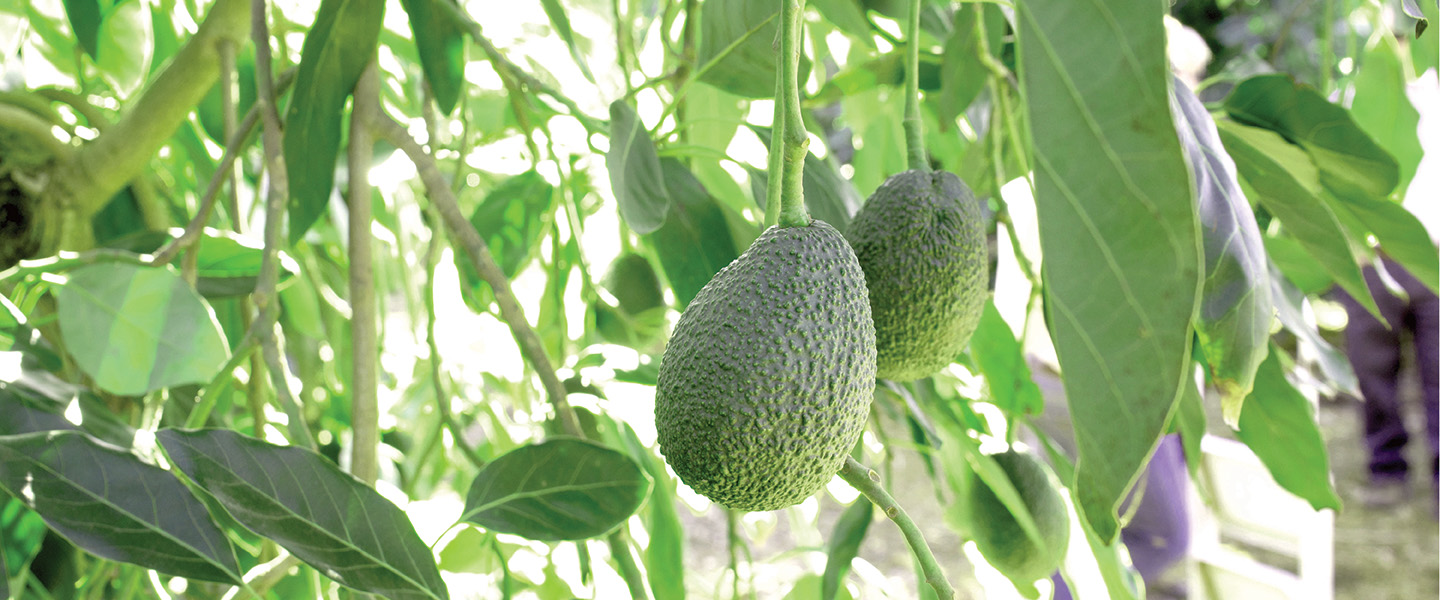
This year’s avocado harvest in coastal California has been ravaged by avocado thrips, the little insects that feast on newly set fruit and leave lasting scars. Cold, wet and foggy weather conditions in late spring 2023 are causing 2024’s crop to get downgraded due to the tell-tale tan skin blotches caused by avocado thrips.

“Thrips go after avocados the size of BBs or peas, up to large olives, and just two or three thrips will cause significant damage,” said Tom Roberts, a pest control advisor and own r of Integrated Consulting Entomology. “When the weather Is cold, it takes the fruit longer to size up, leaving it vulnerable to thrips for an extended period.”

This year’s harvest in coastal areas is the most thrips-damaged since the late 1990s, when avocados were first successfully treated for thrips with abamectin.

An (Im)Perfect Storm

Late spring into summer 2023 presented a perfect storm of conditions allowing for pernicious thrips to damage crops. Up and down the coast, cold, wet weather settled in. Conditions grounded applicator helicopters and prolonged the period for thrips to damage the crop.

“Thrips thrive in colder weather, but if it’s too cold, they are less active and less likely to contact treatments like abamectin, commented Roberts. “Even if the helicopters treated the crop for thrips, chilly insects were hidden away, rendering treatments ineffective. Pollinators also were lazy due to the cold, so the fruit set was delayed, extending the treatment window and making it less predictable.”

Cold weather also stunted fruit growth, so thrips outlasted the efficacy of abamectin. Firing up helicopters to treat for thrips a second time in early summer would cost upwards of $20,000, a sizable input to consider for farmers operating on tight margins.

Timing Treatments

Avocado thrips first became prevalent in California in the mid-1990s and wreaked havoc until growers got clearance to apply abamectin to the crop in 1997/98. At 50 gallons per acre, an application of abamectin will treat for thrips and protect the crop. It must be applied during the window when leaf flush is at about ½ to 2/3 of leaf expansion and the fruit is just setting. “Thrips need good leaf flush to build numbers,” Roberts said. Leaf flush was delayed in 2023, which likely slowed thrips population growth, but at the same time provided less surface for the abamectin to collect.

In a typical year, leaf expansion will hit the ½ to ½ mark around the time that fruit is setting. Thrips thrive in this period, when the fruit is so immature it’s still in the sepal, making a little home for the thrips. The insects like leaf flush as well, so they will come out of hiding and contact the treatment on the soft young leaves.

The ideal time for treatment will vary slightly by region and year. Your crop advisor or entomologist will know the best timing for treatment, and it’s important to get on the schedule. Helicopters are a limited resource, which can create scheduling challenges when the thrips window is “a moving target,” according to Roberts. Much of the growing region that is most vulnerable to thrips requires treatment in late May or early June.

Thrips do not like heat. If a heatwave strikes and temps climb over 86 degrees, a crop advisor might recommend holding off on thrips treatment. Heat will take down thrips populations and accelerate fruit growth and push it past thrips vulnerability.

“If the fruit is over an inch in diameter, it takes significantly more thrips to cause visible scarring,” noted Roberts.

Treatment Resistance And Protecting Good Bugs

Hindsight is 20/20, and Roberts notes that timely application of a pyrethroid most likely would have reduced thrips numbers quicker in 2023. Pyrethroids are contact materials that are more deadly than abamectin, but at the cost of also eliminating resident predaceous insects that are needed to naturally regulate pest populations like omnivorous looper and longtail mealybug. Protecting populations of good bugs in the orchard can be as important as timely treatments against bad bugs.

Resistance is another factor in deciding what material to use for thrips management. Insect experts, such as Dr. Joe Morse (U.C. Riverside), observe that thrips will likely develop a resistance to abamectin. Cycling in alternative treatments like sabadilla and spinosad could help to limit resistance to abamectin and assist in the long­ term fight against thrips.

Source: 
TOM ROBERTS, AGRICULTURAL BIOLOGIST; PCA. INTEGRATED CONSULTING ENTOMOLOGY (ICE)
Ask The Agronomist

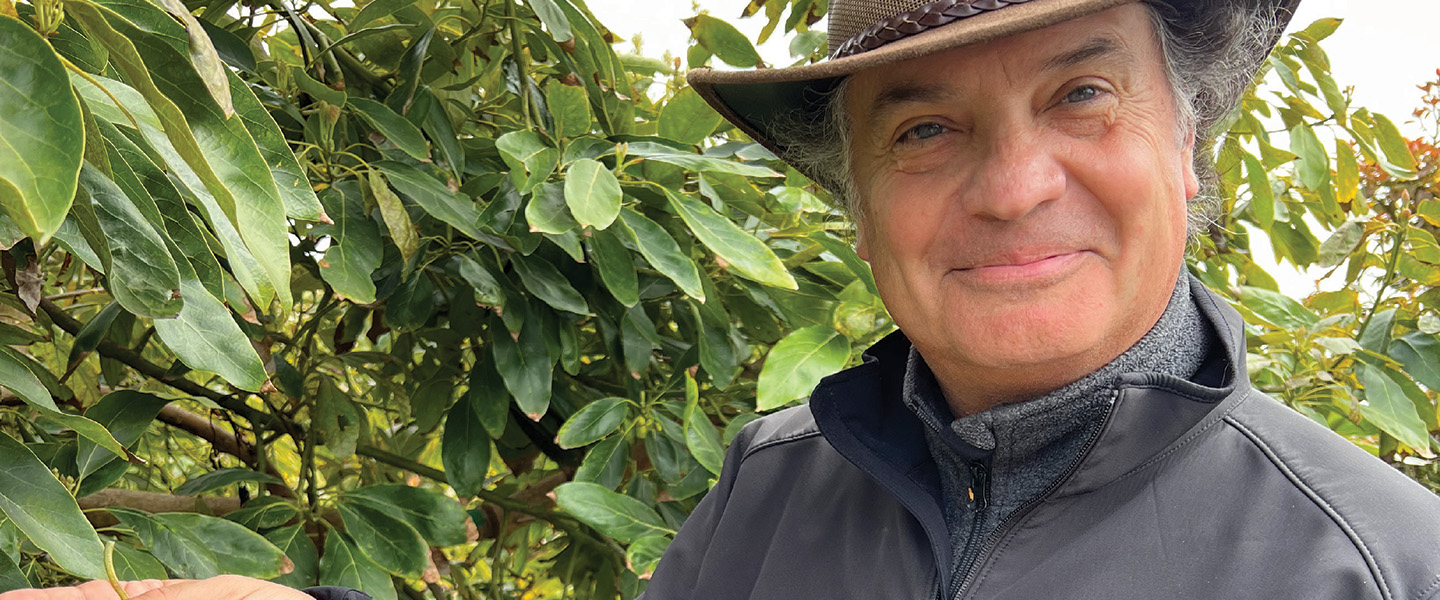
Gerardo Adulante is a leading agronomist with over 25 years of experience working with global avocado producers located in USA, Chile, Peru, Brazil, Mexico and the Dominican Republic. Adulante serves as consultatory advisor to Index Fresh’s avocado partners and is industry collaborator passionate about cultivating best practices and efficient production. Adulante participates across the California avocado industry, providing education in conjunction with the California Avocado Society and California Avocado Commission.

We sat down with Gerardo this spring to learn about what is happening with the California crop and how he is working with growers to prepare for the future.

Thanks Gerardo for your time and insights!

Q: HOW ARE YOU PARTNERING WITH LOCAL CALIFORNIA GROWERS IN 2024 AND HOW IS THIS YEAR’S CROP UNIQUE?

Gerardo: I’ve had the pleasure of working closely with California growers as a consultant with Index Fresh for the past 6+ years and spend about 15 – 20 weeks in California during critical time periods throughout the season. I am wrapping up my Spring visit now, which typically spans from March through April. I will be returning for a stint this Summer and another this Fall during key culture events.

I characterize this spring visit as full of decisions, decisions, decisions! March through April is when we make the foundational plans for the rest of the year. We plan irrigation, fertilization, pollination, harvest and pruning execution. All these strategies work in tandem and the decisions not only impact this season’s crop but ultimately pave the way to equipping the crops and farm teams with the best chance for success in the year to come.

The past winter and this spring have been unseasonably cold and wet. This leaves us in a bit of a waiting game of when to harvest, when to apply fertilizers and how to best leverage irrigation in this unusually humid atmosphere. There are some similarities between the last two winters (both relatively cold and wet). How the climate was managed in the past year translates to how the trees are behaving this season. We’re taking all these factors into consideration, keeping a close eye on the temperature, and making plans that will be implemented over the next 9 months.

Q: WHAT CHALLENGES ARE YOU SEEING CALIFORNIA GROWERS FACE WITH THIS YEAR’S CROP?

GA: A big challenge this year is ‘the overlap’. The waiting game I mentioned before is necessary this season but creates an overlap between the initial harvest and the second flowering. Ideally, we have clean breaks between first harvest, second flowering and second harvest. What we see now is that we are waiting longer for the first harvest due to weather and the second flowering is simultaneously underway. There is a notion with some growers that they can skip the first harvest, perhaps to wait for better market conditions or other reasons and capitalize on the second harvest. By not harvesting you’re not only gambling that the market will drive a higher price, but also that the tree will not be stressed by the delay. I understand the desire to harvest around the market, nevertheless, what I have seen is that it’s not worth it, you end up doing more damage to the trees by not harvesting. Maybe not immediately, but the practice takes its toll on the plant. Spring is when these tough decisions need to be considered and made, which is why I spend a significant amount of time working with growers in these early months because it’s very hard to course correct bad decisions in the Summer or Fall.

Q: WHAT ARE SOME WAYS YOU SEE GROWERS MITIGATING THESE CHALLENGES?

GA: I cannot emphasize enough the benefit of having a plan. From the time we make our first harvest the plants are using an incredible amount of energy. By having a smart harvesting plan for both the first and second harvests, we’re going to limit the energy exertion which in turn will benefit the plant later in the season.

In addition to harvest, right now growers are also focused on

1. Irrigation 2. Fertilization and 3. Pollination. We’re evaluating a similar question set and it varies grower by grower. Where? When? How Much? In the case of pollination, I’ve been working with beekeepers on the best location, how many hives per acre and when to implement their pollination plans. If growers do not have a beekeeper on staff, Index Fresh has bee specialists we work with across the different regions that can support growers who are newer to pollination culture.

If you’ve worked with me for some time, you’ve heard me talk about “Friendly Trees”. Growers who are cultivating “Friendly Trees” have kept trees that are efficient for harvesting, spraying, and pruning. They may not be the biggest trees, but growers who have prioritized “Friendly Trees” are getting in front of many challenges.

Q: WHAT WAYS ARE YOU HELPING GROWERS PLAN FOR THE FUTURE?

GA: I am really inspired by how now more than ever I see proactive growers who are seeking out new tools and cultivation strategies to improve their business. Not only are they curious about what different methods are available but they are not afraid to implement something new to their process.

One area of focus that really points to the future is partnering with growers to implement simple but effective record keeping that allows us to report on behaviors, track trends and evaluate results. This can look as simple as noting how much nitrate fertilizer was used, when, and where. Come next season this information can provide insights around the yield and what were the contributing factors. It’s not just a matter of yield; it’s also a cost reduction tool. We have reports that help track expenditures (inputs, labor, etc.) and over time we can analyze what was spent and where we can be more cost efficient. It does take discipline, that said, we’ve really homed in on a tool set that is easy to use and analyze.

Q: WHEN WILL YOU BE BACK IN CALIFORNIA THIS YEAR AND WHAT WILL YOU BE FOCUSED ON DURING YOUR NEXT TRIP?

GA: I will be back in California for the month of July and into early August. This trip will be focused on tactics to help the trees recuperate after the second harvest. This recovery period is critical to the plant health and 2025 season performance. Alongside our growers we evaluate what we can do to promote the recuperation of the trees. Fertilizer, irrigation and pruning strategies all contribute to the recuperation of the trees. Without the critical resources the trees will either not flower or flower very little come February – March 2025. Our strategies are circular, and each season is key to the next.

Food Safety Spotlight: CDFA Produce Safety Rule Inspections 

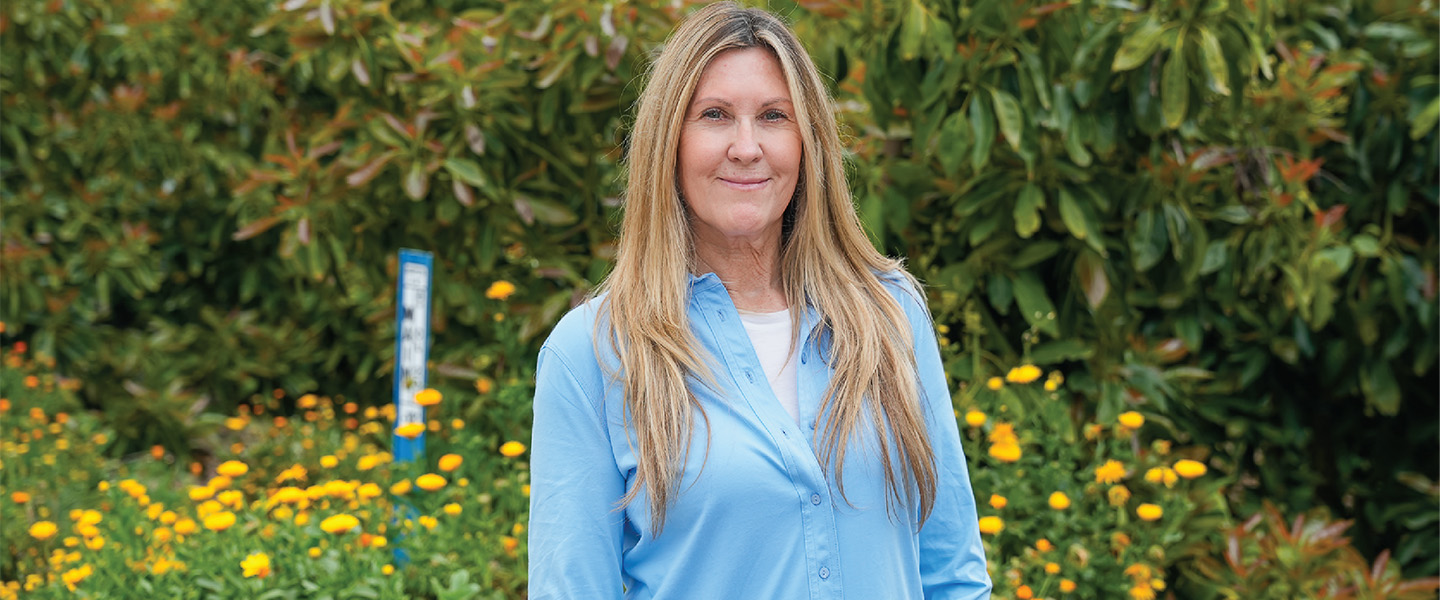
Pictured: Lisa Strickland, Food Safety Field Representative

Here’s the need-to-know details on random CDFA Produce Safety Rule Inspections happening now with California avocado growers and packers.

What’s happening?

  • CDFA is conducting Produce Safety Rule Inspections of California avocado ranches and packhouses to ensure compliance with FSMA (FDA Food Safety Modernization Act).
  • Inspections started in 2021 and we’ve continued to see inspections this season amongst our grower community.

How it works?

  • A CDFA auditor will contact you to set an inspection appointment within 30 days of the initial engagement (typically phone call, followed by email). 
  • Growers/Packers are given a 2-week window to make the inspection appointment.
  • If you are unable to meet the 2-week window, you are given one opportunity to push back the inspection timeline. 

What’s involved?

Auditors provide a series of website links that gives information about inspection process and criteria. Inspection areas include:

  • Harvest Crews – food safety training, sanitization (gloves, ladders, clips, etc.), activity records
  • Additional Documentation – fertilization records, pesticide records
  • Water Systems

What happens if I don’t pass?

  • To date we have not seen any operators fined or shutdown due to non-compliance or gross negligence.
  • What we have seen is growers failing a portion of the inspection and then must follow-up with CDFA post inspection to show corrective action and prove compliance.
  • Real-life example: A harvest crew was not sanitizing the steps of their ladders resulting in a non-compliance demerit. The rancher had to then document that a policy had been implemented to sanitize ladder steps to avoid a fine and pass inspection. 

What can I do to prepare and pass my inspection?

  • If you are GFS Certified, most likely you are in full compliance and have records that meet the CDFA Produce Safety Rule Inspection requirements.
  • If you are not GFS Certified let Index Fresh help you prepare for your inspection! Index Fresh will meet with you prior to your inspection to review records and inspection protocols. If timing works with your inspection appointment, Index Fresh’s Food Safety Field Representative, Lisa Strickland, will help facilitate the on-site inspection.