


Fall Leaf & Soil Testing for Healthy Avocado Crops
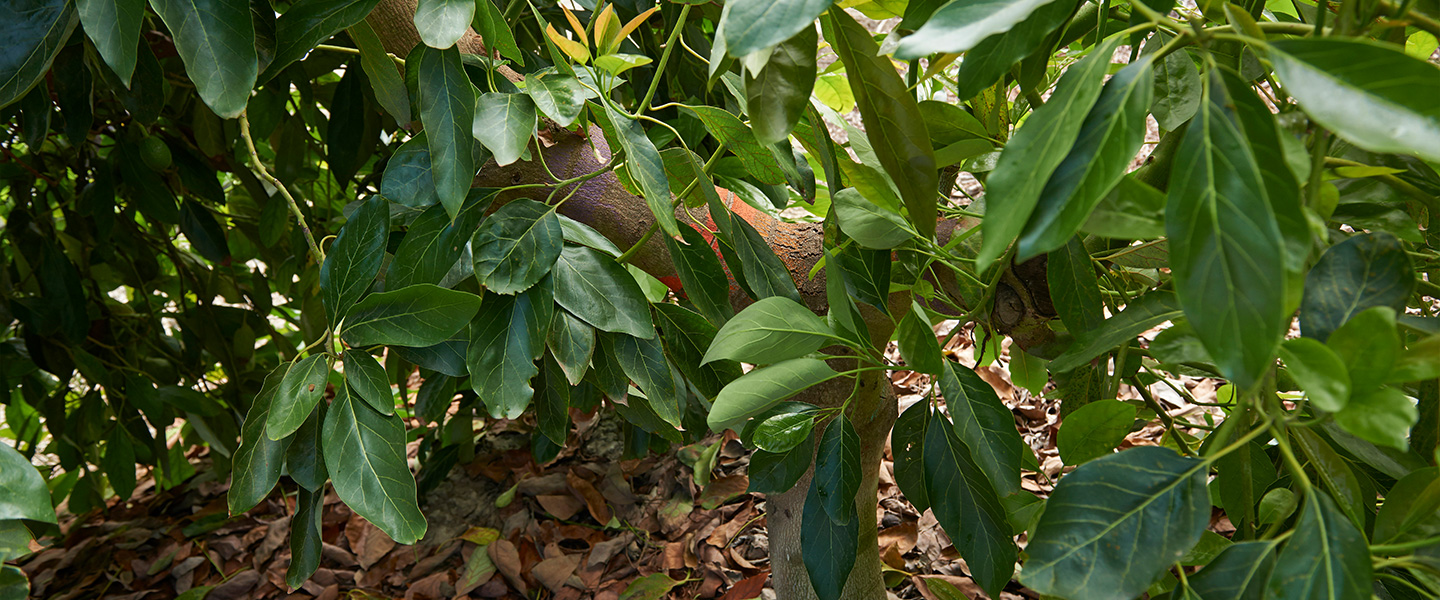
Leaf and soil analysis is a useful tool for developing a strategy for fertilizing your avocado orchard and identifying potential problems. Fall is widely accepted as the best time of year to collect soil and leaf samples for nutrient testing. Collecting both the soil and leaf samples at the same time not only provides ease but has the added benefit of ensuring soil samples are taken at the same time each year. Over time, this annual practice builds a soil fertility history which shows long-term trends.
For leaf analysis, collect the youngest fully expanded leaves (5-7 months old) from non-fruiting branches. For soil analysis, sample before planting and then every couple of years or when problems arise, keeping samples in paper bags to prevent contamination.
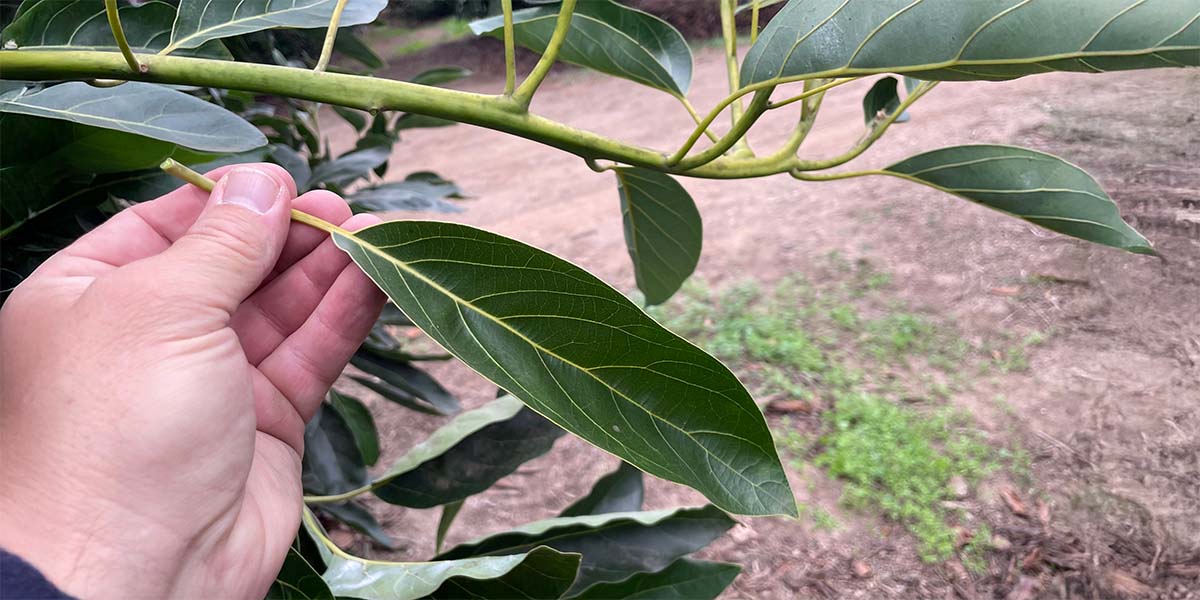
| When to collect | For this year’s extended season, California growers should collect leaves before the end of November. |
| What to collect | The youngest, fully expanded leaves from the spring flush (5–7 months old). |
| Where to collect | Sample from non-fruiting, non-flushing branches from different quadrants of the tree. |
| How to collect | • Select 40 leaves per sample from randomly chosen trees within the block. • Use a separate sample for a poorly performing block or one with a different soil type. • Place leaves in a paper bag (not plastic) to prevent moisture buildup and damage. • Store the bag in the refrigerator overnight if it cannot be taken to the lab immediately. • Submit samples to the lab as soon as possible after collection. |
Pro-Tip: Standardizing leaf age and season for leaf analysis samples is recommended due to the diverse stages avocado trees experience throughout the year.
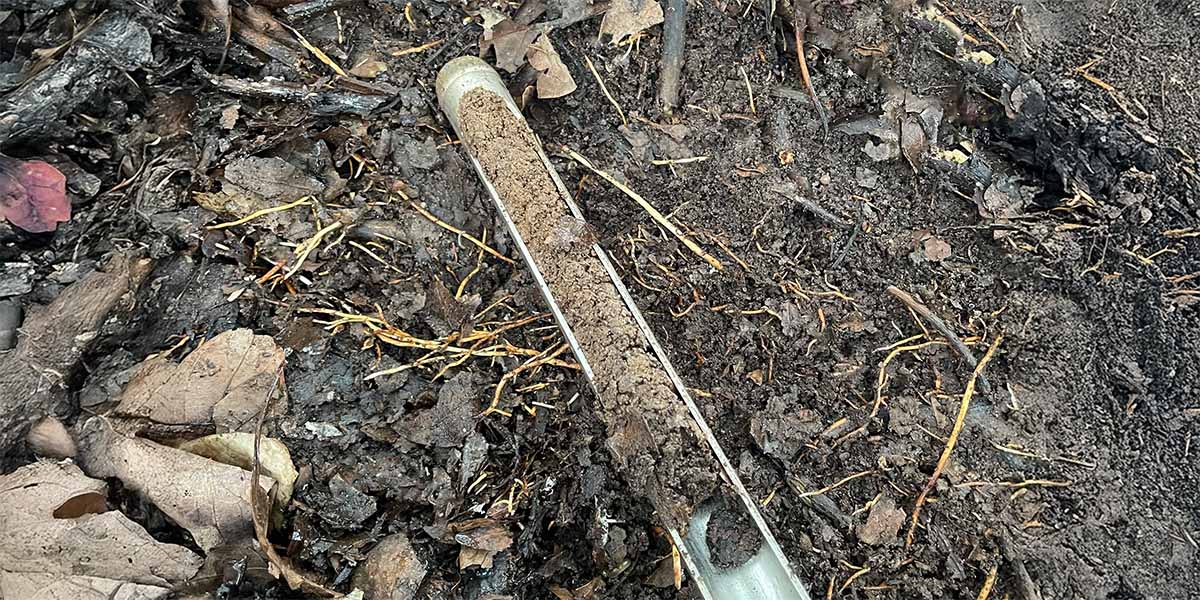
| When to collect | Before planting a new grove and at least every couple of years afterward. |
| Why to collect | It provides valuable information about fertility and toxicity levels that can be used alongside leaf analysis results. |
| How to collect | • Sample for a specific area or problem spot. • Place samples in a paper bag to prevent contamination. • Submit the sample to the lab for analysis. |
Tips for Both Analyses
Use for fertilization: Contact your Index Fresh’s Agronomist, Gerardo Aldunate, to help explain the lab results and guide your fertilization decisions for the upcoming season.
Identify problems: Analyses can help identify nutrient deficiencies or toxicities, such as excessive boron. Keep in mind that nutrient deficiency symptoms frequently are not due to inadequate nutrient levels in the soil. Routine application of nutrients simply because the foliage exhibits deficiency symptoms may make things worse by delaying you from finding the true cause of the unhealthy trees. You can increase the trees’ ability to absorb minerals by improving soil conditions and promoting root health.
Consider other factors: The lab report is a guide, but you should also consider other factors like the growing season, potential for higher or lower yields, or recent weather events when developing a fertility program.
Did you know?
If you are unsure about how to collect leaf and soil samples, Gerardo can help you with this step, as well as interpreting the results once back from the lab. Contact Gerardo at galdunate@indexfresh.com today to learn more about how to take advantage of these valuable tools before time runs out to test in 2025.

Gerardo Aldunate
Agronomist
galdunate@indexfresh.com